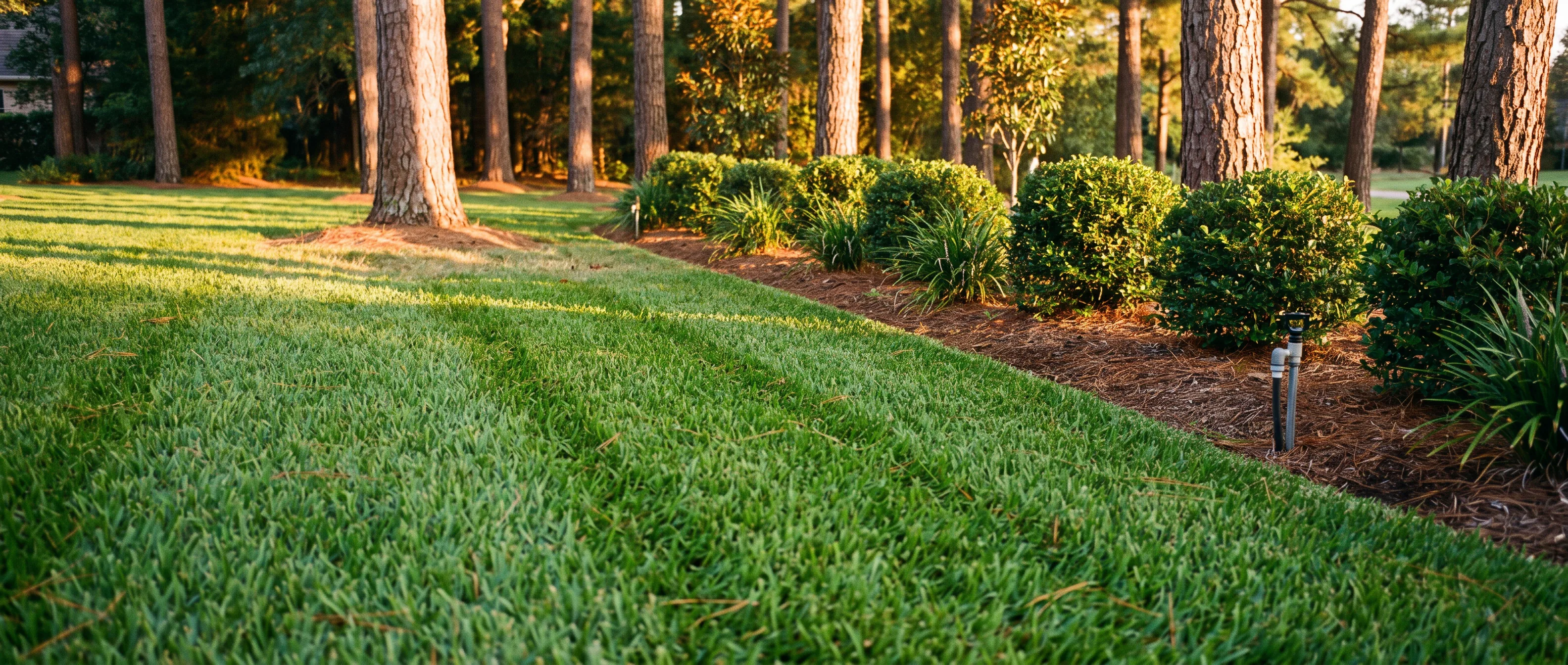

Lawn Care in Conroe and The Woodlands, TX
Mowing, fertilization, weed and pest control across The Woodlands, Spring and Conroe — timed to soil temperature rather than to a national schedule.
Lawn care in Montgomery County is a timing problem more than a product problem. Pre-emergent has to go down before soil temperature reaches about 55°F or crabgrass wins the season, fertilizer applied to dormant turf feeds weeds instead of grass, and the two most common summer problems — chinch bugs and brown patch fungus — need opposite treatments. Boone's works to soil temperature and diagnosis rather than to a fixed calendar.
St. Augustine is the dominant turf here and it has specific requirements: it needs about four hours of sun, it does not tolerate close mowing, and it is the preferred host of the insect most likely to kill it. What follows is the program, the pricing, and the honest answer about shade.
What we build
What's included in a lawn program?
Most properties take mowing plus a treatment program. The treatments are what change the lawn; the mowing keeps it presentable in between.
Mowing and edging
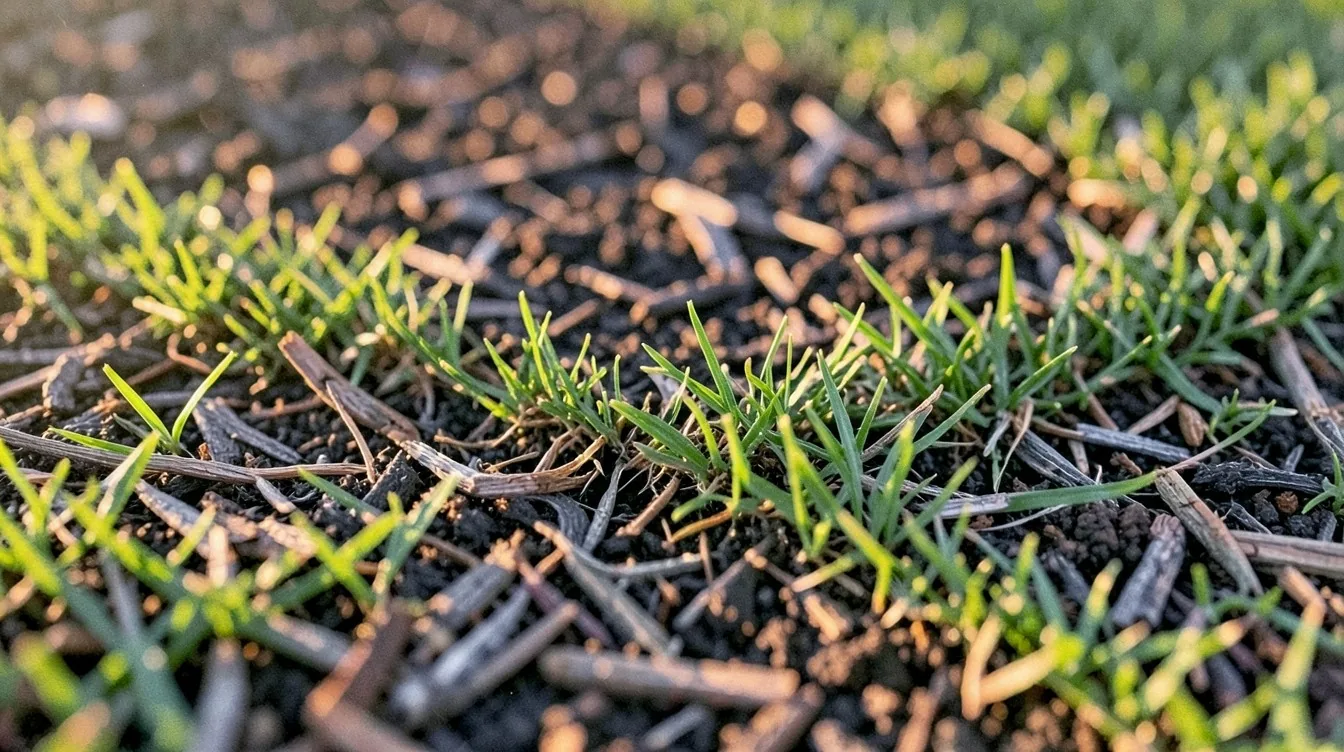
Cut at the right height for St. Augustine — three and a half to four inches, never scalped — with blades kept sharp, edges cut clean and clippings returned rather than bagged, because they are free nitrogen.
Fertilization program
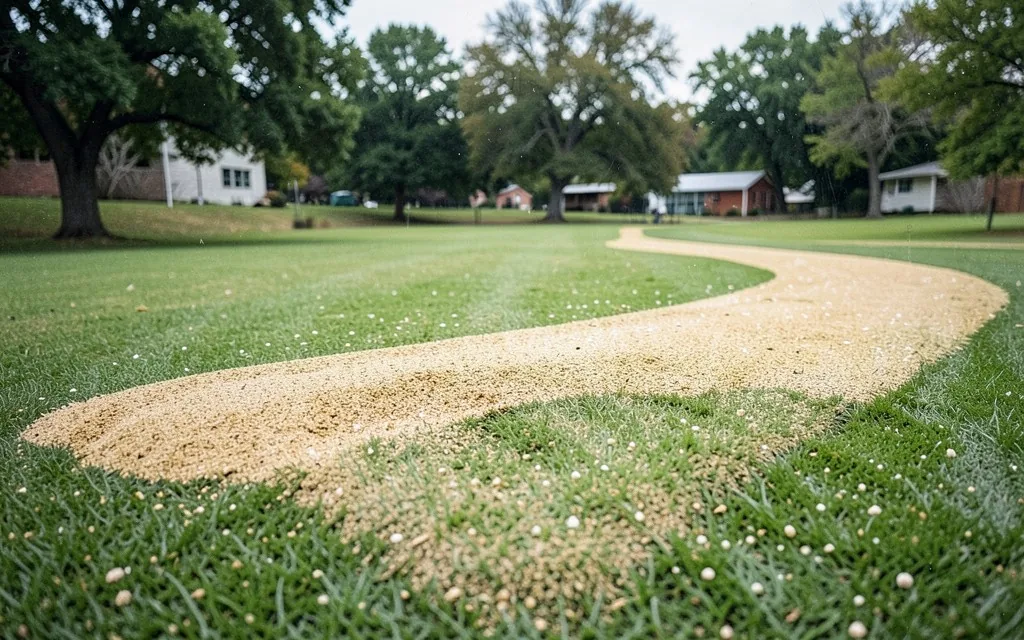
Applications timed to growth rather than to the calendar, with rates set for the turf type. Slow-release nitrogen in the growing season and potassium into fall to harden the grass off before winter.
Pre-emergent and weed control
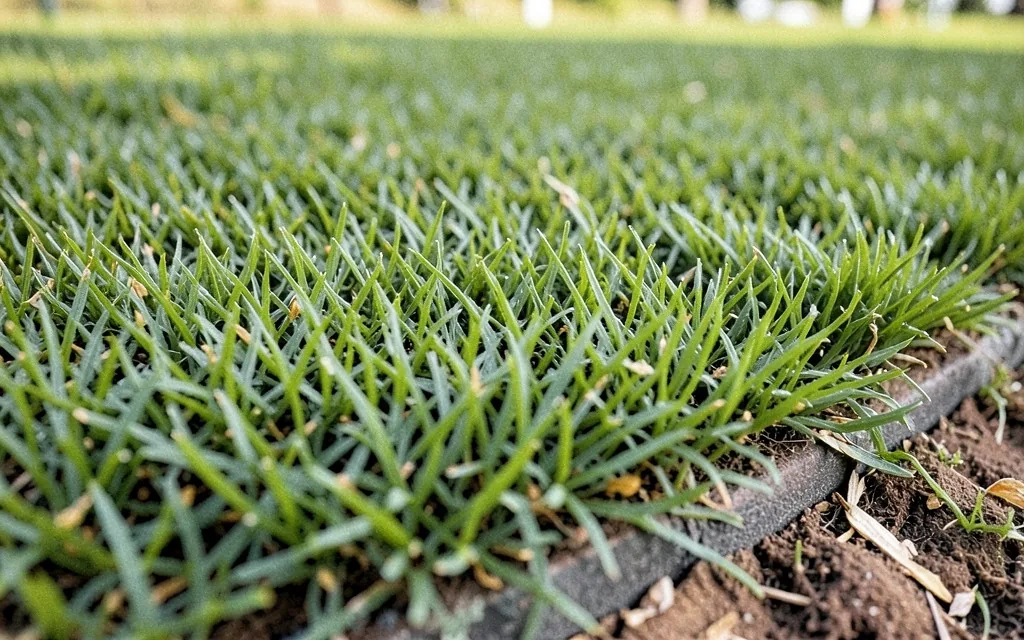
Pre-emergent laid before soil temperature reaches 55°F in late winter and again in early fall, with spot post-emergent treatment for what gets through. Timing is the whole game.
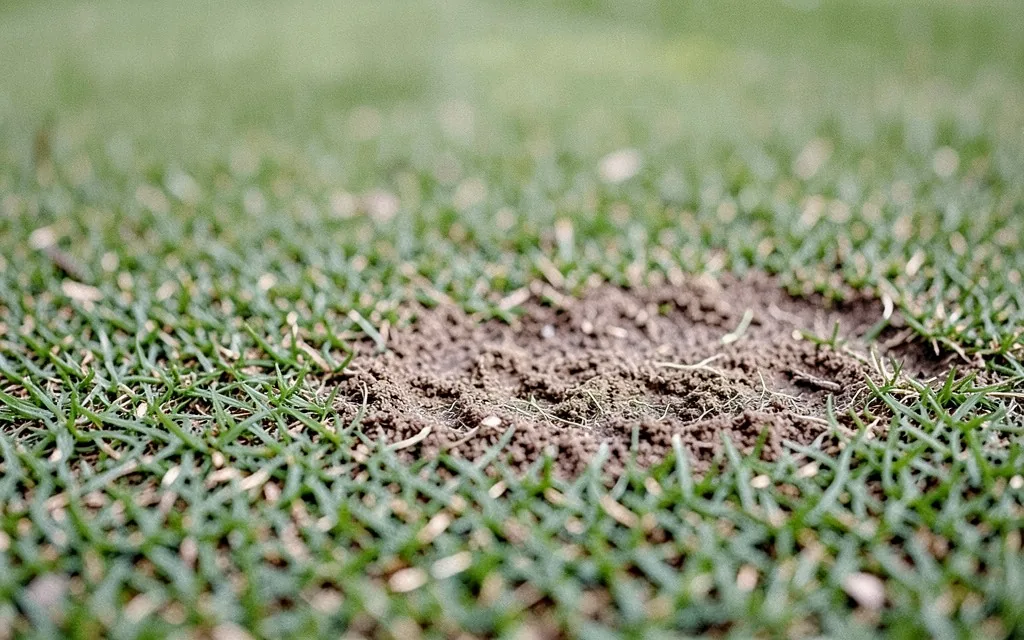
Insect and disease management
Chinch bugs and brown patch look similar from a window and need opposite treatments. We identify which before applying anything, because a fungicide on an insect problem wastes a season.
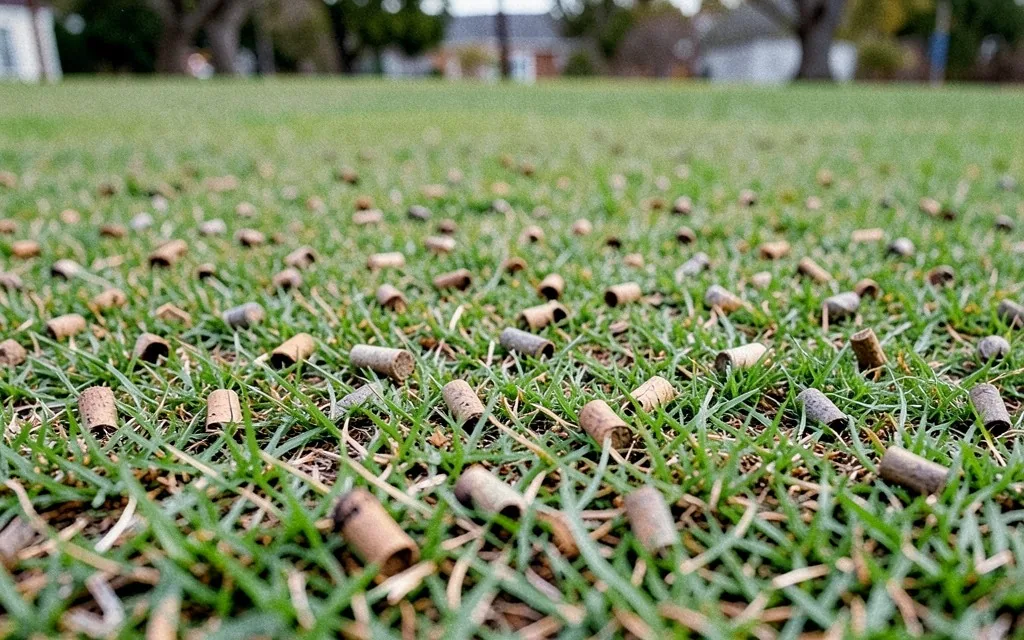
Aeration and topdressing
Core aeration to relieve compaction in heavy clay, followed by a light compost topdress. On Beaumont clay this does more for a struggling lawn than another bag of fertilizer will.
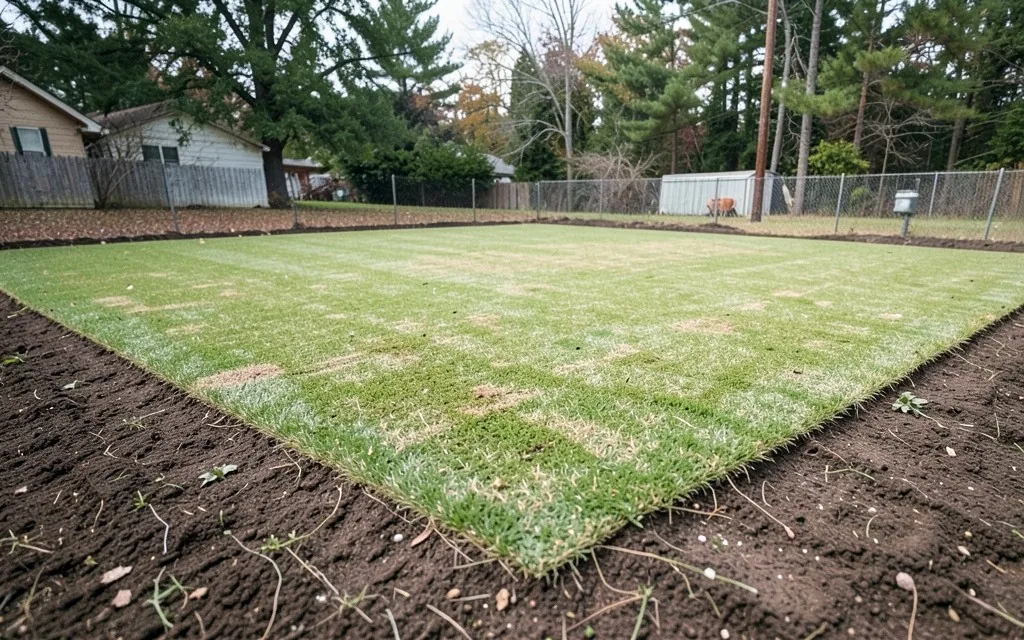
Sod installation and repair
Replacing areas that will not recover, or converting to a turf better suited to the light. Laid on prepared soil rather than on top of the problem that killed the last lot.
Local conditions
Why does St. Augustine struggle here?
Five problems account for most of the lawns we are called to look at, and two of them are commonly mistaken for each other.
Brown patches spreading in summer
CauseEither chinch bugs, which feed at the base of the blade in hot dry spots, or brown patch fungus, which spreads in humid conditions. They look similar and need opposite treatments.
FixWe identify which before applying anything — chinch damage pulls up easily and shows insects at the thatch line, fungal patches have a distinct margin. Treating the wrong one costs a season.
Grass thinning under the pines
CauseSt. Augustine needs roughly four hours of direct sun and loses to both shade and root competition. Under a mature loblolly canopy it will never be dense.
FixThe honest answer is usually to stop fighting it: shade-tolerant beds, a stepping path or decomposed granite outperform turf that dies every August and is resodded every spring.
Crabgrass taking over by May
CausePre-emergent applied too late. Once soil temperature passes about 55°F the seed has germinated and a pre-emergent barrier has nothing left to prevent.
FixWe track soil temperature rather than the calendar and apply in the window before it. It is the single highest-return treatment in the year and it is entirely about timing.
Water running off rather than soaking in
CauseBeaumont clay absorbs slowly and compacts under traffic. A long irrigation cycle sheds down the drive while the root zone stays dry.
FixCore aeration to open the surface, plus cycle-and-soak irrigation scheduling — several short cycles with soak intervals. Same water, most of it in the soil.
Weeds returning within weeks of treatment
CausePost-emergent spraying without a pre-emergent barrier underneath it. Killing what is visible does nothing about the seed bank waiting in the soil, so the lawn is treated repeatedly all season.
FixGet the two pre-emergent windows right — late winter and early fall — and post-emergent becomes occasional spot work rather than a monthly routine. It is cheaper and the lawn looks better.
Specification
How is a lawn program actually built?
On four principles that matter more than which brand of fertilizer goes down.
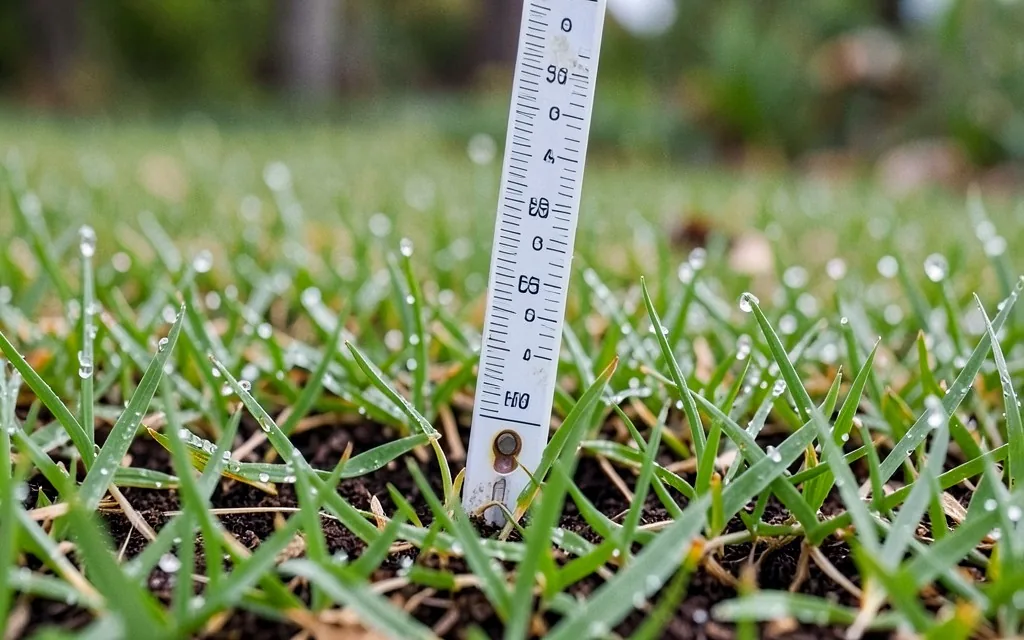
Soil temperature, not date
Pre-emergent timing is driven by soil temperature crossing roughly 55°F, which moves by several weeks year to year. A fixed-date program is right by accident about half the time.
Mowing height held high
Three and a half to four inches for St. Augustine. Taller grass shades out weed seed, roots deeper and tolerates drought better. Scalping is the most common self-inflicted lawn injury we see.
Diagnosis before product
Chinch bug and brown patch need opposite treatments, and applying the wrong one loses the season. We look at the thatch line before we open anything.
Aeration on clay
Compacted clay is a structural problem that fertilizer cannot solve. Core aeration and a compost topdress do more for a tired lawn here than any additional feed.
How it runs
A year on a Montgomery County lawn
The program is a calendar, and most of the value is in hitting two or three windows correctly.
- 01
Late winter — pre-emergent
Applied before soil temperature reaches about 55°F. Miss this window and you spend the rest of the year treating crabgrass instead of preventing it.
- 02
Spring — green-up feed
First fertilizer once the turf is actively growing rather than while it is still dormant. Feeding dormant grass feeds the weeds around it.
- 03
Late spring — aeration
Core aeration into the growing season so the turf recovers quickly, with a light compost topdress to work into the holes.
- 04
Summer — monitor and diagnose
Chinch bug and brown patch season. Weekly mowing at height, irrigation checked for coverage, and any patch identified before it is treated.
- 05
Early fall — second pre-emergent
The forgotten application. It prevents winter weeds that otherwise establish through the cool months and are visible all spring.
- 06
Late fall — potassium and clean-up
A potassium-weighted feed to harden the turf before winter, beds cut back, and leaves cleared off the grass so it does not go into dormancy smothered.
What it costs
What does lawn care cost in The Woodlands?
Ranges for a typical Montgomery County lot. Lot size and how much bed edge there is are the two drivers.
Mowing and edging $50 – $85
Weekly through the growing season, biweekly in the cooler months. Includes mowing at the correct height, edging beds and hard edges, and blowing down.
Larger lot mowing $60 – $100
Larger properties or those with extensive bed edge and obstacles. Priced on the actual route rather than on a headline square footage.
Fertilization and weed program $350 – $600
A full year of timed applications: two pre-emergents, seasonal feeds and spot weed control, applied to soil temperature rather than to a fixed date.
Aeration, treatments and repairs $50 – $400
Core aeration, topdressing, targeted insect or fungal treatment, or patch sodding. Priced per visit depending on area and what the diagnosis calls for.
Rates reviewed 2026-09-03. Every project is priced in writing after a site visit; these bands are what recent work has landed in, not a quote.
Recent work
Recent lawn work
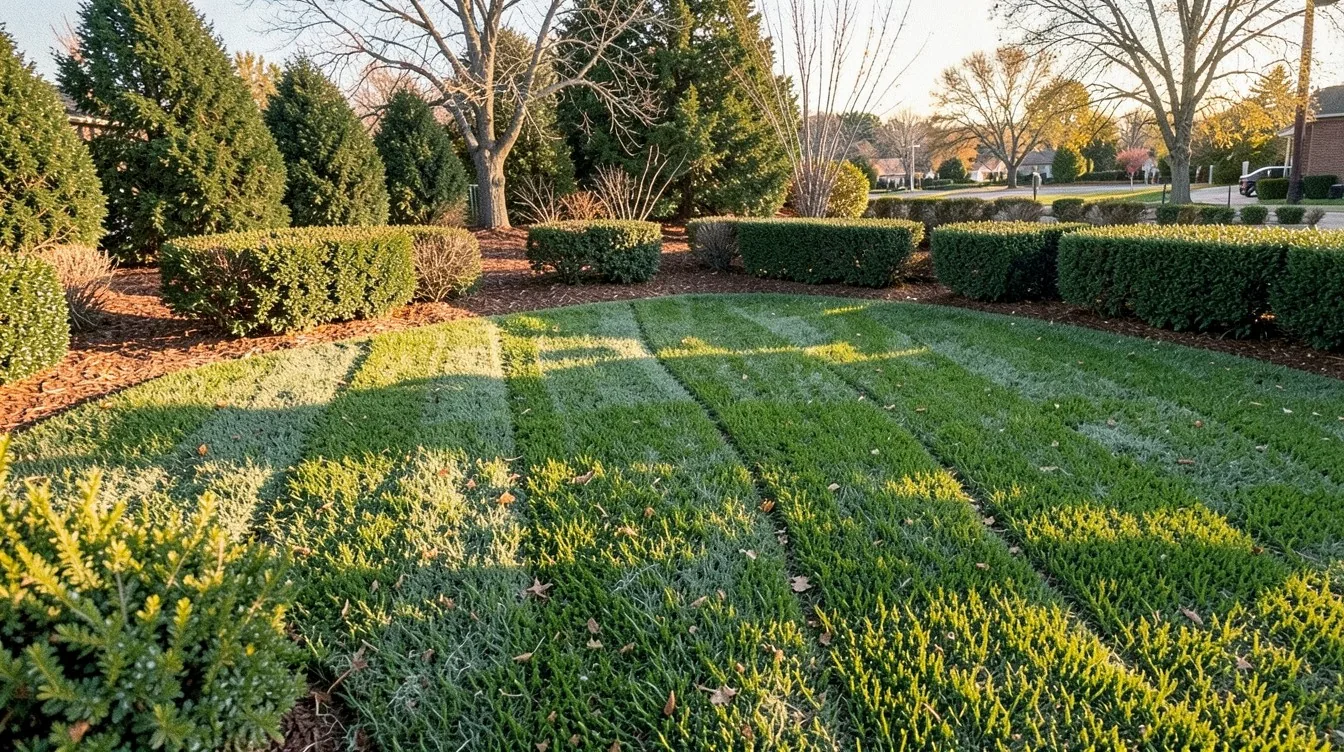
Lawn care in The Woodlands
A thinning front lawn brought back with aeration, corrected mowing height and properly timed pre-emergent rather than additional feed.
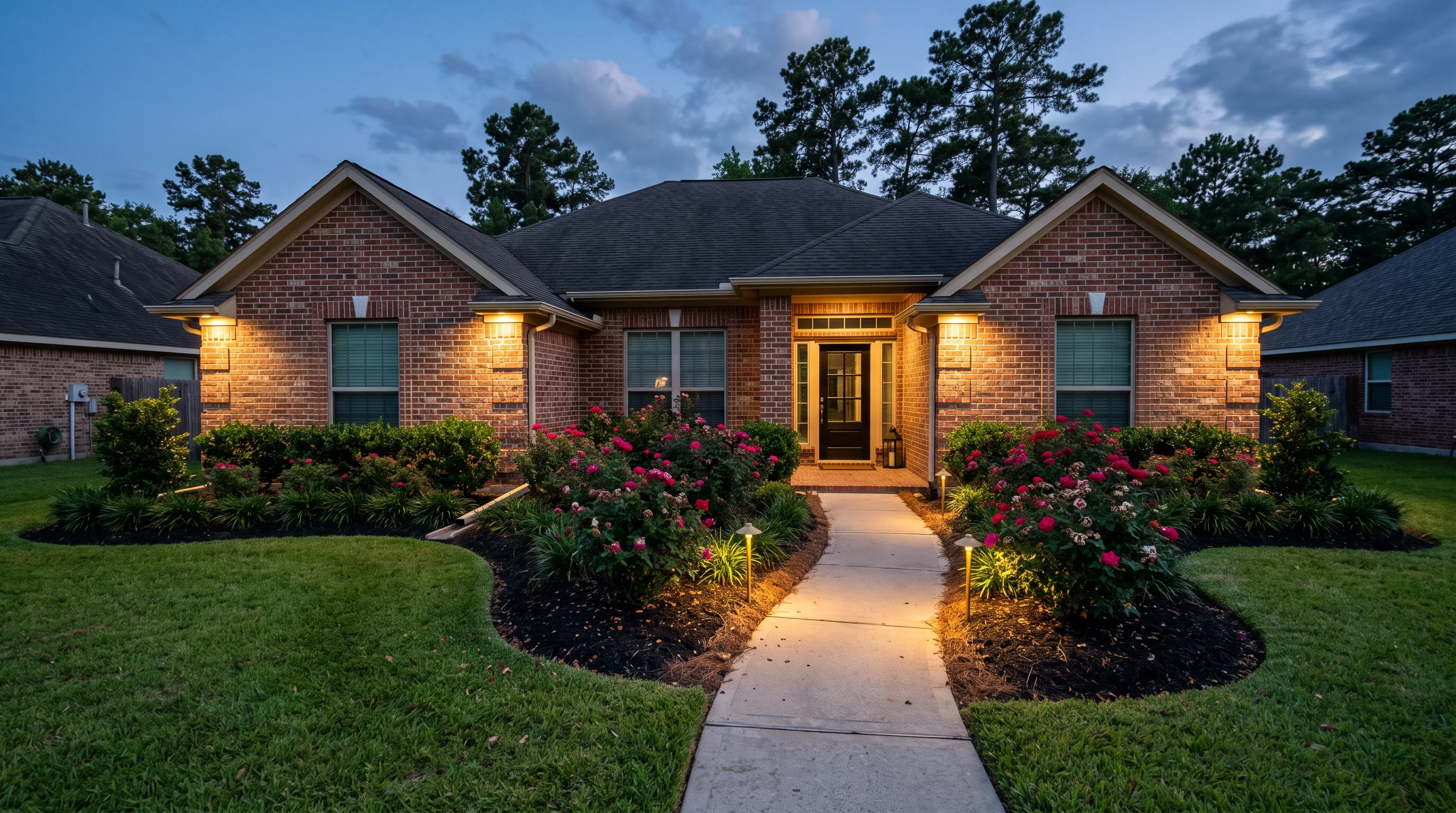
Lawn care in Spring
Program lawn alongside renewed planting beds, with irrigation zones separated so the turf and the beds stopped sharing a schedule.
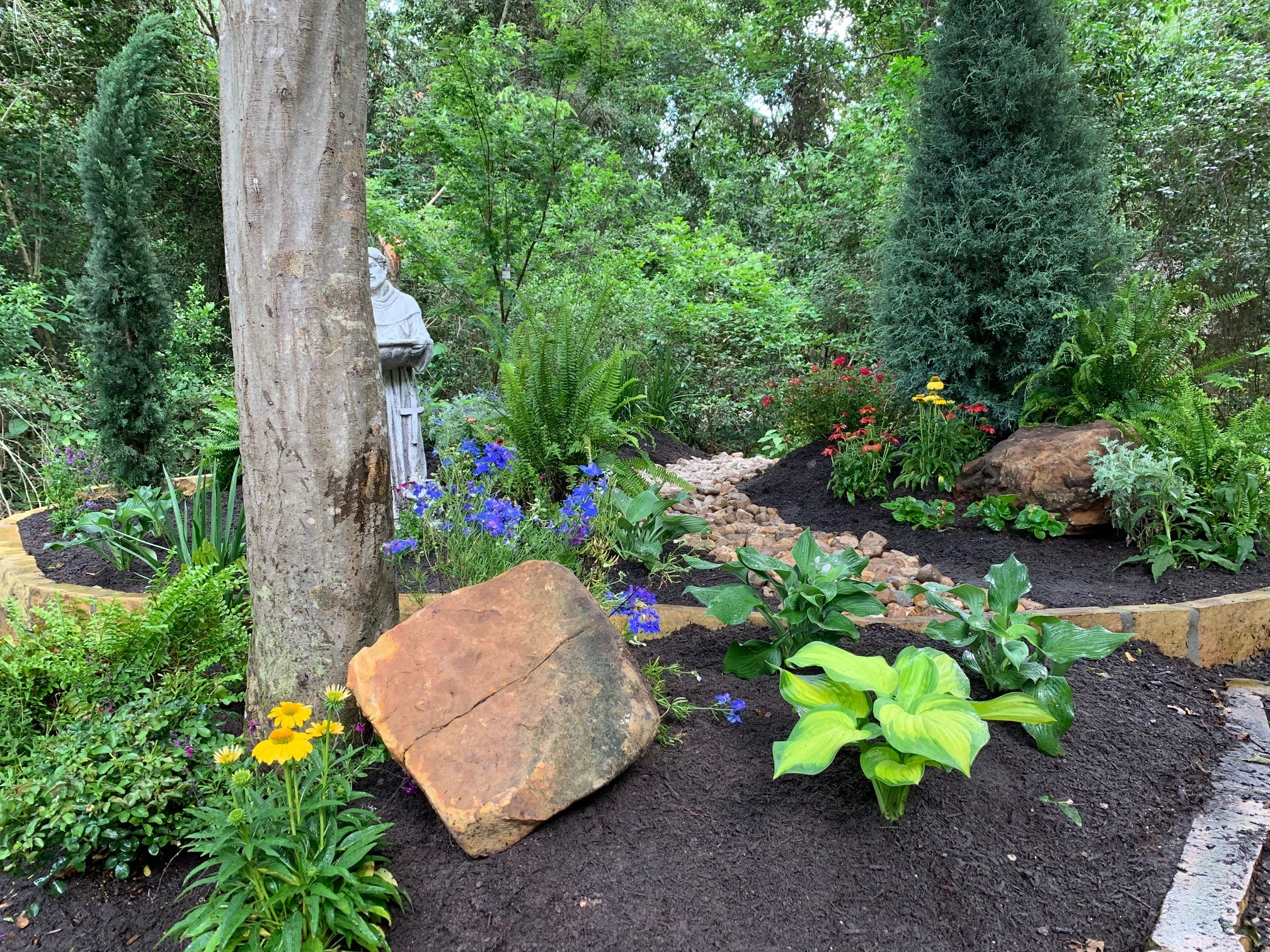
Lawn care in Conroe
Turf under a pine canopy replaced with shade planting and a stepping path — the honest answer after three seasons of resodding the same area.
Why homeowners choose us
What makes our lawn program different from a mow-and-blow crew?
- 01
Timed to soil temperature
Pre-emergent goes down on the reading, not the date. It is the highest-return decision in the lawn year.
- 02
Diagnosis before treatment
Chinch bug and brown patch need opposite products. We identify which before anything is applied.
- 03
The mowing visit is also a scout
The same crew that cuts the grass watches the thatch line, the irrigation coverage and the bed edges. Most fixes in this program start as something a mowing tech flagged, not a separate service call.
- 04
Aeration on clay
Compaction is a structural problem. Core aeration and topdressing do more here than another bag of fertilizer.
- 05
We will tell you to stop
Where turf cannot win — deep shade, root competition — we say so and propose beds or a path instead of selling annual resodding.
- 06
Workmanship guarantee
If our installation is the reason something failed, we put it right. Damage and neglect are quoted separately. — against one year on labor from most local firms.
Questions
Lawn care in Montgomery County — frequently asked
How much does lawn care cost in The Woodlands?
Mowing and edging runs $50–$85 a visit on a typical lot and $60–$100 on larger properties or those with extensive bed edge. A full year of fertilization and weed control is $350–$600. One-off work such as aeration, targeted treatments or patch sodding runs $50–$400 depending on area. Lot size and bed edge length drive the mowing price more than square footage alone.
How often should I fertilize a lawn in Texas?
Three to four times a year for St. Augustine here, timed to growth rather than to a fixed schedule. A spring feed once the turf is actively growing, one or two through the growing season, and a potassium-weighted application in late fall to harden it before winter. Feeding while the grass is still dormant does very little for the turf and a great deal for the weeds.
When should pre-emergent go down?
Before soil temperature reaches about 55°F, which in Montgomery County is typically late February but moves by several weeks depending on the year. That is why we track the reading rather than the date. A second application in early fall prevents the winter weeds that otherwise establish unnoticed and are obvious across the whole lawn by March.
What causes brown patches in St. Augustine?
Usually chinch bugs or brown patch fungus, and they need opposite treatments. Chinch damage appears in hot, dry, sunny areas and the turf pulls up easily with insects visible at the thatch line. Brown patch is a fungal problem that spreads in humid conditions and shows a distinct circular margin. Applying a fungicide to an insect problem wastes both the product and the season, so we identify it first.
Does aeration actually help?
On Beaumont clay, more than almost anything else. Clay compacts under foot and mower traffic, and compacted soil means water runs off, roots stay shallow and fertilizer sits on the surface. Core aeration physically opens the profile and a light compost topdress works into the holes. For a tired lawn here it consistently outperforms an additional feed.
Do you offer organic lawn care?
Yes, and it works well here with realistic expectations. Compost topdressing, organic slow-release nitrogen and cultural practice — correct mowing height, aeration, proper irrigation — will produce a healthy lawn. What organic programs do less well is rescue a badly infested lawn quickly, so we are honest about using a targeted conventional treatment to reset a serious chinch or fungal problem before moving to an organic maintenance program.
How short should St. Augustine be cut?
Three and a half to four inches, and never more than a third of the blade removed in one cut. St. Augustine is a spreading grass that does not tolerate close mowing, and scalping it is the most common self-inflicted damage we see. Taller grass also shades out germinating weed seed and roots deeper, which matters in an August drought.
Can grass grow under my pine trees?
Rarely, and it is worth saying plainly. St. Augustine needs about four hours of direct sun and loses to both shade and root competition, so under a mature loblolly canopy it will thin every summer no matter what is applied. Shade-tolerant planting beds, a stepping path or decomposed granite give a better result for less money than resodding the same patch annually.
How much should I water the lawn?
About an inch a week in the growing season, delivered in a few deep cycles rather than daily light watering, and on clay it needs cycle-and-soak scheduling — several short bursts with soak intervals so it absorbs rather than runs off. Under Lone Star Groundwater Conservation District restrictions the same total can usually be delivered inside the permitted days if the system is programmed for it.
Do you bag the clippings?
Not normally, and that is deliberate. Returned clippings are free nitrogen and break down quickly at the correct mowing height, which reduces how much fertilizer the lawn needs. We bag when the grass is too long after a wet spell, when there is active fungal disease we do not want spread, or when you would simply rather we did.
When should you stop fertilizing St. Augustine in the fall?
Stop nitrogen by early October in Montgomery County. Late feeding pushes soft growth that has not hardened off before the first freeze, and that soft tissue is exactly what brown patch colonizes. A potassium-only application in late September is the useful exception: it supports root reserves through winter without forcing top growth that will not survive it.
Where we work
Do you offer lawn care outside The Woodlands and Conroe?
Yes — core service area is Montgomery County, with regular routes through The Woodlands, Spring and Conroe. We take maintenance work across North Houston into Harris and Walker County where the route makes sense — and will say honestly when it does not.
Often specified alongside: lawn maintenance, sod installation, pest control, irrigation, xeriscaping, landscape design.