
Maintenance programmes
Decide the frequency, and the rest of the contract follows
Weekly and bi-weekly grounds programmes for businesses, HOAs and property managers across The Woodlands, Spring and Conroe — with monthly photo reports and flexible scheduling.
Almost every argument about a grounds contract is really an argument about frequency. Weekly service through the March-to-October growing season keeps a commercial property inside the one-third mowing rule and looking consistently maintained; bi-weekly saves money and shows visibly in June. Deciding that first — and writing it down area by area — is what makes the rest of the contract straightforward. Most programmes here run $2,500 to $6,000 a month.
Below: what programmes cost at each level, what weekly buys that bi-weekly does not, what the monthly report contains, and how switching provider actually works.
What we build
What a programme includes
Six components. Each is set to a stated frequency rather than described as ongoing.
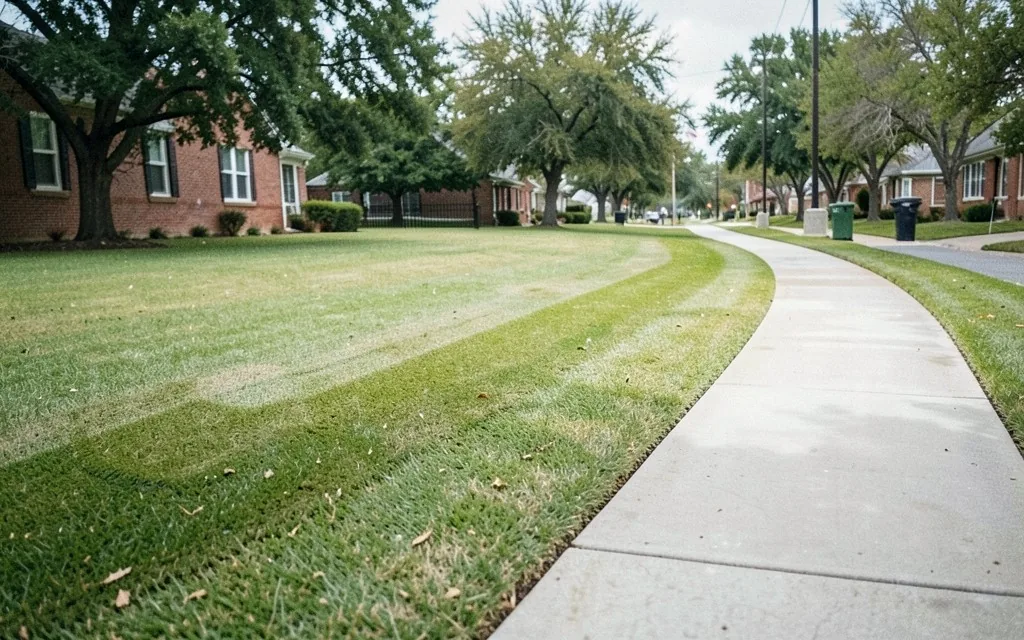
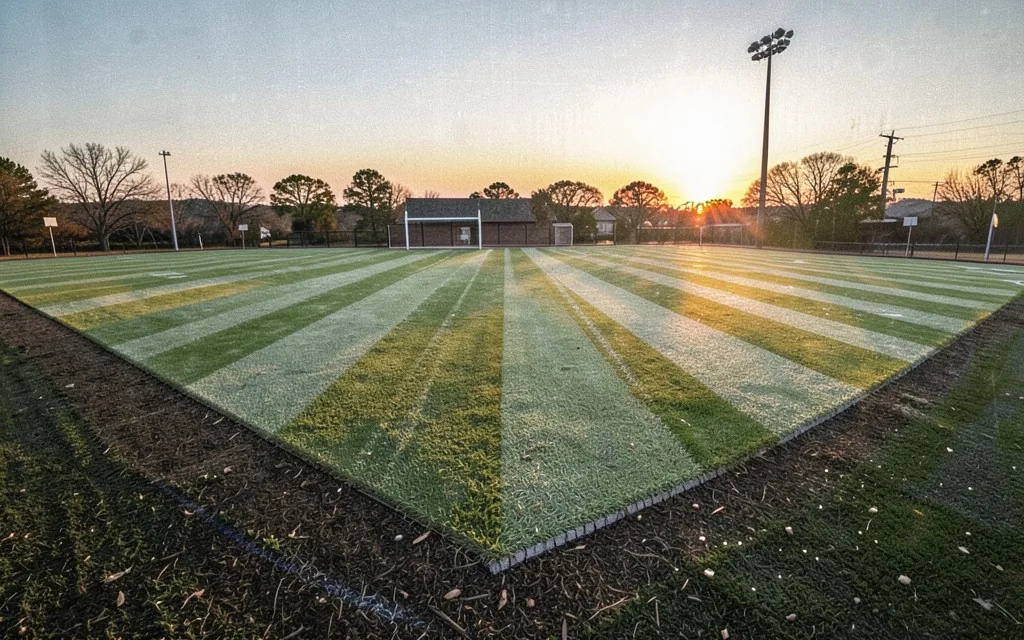
Mowing and edging
Weekly through the growing season, bi-weekly or as needed in winter, with hard edges and blow-down of every hard surface before the crew leaves.
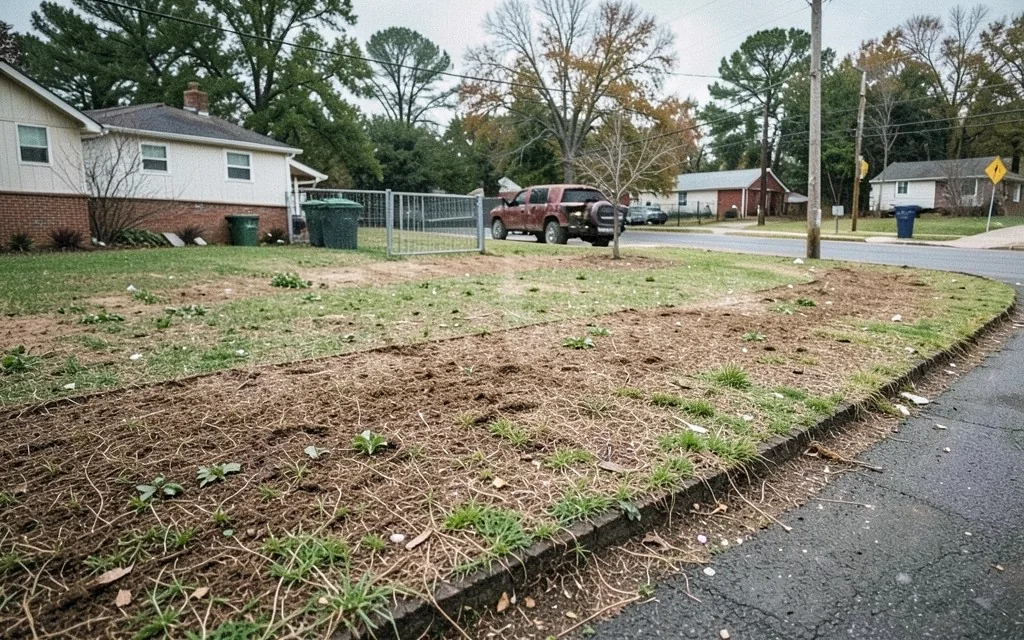
Bed maintenance cycle
Weeding, edging and shrub trimming on a stated cycle, with mulch refresh twice yearly — scheduled rather than triggered by someone noticing.
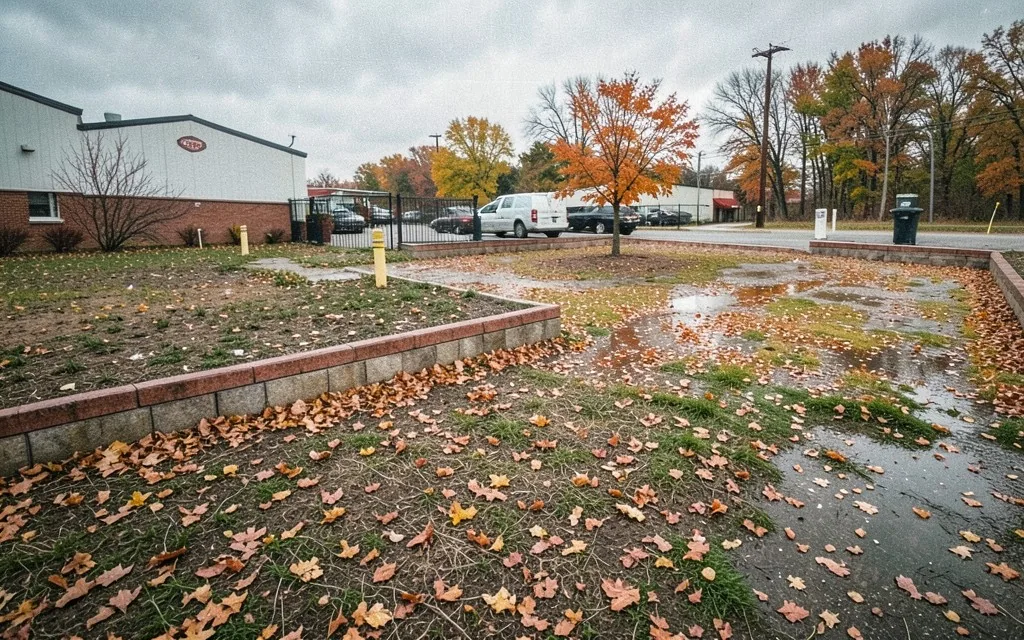
Seasonal programme
Leaf clearance in autumn, hard cut-back in late winter, spring bed preparation and summer height adjustment. The calendar is agreed at contract start.
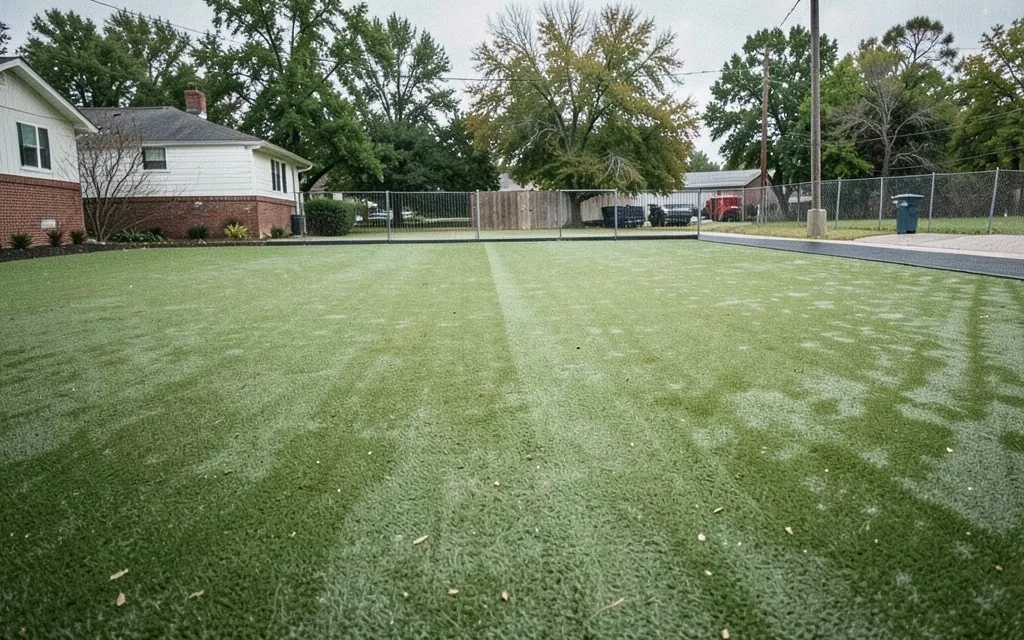
Fertilisation and turf health
A feeding and weed-control programme timed to the season rather than to visits, with pre-emergent applied in the window where it actually works.
Monthly photo reporting
Dated photographs by area, work completed, issues found and recommendations, delivered on a fixed date each month.
Flexible scheduling
After-hours and early service where the operation needs it, on a fixed day so the pattern is predictable for staff, tenants and deliveries.
Local conditions
How do you set the right service frequency?
Five decisions. Get these right at the start and the contract mostly runs itself.
Bi-weekly through peak growth
CauseA fortnightly schedule held through May and June to save money. Texas turf outgrows the one-third rule in that window, so every cut is a scalping and the property looks worse two days after service than before it.
FixWeekly March through October, bi-weekly November through February. It is the same annual visit count as some flat schedules, just distributed where the growth actually is.
One frequency for the whole property
CauseA single cadence applied to the entrance, the back lot and the screening beds alike. The visible areas are under-served and the invisible ones are over-served, and the contract costs more than it needs to.
FixFrequency set by area. Entrance and pedestrian routes on the highest cadence, back-of-house and perimeter on a lower one, with the split written into the contract.
Reporting nobody reads
CauseA dense service log emailed weekly. It gets filed unread, and when a question arrives about what was done six weeks ago nobody wants to search through twenty documents.
FixOne monthly report on a fixed date: dated photographs by area, work completed, issues found, recommendations. Short enough to read, specific enough to forward.
Enhancement bundled into the monthly figure
CauseSeasonal colour and improvement work absorbed into maintenance. The line stops being comparable year on year, and nobody can tell whether the base service is good value.
FixMaintenance and enhancement kept separate, so the recurring figure stays comparable and improvement work can be approved on its own merits.
Nothing written about what happens if it slips
CauseA contract that describes the work but not the remedy. When standards drop there is no agreed process, so the conversation becomes adversarial at exactly the wrong moment.
FixA stated response window for issues raised, and a documented route to escalate. It is rarely used, and having it changes how the first difficult conversation goes.
Specification
Weekly against bi-weekly
Six honest differences, so the decision is made on information rather than on price alone.
Turf health
Weekly keeps cuts inside the one-third rule through peak growth. Bi-weekly in May and June means removing more than a third each time, which stresses the turf and thins it over a season.
Appearance between visits
A weekly property never looks more than a few days from its best. A bi-weekly one looks excellent for four days and increasingly shaggy for the following ten.
Clipping volume
Longer growth means heavier clippings that clump and smother rather than mulching back in. On a bi-weekly schedule bagging is more often necessary, which adds cost back.
Bed and weed control
Weeds are pulled small on a weekly cadence. On a fortnightly one they seed between visits, which is why bi-weekly bed maintenance costs more in labour than the interval suggests.
Cost per visit
Weekly usually prices better per visit than bi-weekly, because the work is lighter and the route more efficient. The monthly figure is higher; the value per dollar generally is not worse.
Where bi-weekly genuinely fits
Low-visibility perimeters, industrial sites, winter across the whole property, and properties with little turf and mostly hardscape or established beds.
How it runs
Scope, schedule, service, report
Everything contentious about a grounds contract is decided in the first two steps.
- 01
Walk and zone the property
Areas identified and grouped by visibility and use, so frequency can be set where it earns its money rather than uniformly.
- 02
Agree frequencies in writing
A stated cadence per area and a seasonal calendar, so the contract describes something measurable rather than ongoing maintenance.
- 03
Set the service window
A fixed day, with after-hours or early service where the operation needs it, and access arranged once rather than per visit.
- 04
Assign a dedicated crew
The same team each visit, so the property is known — where the heads are, which gate, which areas hold water, what the edges should look like.
- 05
Service to the calendar
Routine work to the agreed cadence, seasonal work on the dates set at the start rather than whenever a crew has capacity.
- 06
Report on a fixed date
One monthly report with dated photographs by area, issues found and recommendations, delivered the same date each month.
What it costs
What does a maintenance programme cost?
Monthly ranges. Frequency and how much of the property sits on the high-visibility cadence drive the figure more than total acreage.
Small property programme $800 – $2,500 / month
A single site with limited turf and beds, on a weekly growing-season cadence with monthly reporting.
Standard programme $2,500 – $6,000 / month
The band most commercial programmes land in — full grounds on mixed frequencies by area, seasonal calendar and turf health programme included.
Large or multi-site programme $6,000 – $20,000+ / month
Extensive grounds or several properties on one programme, with after-hours service and a named account contact.
Recent work
Typical programme work
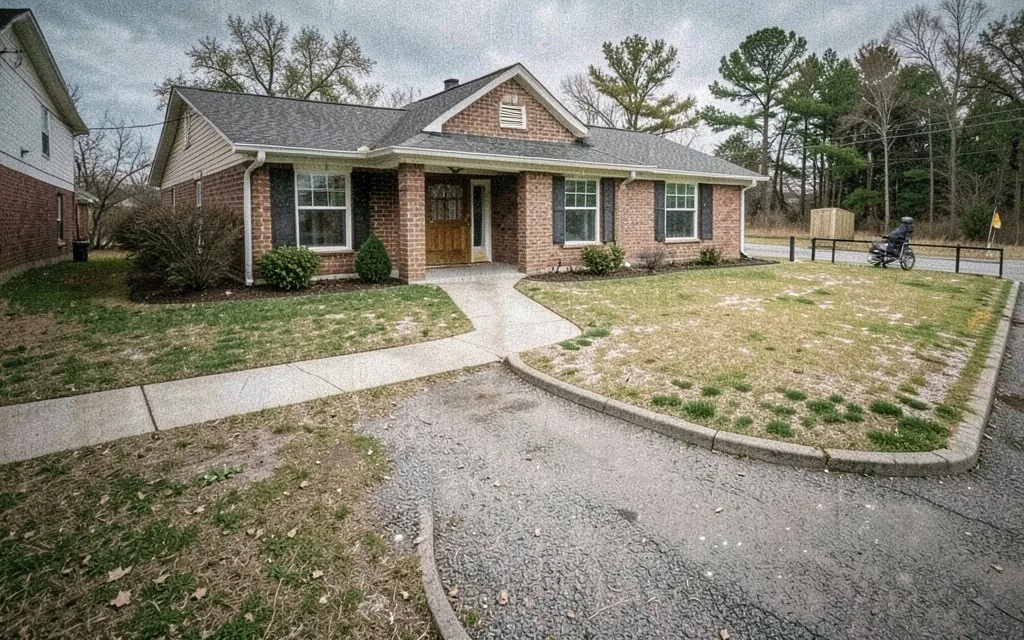
The Woodlands
Property zoned by visibility — entrance and pedestrian routes weekly, perimeter and back-of-house bi-weekly.
Spring
Reporting consolidated from weekly logs into one dated monthly photo report the manager could forward unedited.
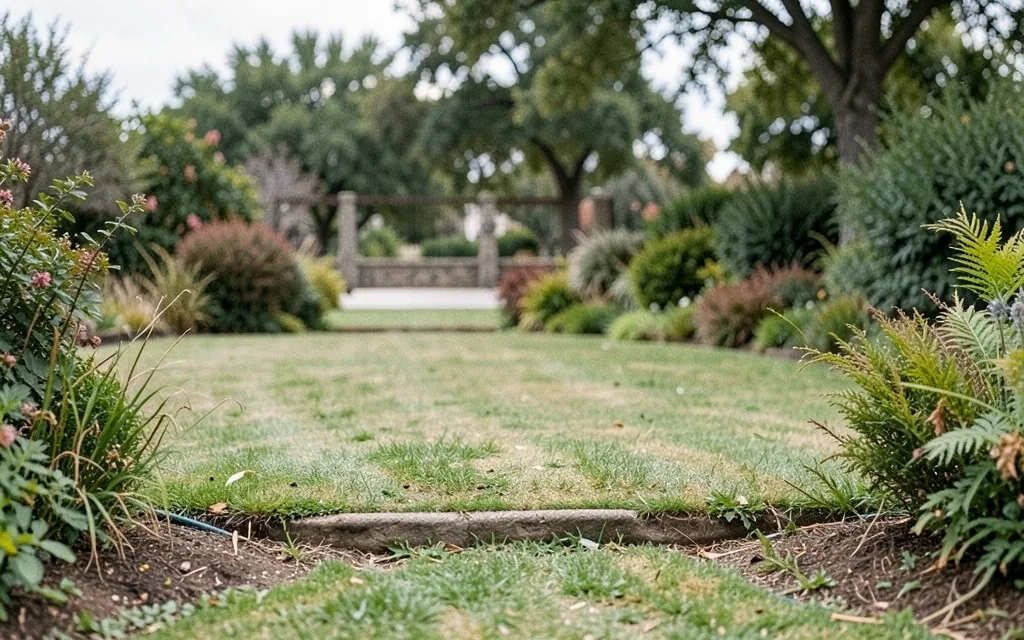
Conroe
Takeover from a previous contractor, starting with a written and photographed condition baseline before the first visit.
Why homeowners choose us
Why property managers choose our programmes
- 01
Frequency set by area
High-visibility areas on the high cadence, back-of-house on a lower one. Uniform frequency over-serves and under-serves at the same time.
- 02
Weekly where it matters
March to October, so cuts stay inside the one-third rule and the property never looks more than days from its best.
- 03
One report, fixed date
Dated photographs by area, short enough to read and specific enough to forward. Weekly logs get filed unread.
- 04
Enhancement kept separate
The recurring figure stays comparable year on year, and improvement work is approved on its own merits.
- 05
The same crew every visit
A dedicated team that knows the property — the heads, the gates, the wet areas, what the edges should look like.
- 06
A written remedy
A stated response window and escalation route. Rarely used, and it changes how the first difficult conversation goes.
Questions
Maintenance programmes — frequently asked
How much does commercial landscape maintenance cost in The Woodlands?
Small property programmes run $800 to $2,500 a month. Most commercial programmes land at $2,500 to $6,000, covering full grounds on mixed frequencies by area with a seasonal calendar and turf health programme. Large properties and multi-site programmes run $6,000 to $20,000 and up. Frequency and how much of the property sits on the high-visibility cadence drive the figure more than total acreage does.
What is included in commercial landscape maintenance?
Mowing, edging and blow-down of hard surfaces; bed weeding, edging and shrub trimming on a stated cycle; mulch refresh twice yearly; a seasonal calendar covering autumn clearance, late-winter cut-back and spring preparation; a fertilisation and weed-control programme; irrigation monitoring; and a monthly photo report. Each element is set to a stated frequency rather than described as ongoing.
How often will you service our property?
Weekly through the growing season, March to October, and bi-weekly or as needed November to February. That is not a preference — Texas turf outgrows the one-third mowing rule inside a fortnight in May and June, so a bi-weekly cut in peak growth is a scalping. We also set frequency by area, so entrance and pedestrian routes can run weekly while perimeter and back-of-house areas run less often.
Can you service our property outside of business hours?
Yes, and we schedule it as part of the contract rather than arranging it visit by visit. Early morning, evening or a low-traffic day, with access — gates, codes, alarms — sorted once so no visit depends on someone being available. Once set, the day stays fixed, which matters as much as the timing: staff, tenants and deliveries can all plan around a pattern they know.
Do you provide service reports and documentation?
One report a month, delivered on a fixed date, with dated photographs by area, work completed, issues found and recommendations. We deliberately do not send a weekly log — those get filed unread, and when a question arrives about six weeks ago nobody wants to search through twenty documents. The monthly report is short enough to read and specific enough to forward without editing.
Is weekly service worth the extra over bi-weekly?
Through the growing season, generally yes, and the reason is turf health rather than tidiness. Removing more than a third of the blade stresses the plant, and a fortnightly cut in May takes far more than that. Weekly also keeps weeds pulled small and clippings light enough to mulch back in. Bi-weekly genuinely fits low-visibility perimeters, industrial sites, winter, and properties that are mostly hardscape.
What happens if we are not satisfied with the service?
Raise it and it gets fixed inside a stated response window, with an escalation route if it does not. Most dissatisfaction traces to one of three things: an area that has quietly dropped in frequency, expectations that were never written down clearly, or reporting that does not let anyone see what happened. All three are addressable, and having the remedy written down changes how the first difficult conversation goes.
Can you take over from our current landscaping company?
Yes, and it is routine. We walk the property before the first visit and record its actual condition in writing and in photographs, so there is a baseline nobody can argue about later. The first month often includes catch-up work a departing contractor has let slip — we identify that during the walk and price it openly rather than presenting it as a surprise once the contract has started.
Do you offer annual contracts or month-to-month service?
Both, and annual usually prices better. Grounds work is strongly seasonal, and a twelve-month term lets us average heavy and light periods into one predictable monthly figure. Month-to-month arrangements are possible and generally cost slightly more, because the seasonal peaks cannot be spread. We would rather earn a renewal than enforce a term either way.
Is fertilisation included in the programme?
A turf health programme is included as a scheduled element with its own calendar, because timing is what makes it work. Pre-emergent applied outside its window does nothing at all, and feeding is set to the season rather than to whichever visit happens to be next. Disease and pest treatment beyond routine care is quoted separately, since it depends on diagnosis rather than a schedule.
Can seasonal colour be part of the programme?
It can be scheduled within the programme but we quote it as a separate line, deliberately. Keeping enhancement out of the recurring figure means the maintenance cost stays comparable year on year, and colour rotations can be approved, expanded or paused on their own merits without anyone renegotiating the base contract to do it.
Who do we deal with day to day?
A dedicated crew on a fixed route day, and a named account contact for anything beyond routine. The crew consistency matters more than people expect — a team that services the property every week learns where the irrigation heads are, which gate is used, which areas hold water after rain and what the bed edges are supposed to look like. That knowledge is lost entirely when crews rotate.
Can the service frequency change part-way through a contract?
Yes, and it should. Growth here is not linear across the year: turf needs weekly attention from April to October and roughly half that through winter, while beds want the opposite pattern around leaf drop. A programme fixed at one frequency either overspends in January or underserves in June. The schedule is written by season and reviewed at the turn of each one.
Where we work
Maintenance programmes across North Houston
We run commercial grounds programmes across Montgomery County and North Houston — The Woodlands, Spring, Conroe, Magnolia, Tomball, Willis and Montgomery. Routes are geographic, which is what makes a fixed service day and a dedicated crew possible.
Often specified alongside: commercial maintenance and emergency cover, HOA landscaping, office park landscaping, lawn care and treatment, commercial landscape installation.
Start here
Get a maintenance programme quote
We walk the property, zone it by visibility and use, and come back with frequencies stated area by area — so you can see exactly what each dollar of the monthly figure buys.