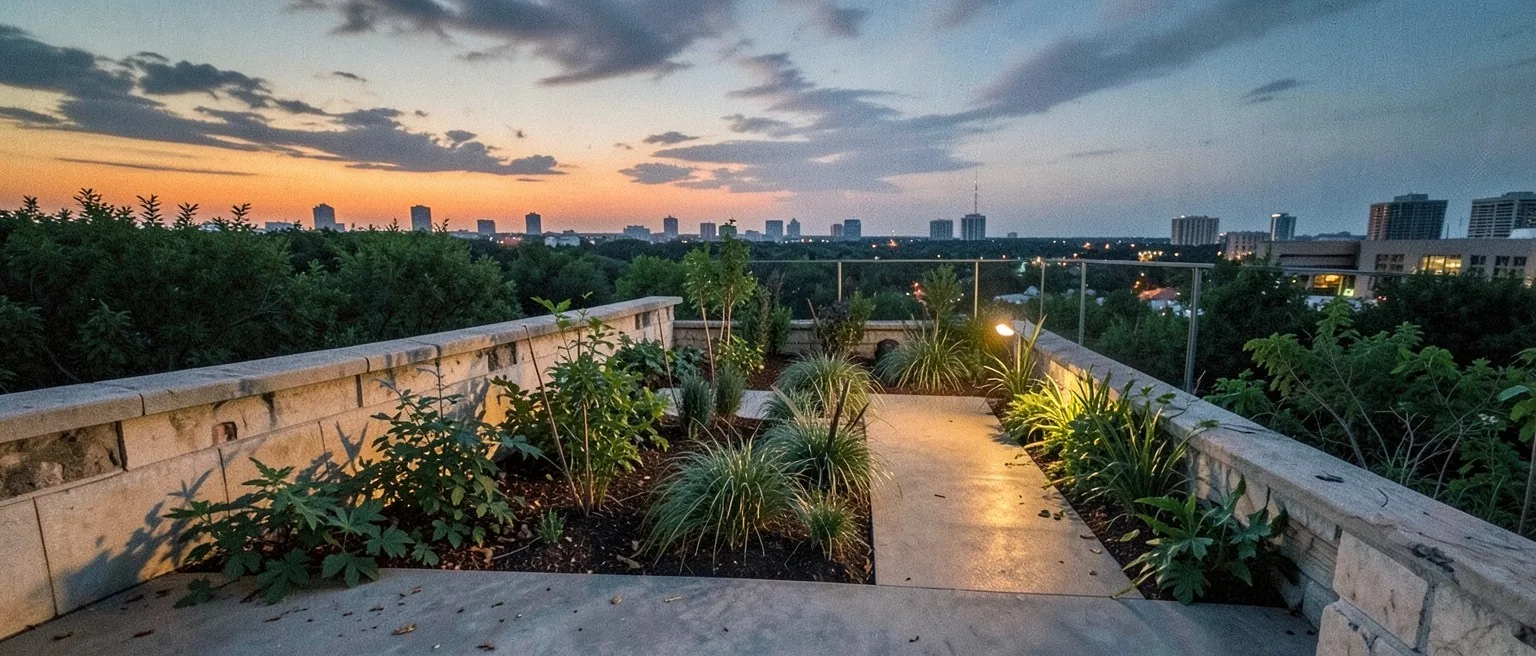

Landscaping in Houston, TX: Drainage and Landscape Design
Design-build landscaping across Greater Houston — The Heights, Memorial, River Oaks, Garden Oaks, Montrose, Tanglewood and beyond — starting with drainage on every project.
Houston landscaping starts with a drainage assessment on every project we take on, and that is not a formality. Gumbo clay holds water like a sponge, the terrain is flat, and the rain arrives in volumes that overwhelm a landscape designed without a plan for it — we have seen too many good landscape plans ruined by standing water inside two years. Most Houston homeowners invest $12,000 to $45,000 for comprehensive landscaping, with established-neighborhood estates running considerably higher.
Below: what work costs across Houston, how the drainage problem is actually solved, which plants survive a hundred-degree August here, and how work in the historic neighborhoods differs.
What we build
What does a Houston landscaping project include?
Six scopes, delivered as one project. The first one is on every job whether it was asked for or not.
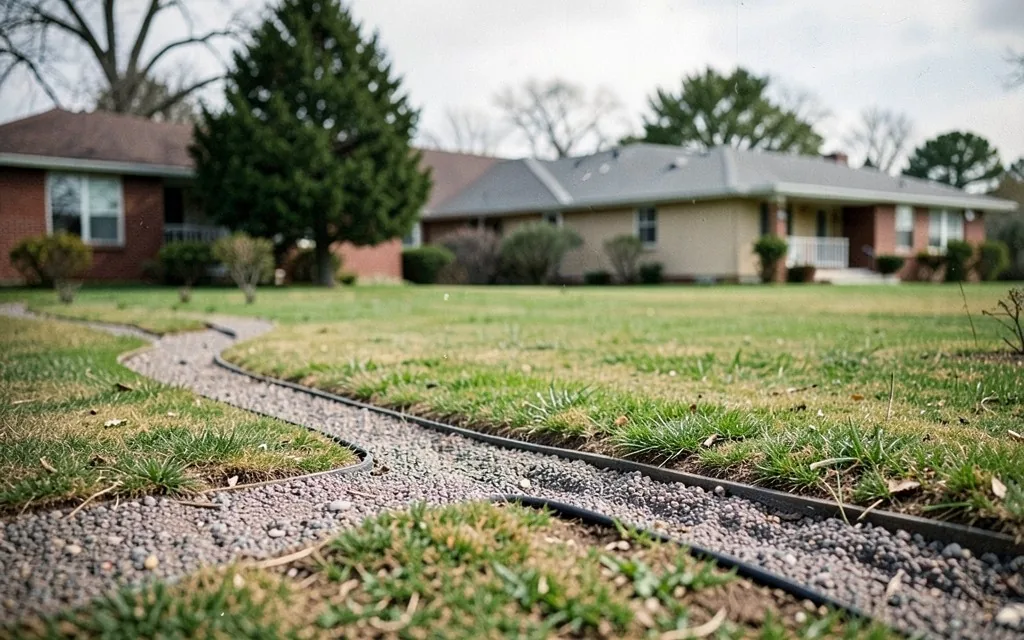
Drainage systems
French drains with proper aggregate and perforated pipe, catch basins at critical low points, channel drains along hardscape, and surface grading away from foundations.
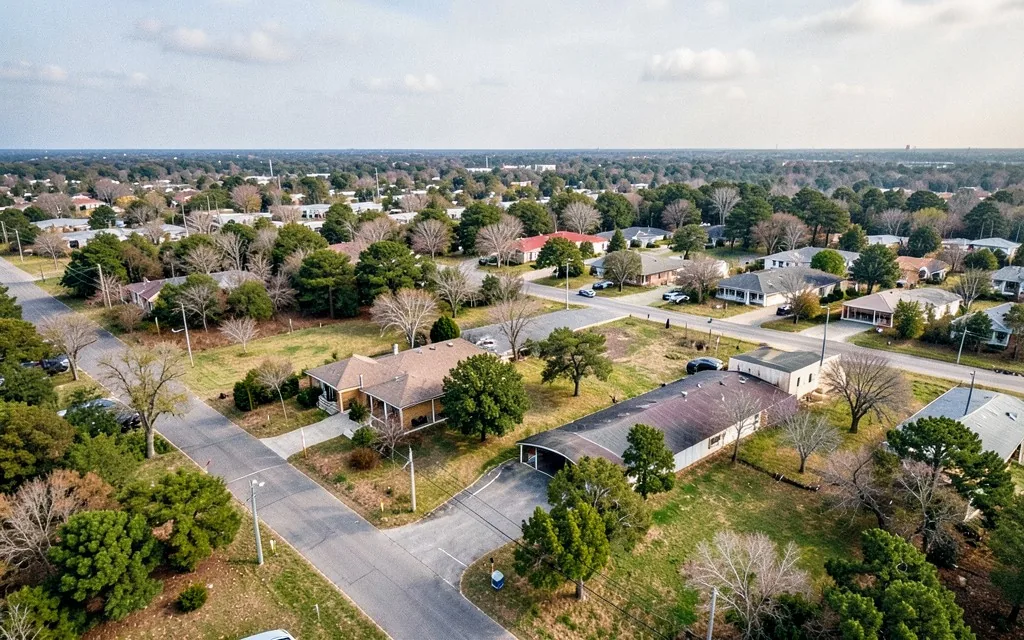
Landscape design
Surveyed and drawn to scale. Houston has no zoning, so every lot is genuinely different and template designs fit none of them.
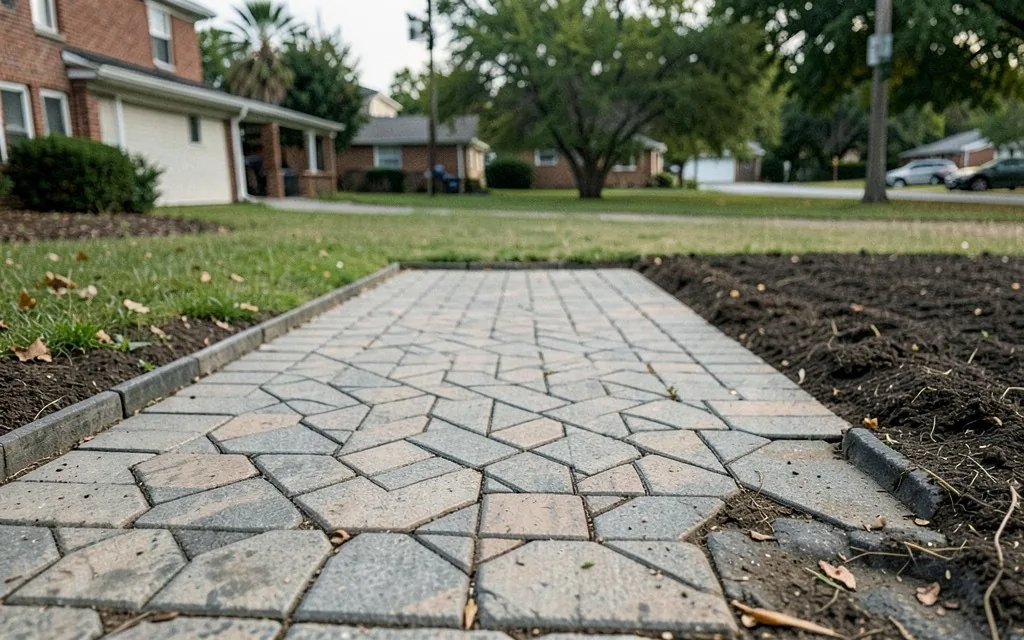
Hardscape and paver patios
Terraces and walkways on compacted bases, jointed for the movement gumbo clay applies and isolated from the house slab by an expansion joint.
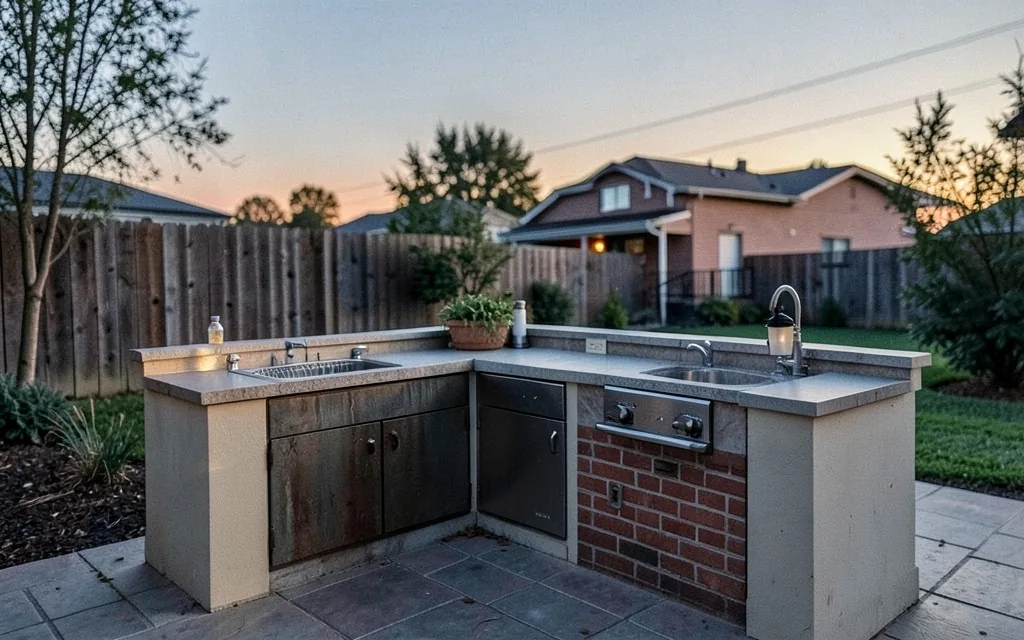
Outdoor kitchens
Kitchens and fire features designed into the terrace, with gas, water and power trenched while the ground is open rather than cut in later.
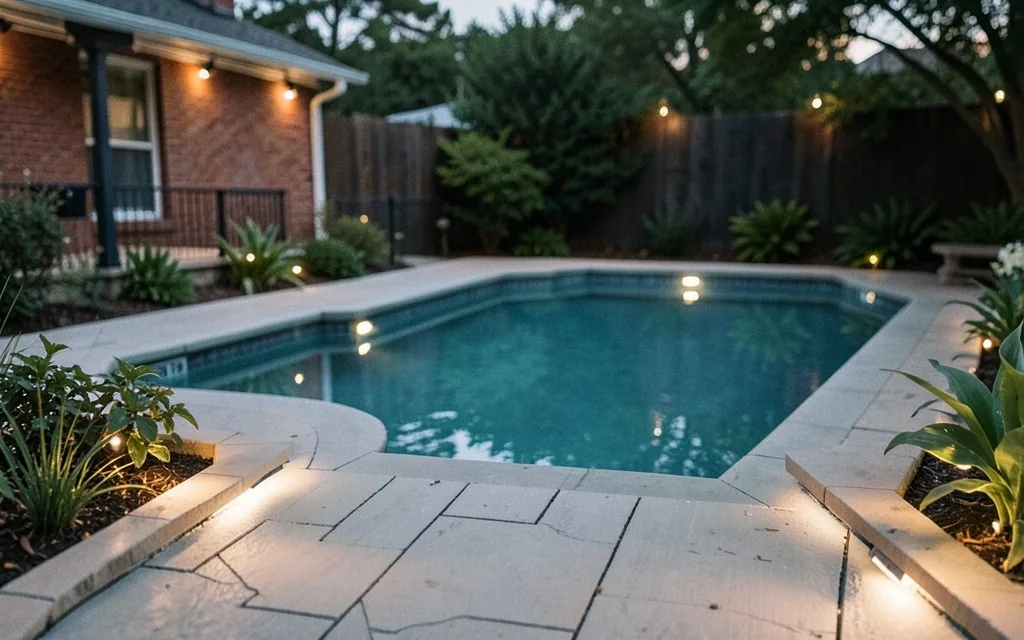
Pool surround landscaping
Planting, decking and drainage around an existing or new pool, with the runoff from a large impermeable deck actually accounted for.
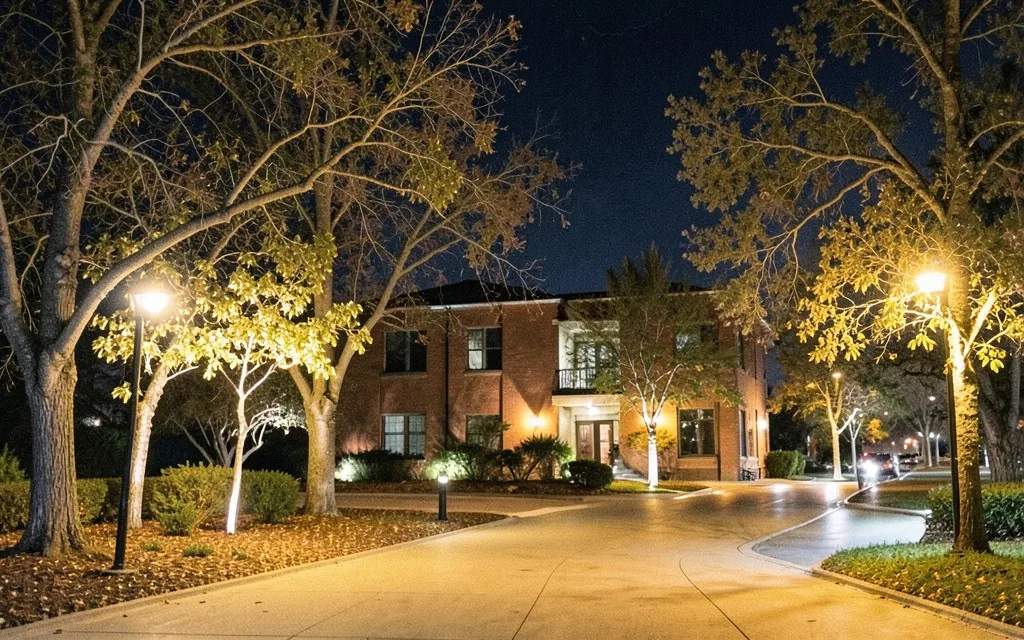
Lighting and irrigation
Low-voltage lighting and irrigation zoned to the planting, both installed during construction so finished surfaces are never reopened.
Local conditions
Why do Houston landscapes fail?
Five causes. Only two of them are about water, which surprises most people.
A design borrowed from somewhere else
CauseHouston has no zoning, so one street can hold a 1930s bungalow, a townhouse block and a new-build estate. A plan lifted from a neighborhood two miles away fits the plot but not the house, and not the light it gets.
FixEvery property surveyed and designed from what is actually there — the architecture, the orientation, the overshadowing from next door, and how the space is genuinely used. It is why we do not carry a template.
Mature trees and new work in conflict
CauseEstablished neighborhoods here carry decades-old live oaks, and a terrace or bed cut through a root plate damages the tree invisibly. It declines through the following year, long after the crew has gone.
FixRoot zones mapped and fenced before machinery arrives, edges routed around them, access matted, and hand-digging for any run that must pass close to a protected specimen.
Access defeats the project before it starts
CauseInner-loop lots in The Heights, Montrose and West University are tight, frequently with no side gate wider than a wheelbarrow and neighbors a few feet away. Machinery simply cannot reach the rear yard.
FixAccess assessed at quoting rather than on the morning of the build — narrow-track equipment, hand-barrowing where nothing else fits, and materials staged so the street is not blocked for a week.
Hardscape cracks along the house
CauseA patio poured or laid tight against the foundation. Expansive clay moves the slab and the paving at different rates and the joint between them fails first.
FixHardscape on its own compacted base, isolated from the slab by an expansion joint, with control joints placed to the actual geometry rather than a default grid.
Plants that cannot take the summer
CauseSpecies chosen for appearance and installed in April, then met with weeks above a hundred degrees and high humidity. They look right for one season and thin out in the second.
FixHeat-tested species only, selected bed by bed for the light and drainage they actually get, and planted in the fall window where the schedule allows it.
Neighborhoods
Which Houston neighborhoods do we cover?
Houston has no zoning, so lots and architecture vary block by block, and what we find varies with them. Any landscaping company can claim the work; being licensed and insured with documentation ready for a historic district or deed restriction is what actually gets a submission through. We function as one landscape contractor rather than a list of separate landscapers — tree service around root plates that took decades to grow, irrigation and sprinkler systems zoned to the shade, sod installation, mulch and flower beds, and lawn care with mowing that respects an established canopy. A free estimate and the curb appeal that follows are how residential landscaping starts, whatever the neighborhood. Houston is north of our Montgomery County home ground, and travel is priced into the quote honestly rather than absorbed.
The Heights and Montrose
Historic bungalows on tight lots with mature trees. Sympathetic hardscape, shade planting and drainage that works within a small footprint and close neighbors.
Memorial and River Oaks
Estate properties where designs run large. Extensive hardscape, specimen planting, site-wide lighting and phased construction across seasons.
Tanglewood and West University
Established, substantial lots with mature canopy. Drainage renewal, hardscape replacement and planting around protected root plates.
Garden Oaks and Oak Forest
Mid-century lots with large trees and settled grades. Drainage correction is the recurring first phase, followed by hardscape and shade planting.
Bellaire
Established residential with a real flooding history. Drainage design is the whole conversation before anything decorative is discussed.
Cypress and Jersey Village
Northwest suburban lots, often newer construction. Builder compaction and grading are the usual problems, and both are fixed before planting.
How it runs
How do we assess, design and drain a Houston yard?
The drainage assessment happens on the first visit, on every project. It shapes everything downstream.
- 01
Free drainage assessment
Grade measured, where water collects recorded, downspout discharge checked and the available outlets identified before anything is drawn.
- 02
Draw around the drainage, not on top of it
Concept and rendered design built around how you actually use the space, with the resolved drainage plan as the layer everything else is drawn onto.
- 03
Approvals where they apply
Deed restrictions and historic-district or civic-club requirements checked and prepared for, since Houston has no zoning but plenty of local rules.
- 04
Grade and drain
Surface grading corrected, downspouts piped, drains installed and flow-tested before backfill. The layer everything else sits on.
- 05
Build once, in the right order
Hardscape, sleeves and conduit, irrigation, planting and lighting sequenced so no finished surface on the property ever gets cut into or reopened.
- 06
Explain the watering, then check back
Irrigation timer programmed for a Houston summer, establishment watering explained on clay that swings between soaked and cracked, and a follow-up visit while problems are still cheap to fix.
What it costs
What does landscaping cost in Houston TX?
Ranges across Greater Houston. Drainage requirements and neighborhood scale move these more than material choice does.
Basic landscape work from $5,000
The scope on a smaller inner-loop lot — beds, shrubs, seasonal color and an irrigation adjustment sized to the footprint rather than a full redesign.
Comprehensive landscaping $12,000 – $45,000
What most inner-loop and close-suburb projects run — drainage resolved first, then hardscape, irrigation, lighting and planting built on top of it rather than layered in later.
Established-neighborhood estates $150,000+
River Oaks, Memorial, Tanglewood and comparable — extensive hardscape, specimen planting and site-wide lighting, usually phased.
Rates reviewed 2026-09-03. Every project is priced in writing after a site visit; these bands are what recent work has landed in, not a quote.
Recent work
Typical Houston projects
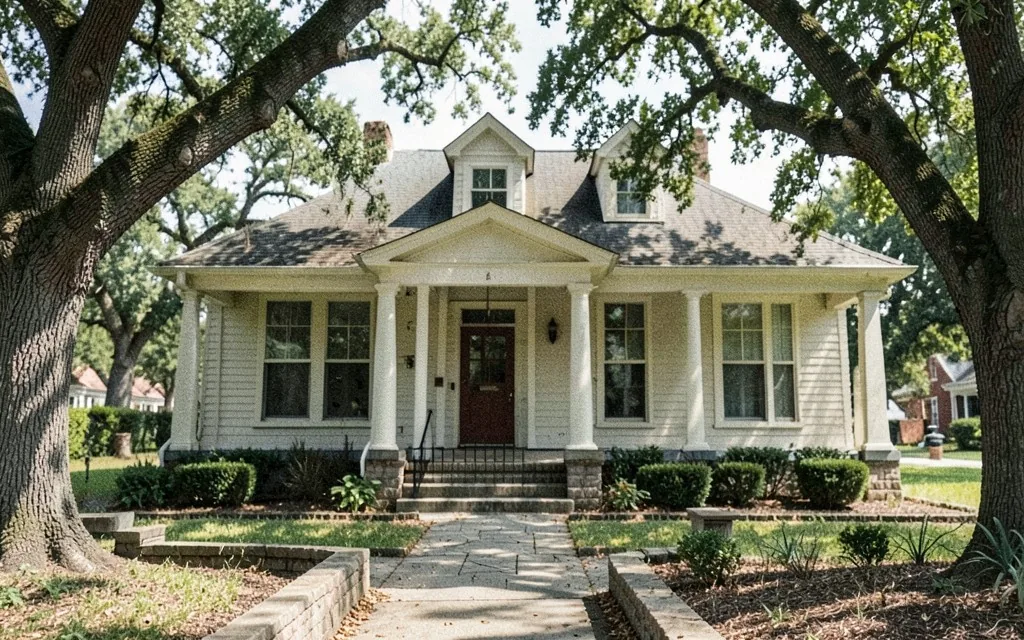
Houston landscaping in The Heights
Tight historic lot given sympathetic hardscape and shade planting, with drainage resolved within a small footprint.
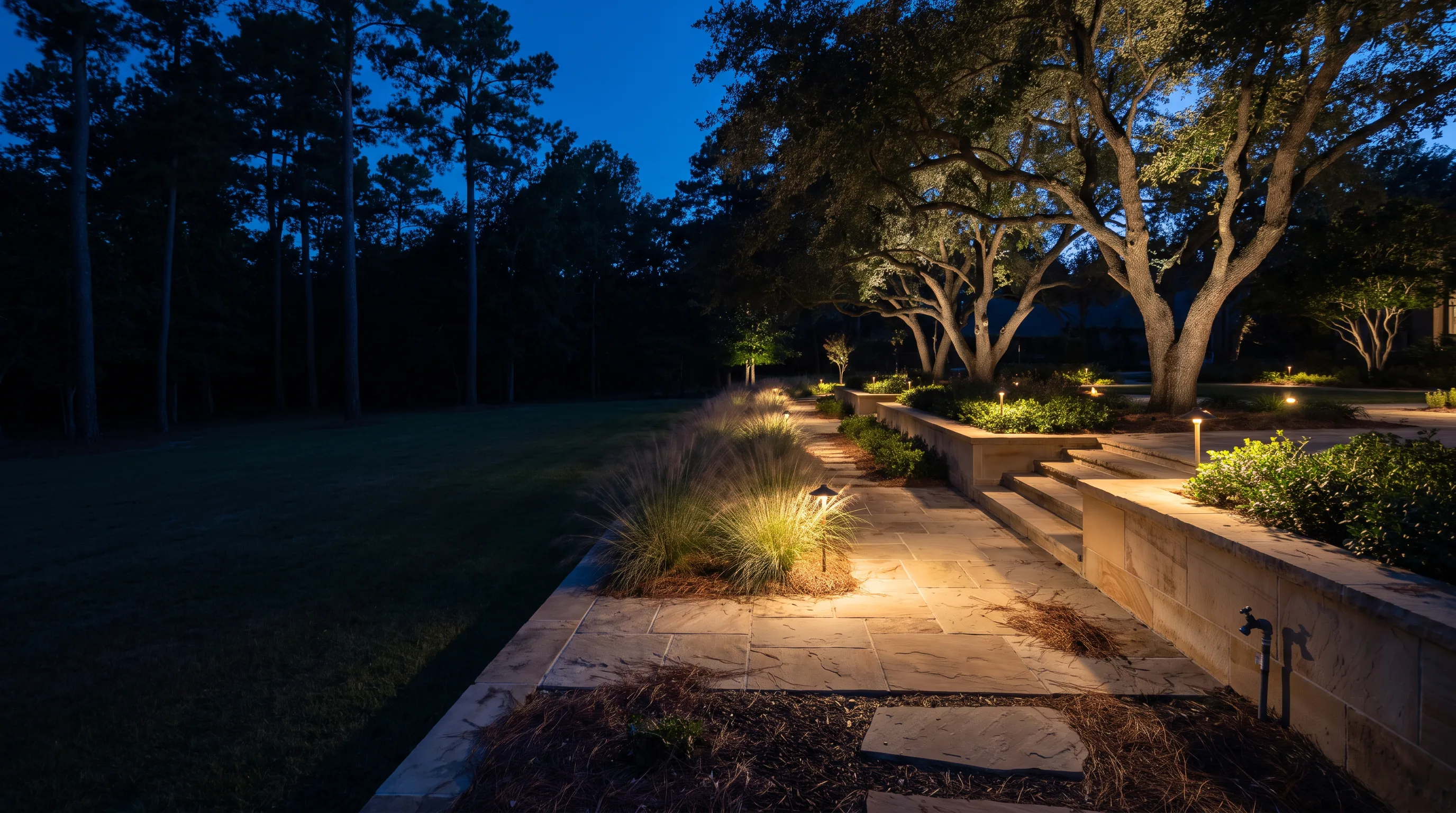
Memorial
Estate plan built in phases — drainage and hardscape first, then specimen planting and lighting.
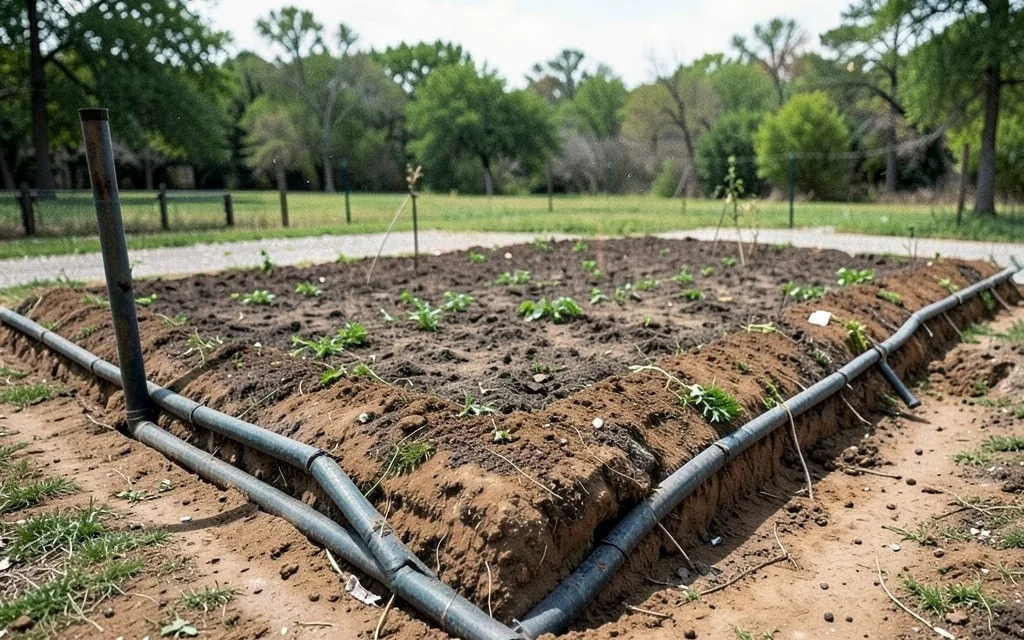
Bellaire
A lot holding water after every storm, corrected by regrading and piping the downspouts before anything was planted.
Why homeowners choose us
Why do Houston homeowners hire a drainage-first landscaper?
- 01
Drainage assessed on every project
Not only when it is asked for. Standing water is what ruins good Houston landscapes, and it is always the first thing measured.
- 02
Heat-tested planting only
Species that survive weeks above a hundred degrees with high humidity, chosen bed by bed rather than from a catalog.
- 03
Custom, because Houston is
No zoning means every property is genuinely different. Template designs fit none of them, and we do not carry one.
- 04
Access solved before the build
Inner-loop lots are tight. Narrow-track equipment and staged materials, worked out at quoting rather than on the morning.
- 05
Historic districts handled properly
Sympathetic hardscape and the review requirements that apply in The Heights, Montrose and Garden Oaks, checked before designing.
- 06
The drainage assessment is never upsold later
It happens on the first visit, free, on every property, whether the lot has a known problem or not — because in gumbo clay a problem that has not shown up yet still exists.
From Google
What clients say about the work
Every review below was left on Google, shown with the reviewer’s own name and photograph. Read them all on the Google profile.

Boone's vision for our front landscaping was awesome. His design included an enjoyable water feature, a rock bed for water to flow from the gutter, trees in the perfect places, small flowering plants that the butterflies love (we see many), a beautiful area fo…
Read full review

Great work and great ideas!!! Thanks Boone

Boone was very knowledgeable. He solved a problem with drainage and fungus on my yard I’ve been fighting for over a year. Had numerous other companies but the problem was never really resolved until Boone took care of it.
Read full review
Reviews sourced from Google · last checked 2026-08-25
Questions
Landscaping in Houston TX — frequently asked
How much does landscaping cost in Houston TX?
From around $5,000 for basic projects to $150,000 and up for luxury estate work. Most homeowners invest $12,000 to $45,000 for comprehensive front and back landscaping. Properties in River Oaks, Memorial, Tanglewood and other established neighborhoods often require larger investments because of lot scale and the level of hardscape involved. Every property gets a free detailed estimate after a site visit.
How do you handle Houston drainage problems?
Every project begins with a drainage assessment, because clay soil and flat terrain create problems citywide. In practice that means French drains, catch basins at critical low points, channel drains along hardscape and surface grading away from foundations — and the detail of how each is specified lives on our drainage pages rather than being restated here. What matters at the design stage is that it is resolved on the plan before anything is built, not diagnosed after the first storm.
What plants grow best in Houston TX?
For the humid subtropical climate and heavy clay, heat-tested performers: live oak, knockout and drift roses, dwarf yaupon holly, loropetalum, gulf muhly grass, lantana, esperanza and Texas sage. For shaded areas, azaleas, camellias, cast iron plant and holly fern do well. Everything is chosen to thrive rather than merely survive a Houston summer, and matched to the light and drainage of the specific bed.
Do you work in Houston historic neighborhoods?
Regularly — The Heights, Montrose, Garden Oaks and comparable areas. The constraints are real: tight lots, close neighbors, mature protected trees and, in designated historic districts, review requirements for visible exterior work. Hardscape is kept sympathetic to the age of the house rather than imported from a suburban palette, and terrace edges are routed around root plates rather than cut through them.
Do you handle HOA approvals in Houston?
Where they apply, yes. Houston has no zoning, but deed restrictions, civic clubs and historic-district rules do a similar job neighborhood by neighborhood, and they vary considerably. We check what governs your property before designing and prepare whatever submission is required. Work that has to be modified after installation is the most expensive kind, and it is entirely avoidable with a phone call at the start.
How long does a landscaping project take in Houston TX?
Design takes three to six weeks, plus any review period that applies. Construction depends on scope: basic front yard work is a few days, a comprehensive design two to four weeks, and an estate project six to twelve weeks or longer. Weather is the main variable — saturated gumbo clay cannot be graded or compacted, so a wet spell stops earthwork completely regardless of the schedule.
Why does my Houston landscape keep failing?
In our experience it is nearly always water rather than plants. Gumbo clay holds water like a sponge, so roots in a low area sit saturated for days after a storm and drown slowly — which reads as a plant-selection problem and gets treated as one. The other common cause is the opposite: heat and drought stress in August on species chosen for looks. Both are diagnosable on a site visit, and both are design failures rather than gardening ones.
Can you landscape around an existing pool?
Yes, and it is a common request. The important half is drainage: a pool deck is a large impermeable surface, and where its runoff goes changes the water behavior of the whole yard. We look at deck falls and discharge before planting, choose species with low litter and non-invasive roots near the shell, and design lighting so the space works after dark, which is when a Houston pool actually gets used.
Do you work in Cypress and Jersey Village?
Yes, along with the wider Northwest Houston area. Lots there are often newer construction, and the recurring problems are builder compaction and grading set for the build rather than the finished landscape. Ripping the compacted layer and correcting the grade before planting costs a fraction of retrofitting both later, and it largely determines whether a new lawn ever performs.
When is the best time to landscape in Houston?
October through March for planting, and here the reason is the summer you are planting against as much as the season you are planting in — root systems need real time in the ground before they face weeks above a hundred degrees. Drainage and grading are genuinely year-round work, but gumbo clay saturated after a heavy rain cannot be graded or compacted, so a wet spell simply pauses earthwork regardless of the calendar.
What is gumbo clay and why does it matter?
It is the heavy, dark, highly expansive clay that underlies most of the Houston area. Two properties matter for landscaping. It has almost no infiltration rate, so rain sits on the surface rather than soaking away — which is why drainage here is about conveyance rather than absorption. And it swells substantially when wet and shrinks in drought, so it moves several inches through the year, which is what cracks patios, shears irrigation lines and stresses foundations. Every design decision on a Houston lot is downstream of those two facts.
Does landscaping help with foundation problems?
It helps with the cause, which is moisture cycling in the clay rather than the foundation itself. Keeping water away from the perimeter — correct grade, downspouts piped well clear, drainage that discharges away from the slab — reduces the swell-and-shrink swing that stresses a foundation here. Consistent irrigation in drought does the same from the other direction. None of this is a substitute for a structural assessment if you already have movement, and we will say so rather than sell drainage as a repair.
Do historic-district reviews in Houston need proof of insurance?
Usually, along with deed-restriction and civic-club submissions, and we provide our documentation with the quote so it is on hand rather than chased down mid-review. Houston has no zoning, but the neighborhood-level paperwork does a similar job, and it moves faster when the contractor details are already attached.
Where we work
How far does our service area reach into Houston?
We work across Greater Houston and north through Montgomery County. Gumbo clay, flat terrain and no zoning are the three constants, and together they mean every project is drainage-led and genuinely custom.
Often specified alongside: French drains and drainage, landscape design, hardscaping and patios, outdoor kitchens and fire pits, landscape lighting, tree removal and trimming.