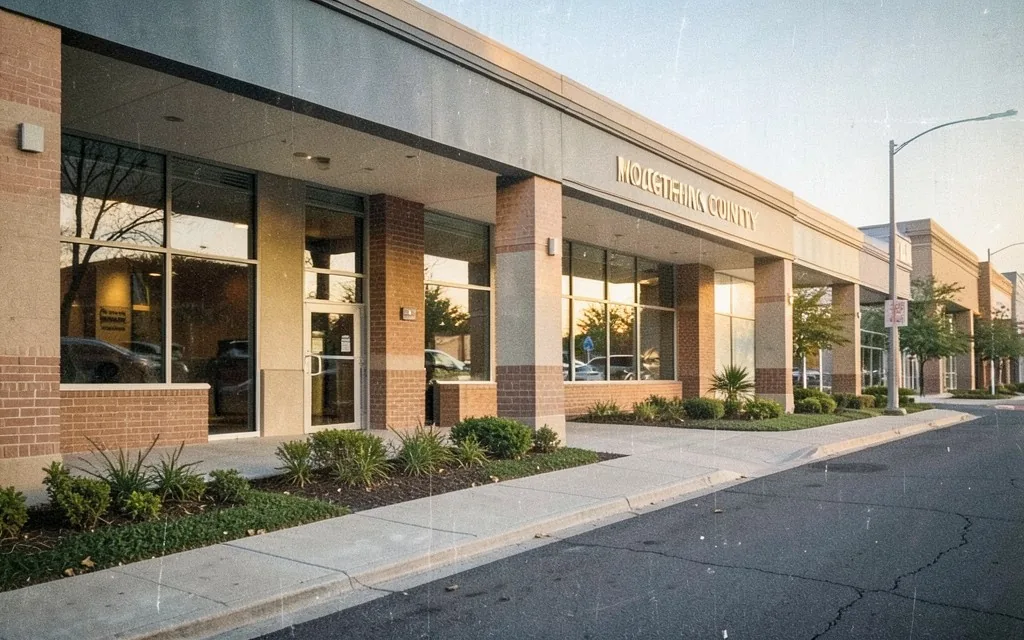

Commercial Landscape Maintenance in The Woodlands, TX
Office parks, retail centers, HOAs and healthcare facilities across The Woodlands, Spring and Conroe — $2M insured, 24/7 emergency response, and crews scheduled around your operations.
The reason most facilities take grounds off in-house staff is not the mowing — it is the exposure. Commercial landscape maintenance without a properly insured contract leaves equipment, seasonal labor, workers' compensation and public liability on a site with vehicles and pedestrians moving through it all sitting with whoever employs the crew. A properly insured contract moves that, and it should come with certificates issued to your entity as standard rather than on request. Most commercial contracts here run $1,500 to $5,000 a month.
Below: what contracts cost by property size, what the insurance actually covers, how emergency response works out of hours, and how crews are scheduled around a working building.
What we build
What does a commercial landscape maintenance contract cover?
The standard scope covers six areas; anything outside it is quoted rather than absorbed quietly.
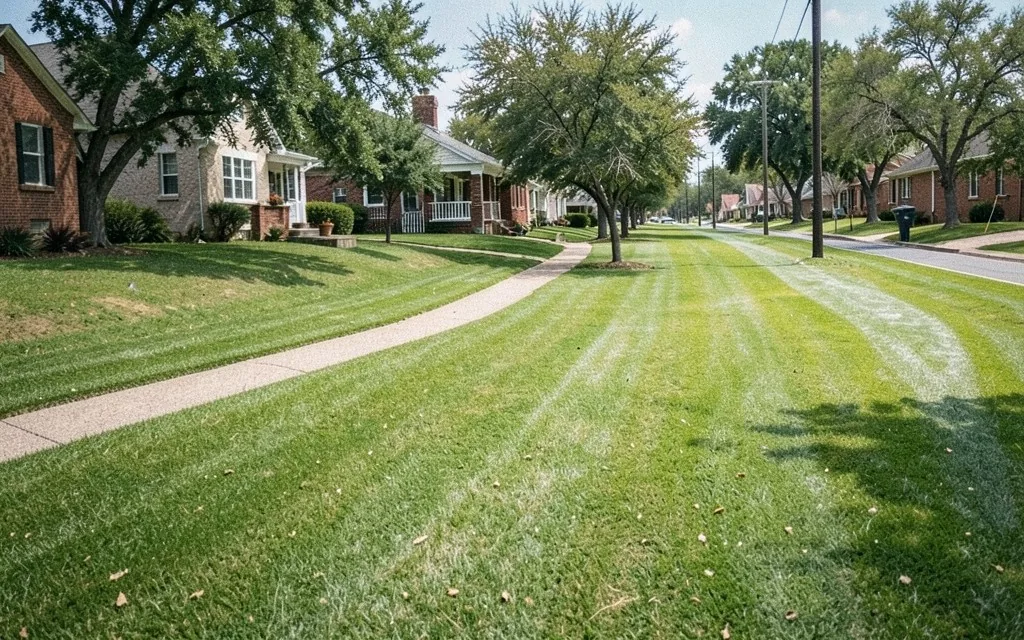
Commercial grounds maintenance
Mowing, edging, line trimming and blow-down across the property on a fixed service day, with hard surfaces cleared before the crew leaves.
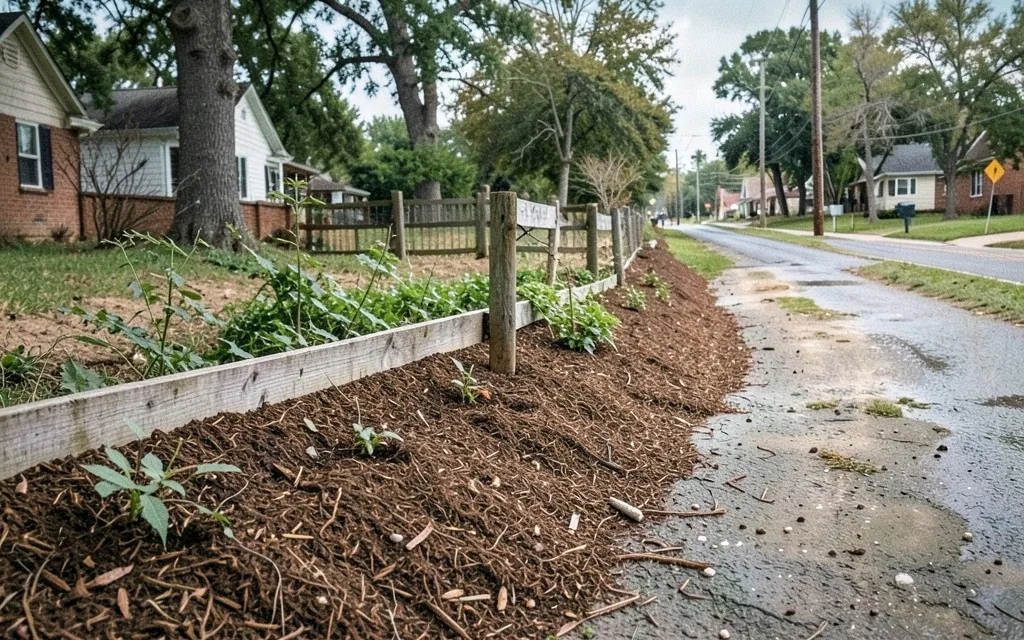
Bed and shrub care
Bed maintenance, weeding, shrub and small tree pruning, and mulch refresh on an agreed cycle rather than when someone notices it is needed.
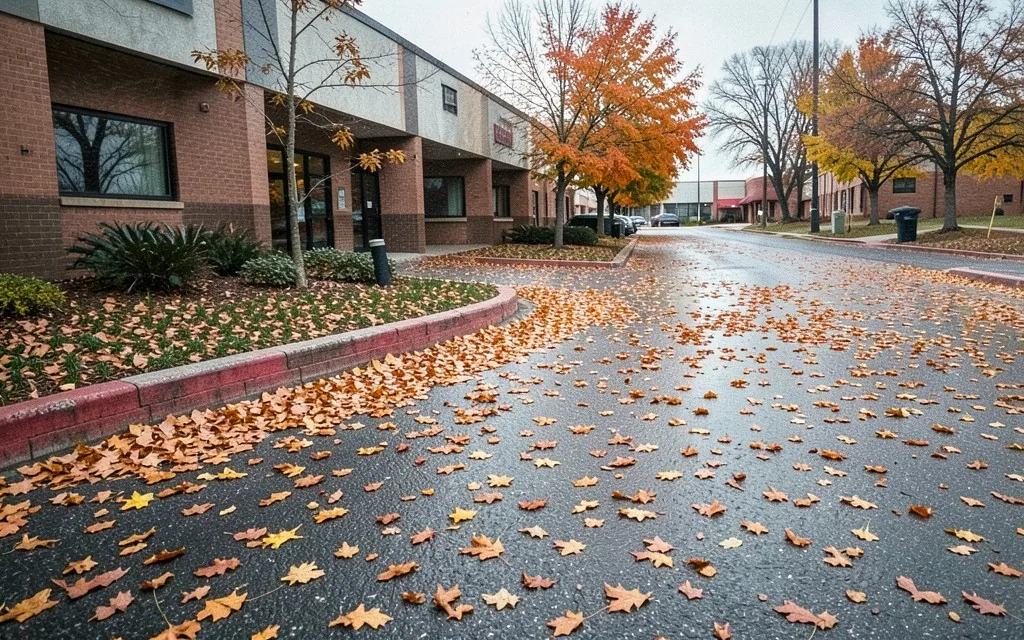
Seasonal clean-ups
Leaf clearance through fall, hard cut-back in late winter and storm debris removal — the work that keeps a property from looking neglected between growing seasons.
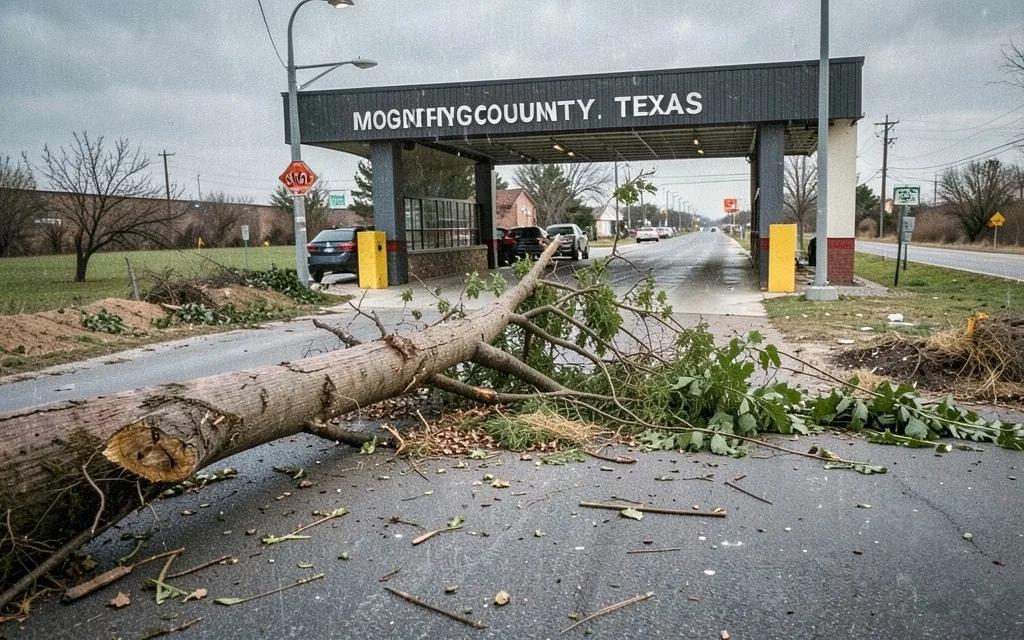
24/7 emergency response
Storm damage, fallen limbs and blocked access handled out of hours, prioritized by whether the building can safely operate.
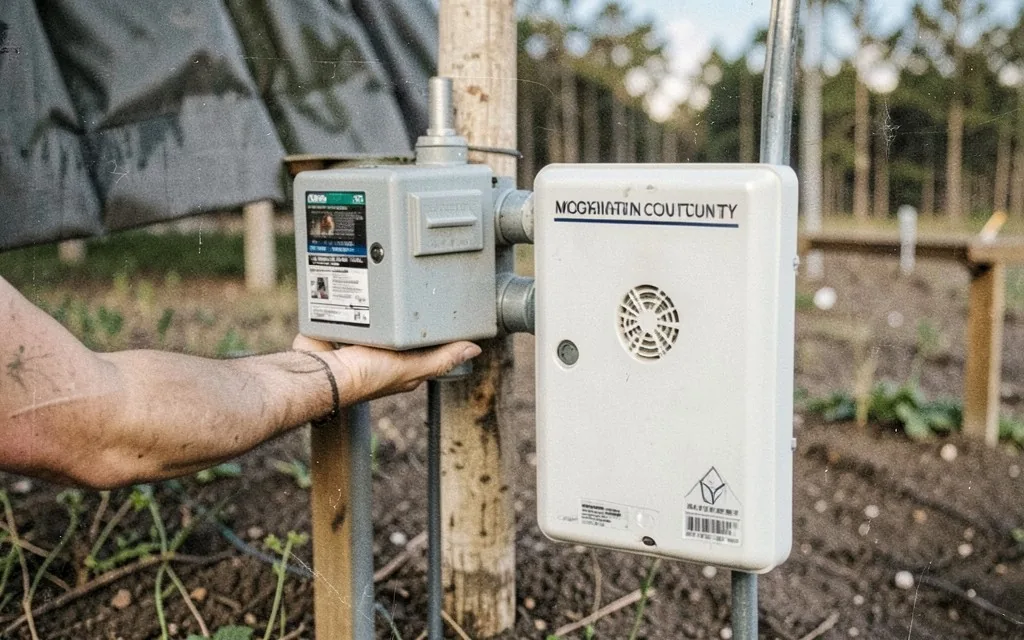
Irrigation monitoring
System checks, repairs and seasonal reprogramming. On a commercial site an unnoticed leak runs continuously and shows up as a bill nobody can explain.
Documented reporting
Service records and issue reports, so whoever owns the property internally can evidence what was done without making a phone call.
Local conditions
What actually goes wrong on a commercial contract?
Five failures. Four of them are risk and operations rather than horticulture.
The insurance certificate never arrives
CauseCoverage promised at the pitch and then chased every renewal, or a certificate naming the wrong entity. Procurement holds the invoice, and the exposure sits with the property in the meantime.
FixCertificates issued to the correct entity at contract start and reissued automatically on renewal. It is a five-minute administrative habit and it removes a recurring irritation entirely.
Nobody answers out of hours
CauseA limb across the entrance on a Saturday and a voicemail box. The property cannot open safely on Monday, and the facilities contact spends the weekend calling around.
FixA 24/7 line that reaches someone who can dispatch, with response prioritized by whether the building can operate and whether anyone is at risk.
Crews work through the busiest hour
CauseA service day set for the contractor route rather than the property. Equipment noise during clinic hours or a lunchtime retail peak becomes a complaint that lands on facilities.
FixService windows agreed against how the building actually operates — early, after-hours or on a low-traffic day — and fixed, so the pattern is predictable for everyone on site.
Scope creep in reverse
CauseA contract priced low that quietly drops frequencies to stay profitable. Nothing is announced; the property simply looks slightly worse each quarter until somebody finally measures it.
FixFrequencies stated by area in the contract and evidenced in the service record, so a reduction has to be a conversation rather than something that happens by attrition.
Water waste nobody owns
CauseIrrigation on an installation schedule with a leak somewhere in a large system. It runs continuously, costs real money and is invisible until the bill arrives.
FixSystems checked on the maintenance visit, reprogrammed seasonally, and leaks reported with a repair price rather than left for someone else to notice.
Specification
Which properties do we hold commercial grounds maintenance contracts for?
Six property types, and the horticulture is similar across all of them — what differs is the operational overlay.
Office parks and corporate campuses
Tenant-facing grounds where the entrance and pedestrian routes carry leasing weight, and where after-hours access has to be arranged once rather than per visit.
Retail centers
High-traffic frontage with parking, deliveries and trading hours to work around. Service windows sit outside trading peaks, and litter and edges matter more than acreage.
Healthcare facilities
Access routes, ambulance bays and patient-facing frontage that must stay clear and safe. Noise timing and route clearance take priority over aesthetics.
HOA common areas
Community entrances, amenity grounds and open space, with reporting written for a volunteer board rather than a facilities professional.
Industrial and warehouse sites
Larger, simpler grounds where vehicle movement, sight lines at exits and perimeter tidiness matter more than planting detail.
Multi-property portfolios
Several sites on one contract with consistent standards and one point of contact, which is usually cheaper per site than contracting each individually.
How it runs
How do we set up a new commercial maintenance contract?
Six steps: the property gets walked, scoped, insured and scheduled before the first visit, because that is where commercial contracts usually fail.
- 01
Walk the property
Condition by area, irrigation state, tree work due, access constraints and how the building actually operates through the week.
- 02
Scope by area
A written scope with frequencies stated area by area, so what you are buying is measurable rather than a single line labeled maintenance.
- 03
Insurance and paperwork
Certificates issued to the correct entity, W-9 and vendor onboarding completed before the first invoice rather than chased after it.
- 04
Set the service window
A fixed day and time band chosen against the building operation, plus access arrangements so no visit depends on someone being available.
- 05
Service and record
Work carried out by a dedicated crew and recorded, with issues found reported and priced rather than mentioned in passing.
- 06
Emergency cover, standing
A 24/7 route that reaches someone who can dispatch, prioritized by whether the property can operate safely.
What it costs
What does commercial landscape maintenance cost?
Monthly ranges by property size. Frequency, acreage and how much of the work has to happen outside operating hours drive the figure.
Small commercial property $500 – $1,500 / month
A single building with modest frontage and limited beds. Weekly or bi-weekly service with service records.
Standard commercial contract $1,500 – $5,000 / month
The band most Montgomery County properties land in — full grounds, beds, seasonal work and irrigation monitoring.
Large or multi-site $5,000 – $15,000+ / month
Extensive grounds, multiple buildings or a portfolio on one contract, generally with after-hours service and a named account contact.
Rates reviewed 2026-09-03. Every project is priced in writing after a site visit; these bands are what recent work has landed in, not a quote.
Recent work
Typical commercial work
The Woodlands
Healthcare site moved to an early service window so ambulance bays and access routes are never obstructed.
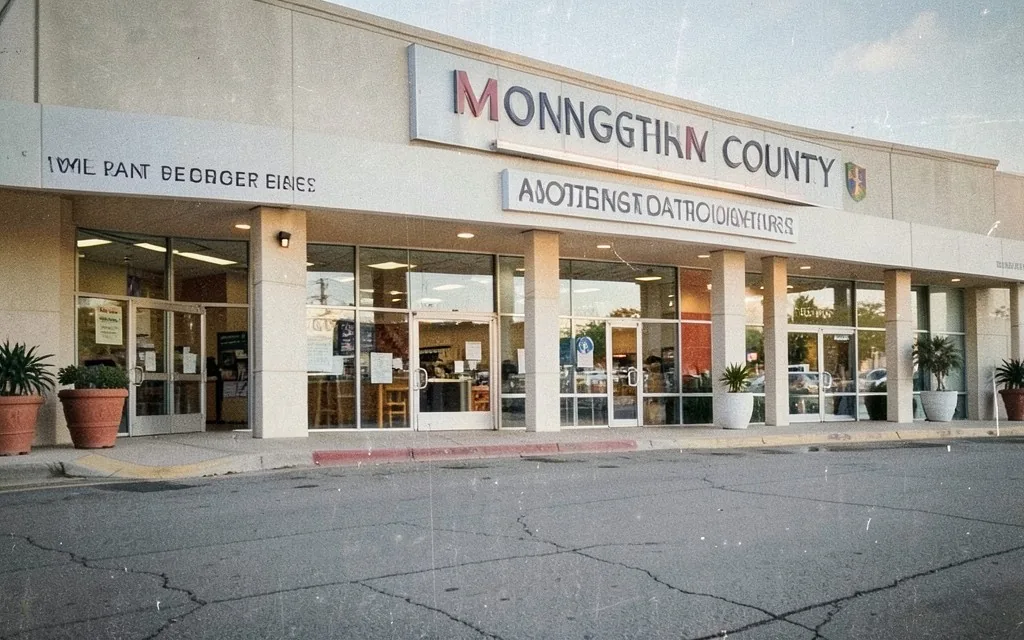
Spring
Retail frontage scheduled outside trading peaks, with litter and edge work prioritized over acreage.
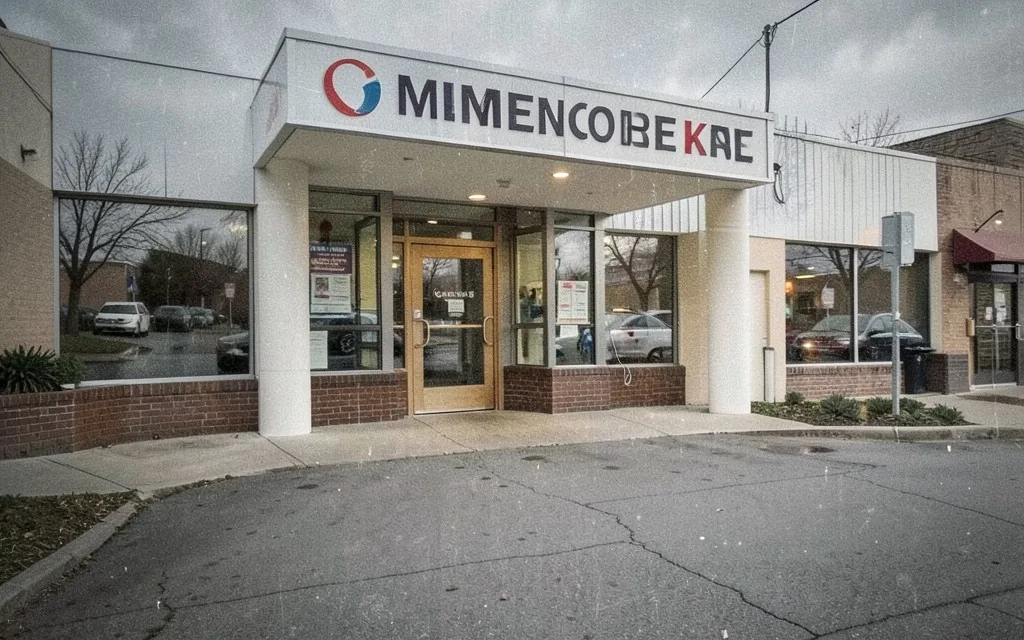
Conroe
Out-of-hours call after a storm — entrance and parking lot cleared overnight so the building opened on time.
Why facilities managers choose us
Why facilities managers use us
- 01
$2M liability coverage
Certificates issued to the correct entity at contract start and reissued on renewal without being chased.
- 02
Someone answers out of hours
A 24/7 route that reaches a person who can dispatch, prioritized by whether the property can operate safely.
- 03
Scheduled around your operation
Service windows set against how the building actually runs — early, after-hours or on a low-traffic day, and fixed.
- 04
Frequencies stated by area
What you bought is written down and evidenced, so standards cannot quietly erode to protect a thin price.
- 05
Irrigation actively monitored
Checked on the visit, reprogrammed seasonally and leaks reported with a price rather than left to show up on a bill.
- 06
Insurance travels through a takeover
When a contract starts or a provider changes mid-year, coverage is documented from day one rather than assumed to carry over from whoever came before.
Questions
Commercial landscape maintenance — frequently asked
How much does commercial landscape maintenance cost?
Small commercial properties with modest frontage run $500 to $1,500 a month. Most Montgomery County properties fall in the $1,500 to $5,000 band, covering full grounds, beds, seasonal work and irrigation monitoring. Large properties, multi-building sites and portfolios on a single contract run $5,000 to $15,000 and up. Frequency, acreage and how much work must happen outside operating hours drive the figure.
Do you provide certificates of insurance?
Yes — $2M liability coverage, with certificates issued to the correct entity at contract start and reissued automatically on renewal. We do it without being asked, because the usual failure is coverage promised at the pitch and then chased every year, or a certificate naming the wrong entity. Procurement holds invoices over that, and the exposure meanwhile sits with the property.
How do you handle after-hours emergencies?
A 24/7 route that reaches someone who can actually dispatch a crew, rather than a voicemail box. Response is prioritized by whether the property can operate safely — a limb across the entrance or a blocked ambulance bay comes before cosmetic damage. Damage is photographed before it is cleared, which matters for the ownership insurance claim and is the step most often lost in the rush to tidy up.
Can you work around our business hours?
Yes, and on most commercial sites it is the right answer. We set the service window against how the building actually operates — early morning for healthcare and offices, outside trading peaks for retail, or a low-traffic day for industrial sites — and then keep it fixed so the pattern is predictable. Access arrangements are agreed once so no visit depends on someone being available to let a crew in.
What is included in a standard contract?
Mowing, edging, line trimming and blow-down of hard surfaces; bed maintenance, weeding and mulch refresh on an agreed cycle; shrub and small tree pruning; seasonal clean-ups; irrigation monitoring and adjustment; and service records. Frequencies are stated area by area rather than as one line, so what you are buying is measurable. Enhancement, tree work and irrigation repairs are quoted separately.
Why do commercial contracts get worse over time?
Usually because they were priced too thin to start with. Nothing is announced — frequencies quietly drop to protect the margin, and the property looks slightly worse each quarter until somebody finally measures it against the contract. The defense is having frequencies written by area and evidenced in the service record, so any reduction has to be a conversation rather than something that happens by attrition.
What happens to insurance coverage if we switch contractors mid-year?
It should not be assumed to carry over, and we treat it as its own line item at handover rather than an afterthought. Certificates naming your entity are issued before the first visit, not after, so there is no gap between the old contract ending and coverage actually being in place. We also walk the property first and record its condition in writing, which matters for the same reason — it separates existing wear from anything that happens on our watch.
Do you service multiple properties on one contract?
Yes, and for a portfolio it is normally cheaper per site as well as simpler. One contract, consistent standards across the sites, one point of contact and one reporting format. It also means a problem at one property is visible to the same person who sees the others, which tends to catch recurring issues — irrigation, for instance — far earlier than site-by-site contracts do.
Do you handle irrigation as part of maintenance?
Monitoring and adjustment are included: systems checked on the visit and reprogrammed seasonally rather than left on an installation schedule for years. Repairs are quoted separately and reported with a price, not just mentioned. On a large commercial system an unnoticed leak runs continuously and is genuinely invisible until the bill arrives, which is why the check is part of the routine.
What about storm and tree work?
Emergency clearance is covered by the 24/7 response — access routes, parking lots and anything unsafe. Planned tree work such as crown cleaning, clearance pruning or removals is quoted separately, because it is specialist work with its own equipment and timing. On oaks in particular the season matters, so scheduled work is planned rather than done whenever a crew happens to be on site.
Do you provide service reports?
Yes. Service records show what was done and when by area, with issues found and anything needing a decision. On properties where someone has to evidence the spend internally, that documentation is often as valuable as the work itself — it means a facilities contact can answer a question from ownership or a tenant without needing to phone us first.
What does the insurance actually cover?
The short answer is the exposure that would otherwise sit with whoever employs the crew. Public and general liability for damage or injury arising from the work, and workers compensation for the people doing it — which is the piece facilities managers most often overlook when comparing an in-house team against a contract. On a site with vehicles, pedestrians and equipment moving through the same space daily, that is the difference between an incident being our problem and being yours.
Is there a minimum contract length?
We prefer an annual term because grounds work is seasonal and a twelve-month view lets us balance heavy and light periods into one monthly figure. That said, we would rather earn a renewal than enforce a term. Shorter and month-to-month arrangements are possible; they generally price slightly higher, because the seasonal peaks cannot be averaged across a full year.
What happens if a crew misses a scheduled visit?
It gets made up inside the same week and the visit report shows it. Weather moves schedules here more than anything else, and a saturated site cannot be mown without rutting it. The program is written around that reality rather than pretending it will not happen, so a missed week is rescheduled, not silently dropped from the count you are paying for.
Where we work
Where do we provide commercial maintenance across North Houston?
We hold commercial grounds contracts across Montgomery County and North Houston — The Woodlands, Spring, Conroe, Magnolia, Tomball, Willis and Montgomery. Portfolios across several of these are handled on a single contract.
Often specified alongside: maintenance programs and reporting, office park landscaping, HOA landscaping, commercial de-icing, storm damage response.