
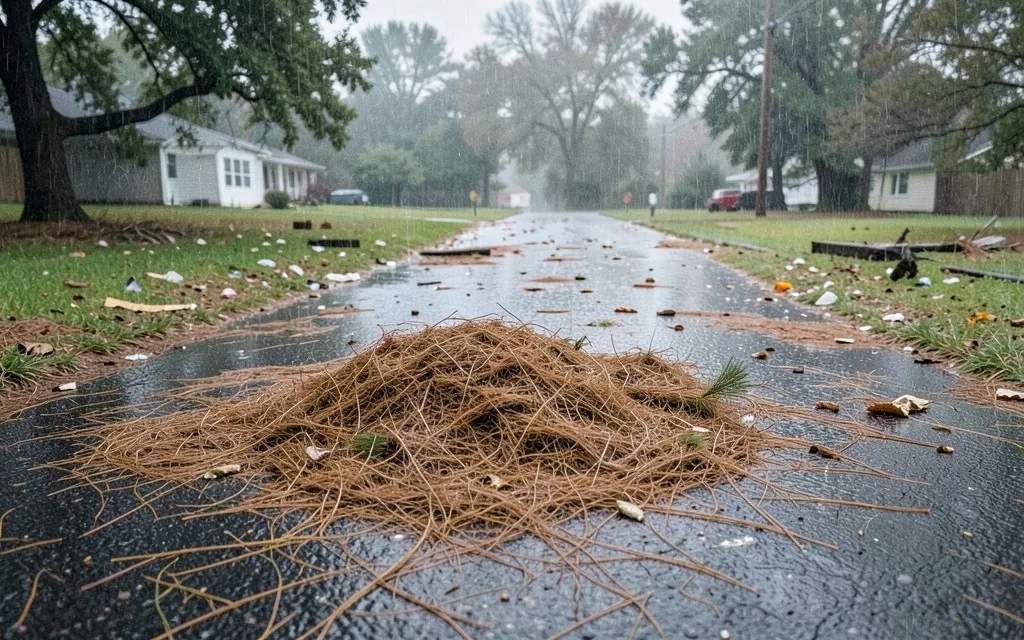
Storm damage
After the storm, in the right order: safe, clear, then restored
Storm response across The Woodlands, Spring and Conroe — hazards made safe first, trees and debris cleared, damage documented for your insurer, and the landscape put back afterwards.
The first decision after a storm is what is still dangerous. A leaning tree with a lifted root plate, a limb hung in the canopy, or a trunk resting on a power line is more hazardous than the tree already on the ground, and it is what gets people hurt during cleanup. We assess and make safe first, photograph and document everything for your insurance claim, then clear — in that order, because the order is what protects both you and the claim.
Below: how quickly we can get there, what emergency removal costs, how insurance documentation actually works, and what to do — and not do — before we arrive.
What we build
What we handle
Gulf storms produce a predictable set of problems here. These are them.
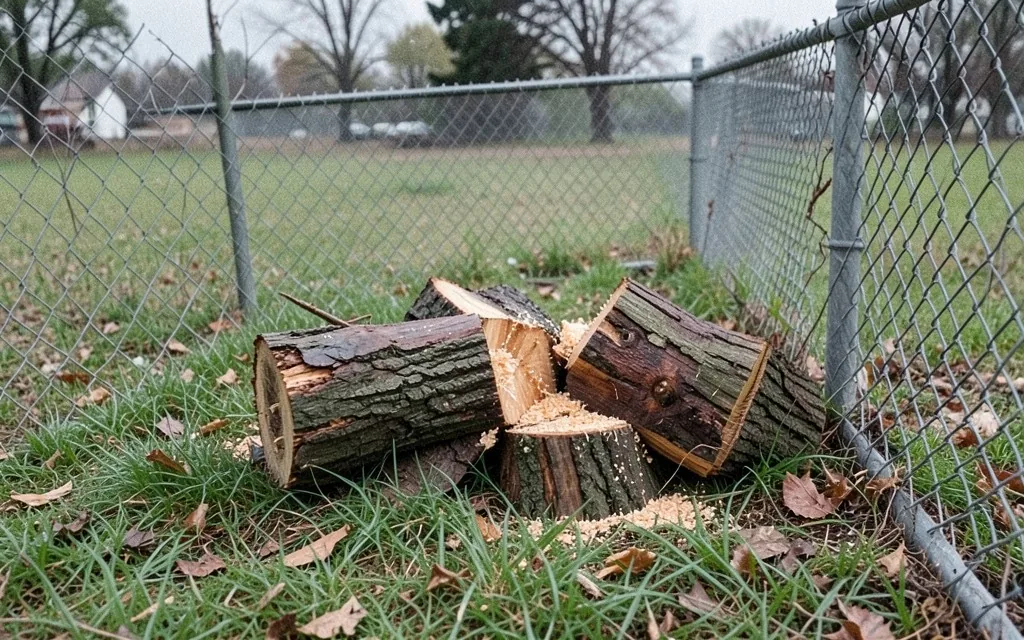
Emergency tree removal
Trees down across drives, fences, roofs and pools. Rigged and lowered in sections where a drop would cause more damage, craned where the load demands it.
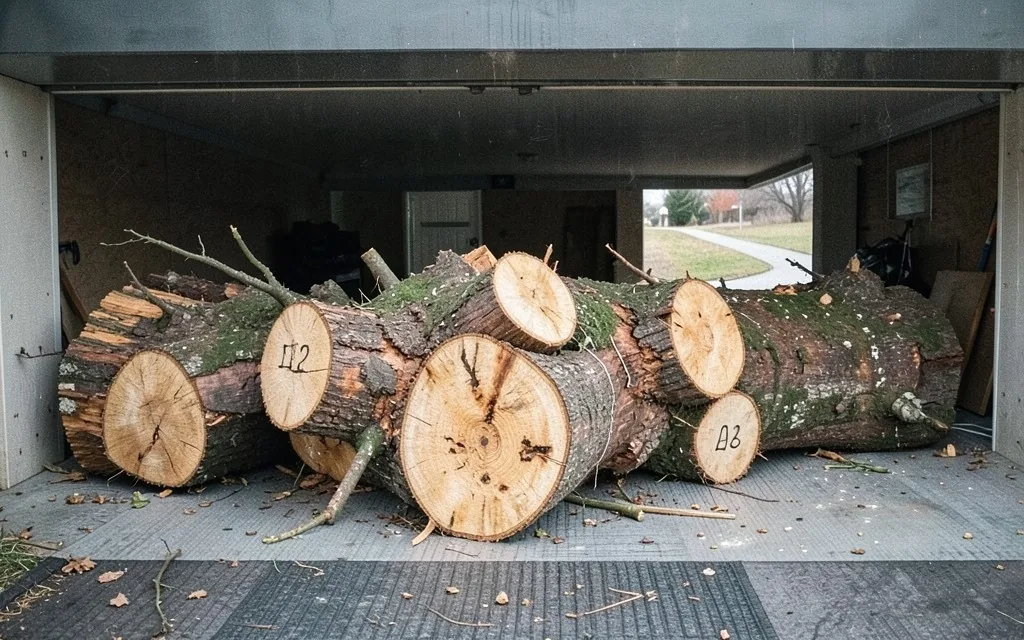
Trees on structures
A trunk resting on a roof is holding load. Removing it wrongly drops that load through the structure, so these are cut in a planned sequence, usually with a crane.
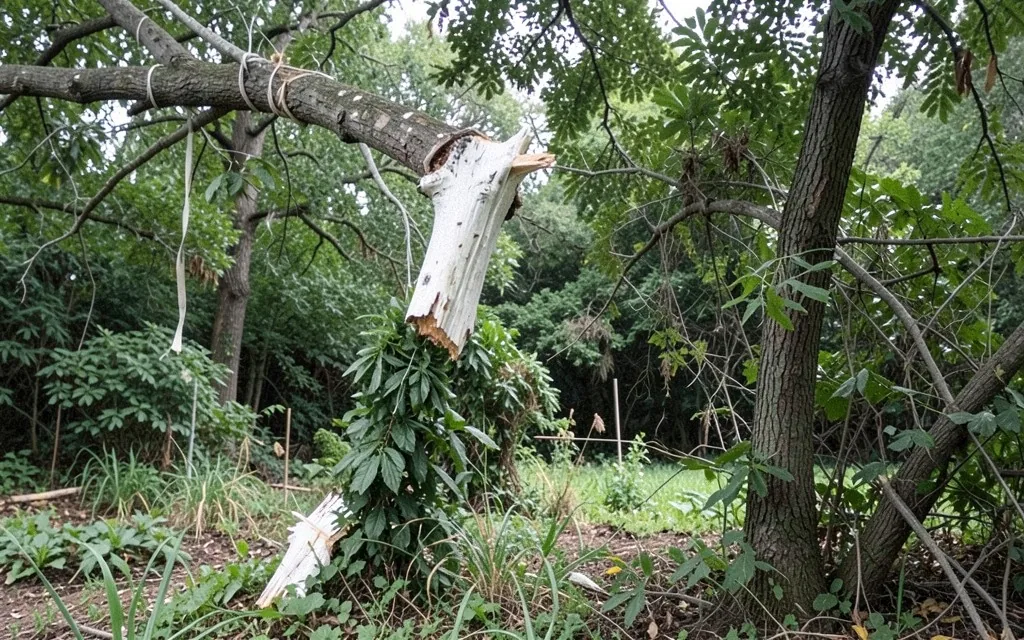
Hangers and widow-makers
Broken limbs lodged in a canopy, which come down later without warning. The most under-estimated hazard after a storm and the one homeowners walk under.
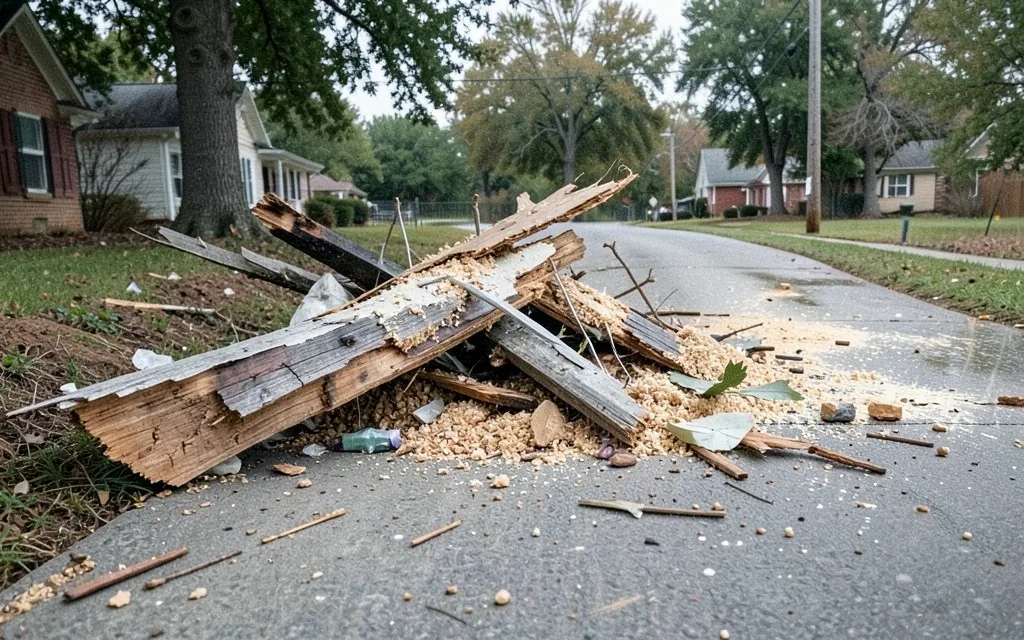
Debris clearance
Brush, limbs and trunk wood chipped or hauled, drives and paths cleared, and the property made usable again rather than tidy in patches.
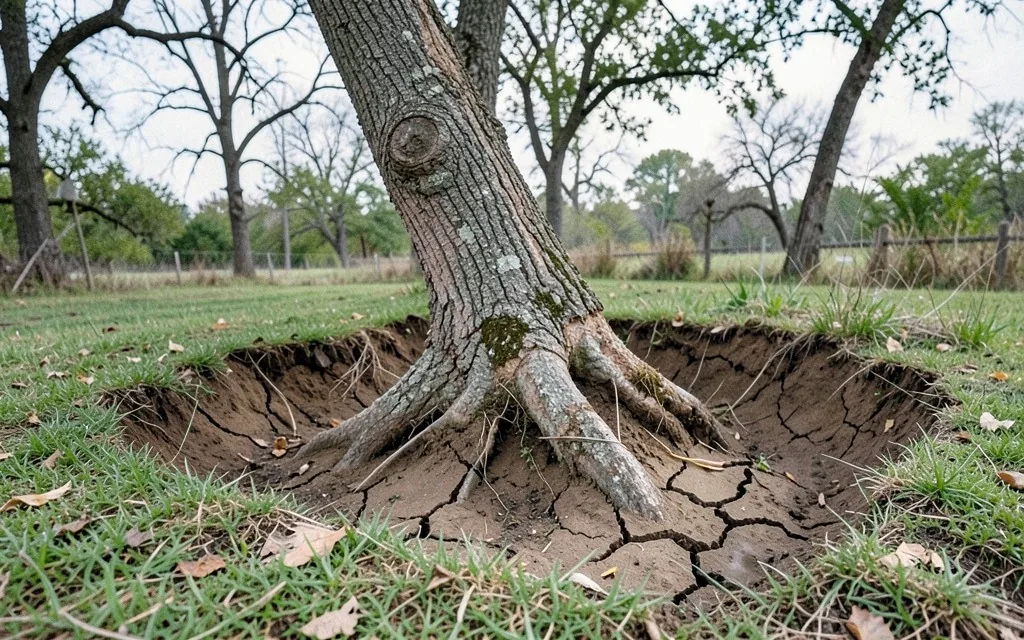
Hazard assessment
The trees still standing checked for root-plate lift, trunk cracks and canopy failures. The one that comes down next week is the one that was leaning today.
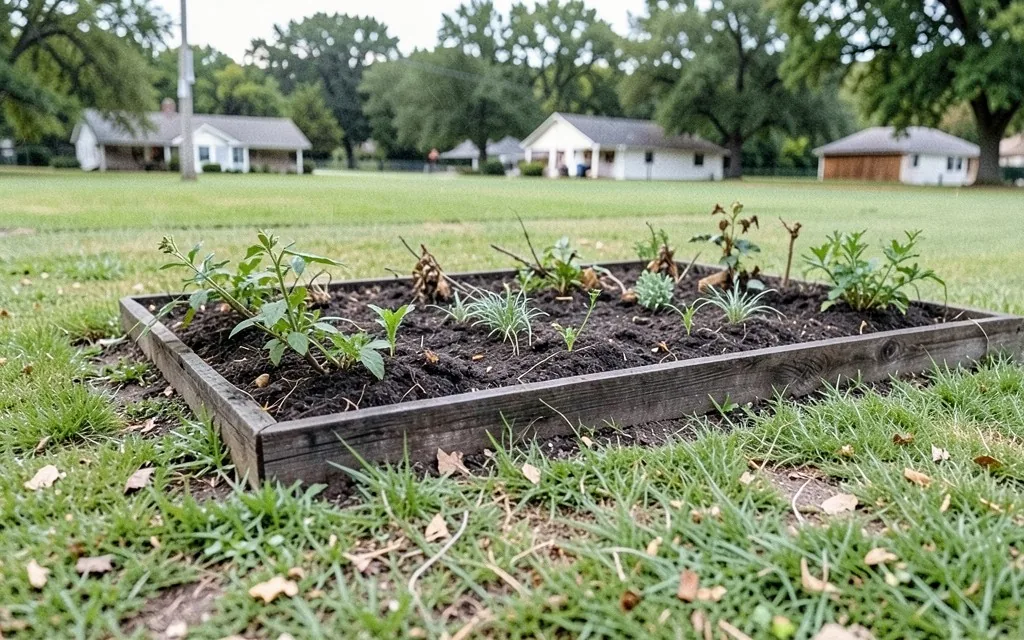
Landscape restoration
Ruts, crushed beds, damaged irrigation, lost turf and the gap where a mature tree stood — repaired and replanted once the emergency work is finished.
Local conditions
What goes wrong during storm cleanup?
Four things, and two of them cause most of the injuries.
Homeowners cutting the wrong thing
CauseA fallen trunk is under enormous stored tension, and cutting it in the wrong place releases that energy instantly. Chainsaw injuries spike in the week after a storm, not during it.
FixLeave anything under tension, anything touching a line, and anything hung in a canopy. Photograph it and call. Small loose brush is safe to move; nothing bearing load is.
The claim is undermined by the cleanup
CauseDebris cleared before it is documented. The adjuster arrives to a tidy garden and no evidence of what happened, and the claim shrinks to what can be proved.
FixWide and close photographs of every damaged element before anything moves, with the debris kept on site until documented. We photograph as standard and provide written descriptions of the damage.
Standing hazards missed
CauseThe fallen tree gets all the attention while a neighbouring one with a lifted root plate is left. It comes down in the next system, often onto the repair that was just completed.
FixEvery tree within reach of the property assessed before we leave — root plate, trunk cracks, hangers and canopy loss — and anything unsafe named in writing.
Irrigation and lighting written off with the tree
CauseSprinkler lines, valve boxes and low-voltage lighting cable run right through the area a root plate lifts out of. They are severed invisibly, and the failure only shows up weeks later as a wet patch or a dead lighting run.
FixIrrigation and lighting located and marked during the assessment, the damaged sections identified while the ground is already open, and the repair quoted with the clearance rather than discovered next season.
The cleanup causes its own damage
CauseHeavy equipment driven across saturated ground to reach a fallen tree. On wet Beaumont clay that leaves ruts that need regrading and destroys irrigation lines.
FixGround protection mats, rigging and craning to keep machinery off soft ground, and irrigation located before anything drives over it. Ruts are avoidable and expensive to repair.
Specification
What to do before we arrive
Six things, in this order. The first two are the important ones.
Treat every downed line as live
Do not approach a tree touching a power line, and keep everyone well clear. Report it to the utility. No part of the tree work can start until the line is confirmed de-energised.
Photograph before you move anything
Wide shots showing context and close shots showing damage, from several angles, including the interior if there is a roof breach. This is the evidence your claim rests on.
Stay out from under the canopy
Hangers come down hours or days later with no warning. If a limb is lodged overhead, the ground beneath it is not safe to walk, let alone work in.
Make temporary weather protection only
Tarping a roof breach to prevent further water damage is reasonable and insurers expect it. Structural repair should wait until the claim is documented.
Contact your insurer early
Open the claim before cleanup. Adjuster availability is the constraint after a widespread event, and the earlier the claim number exists, the smoother the rest of it runs.
Write down what happened, and when
A short note of the date, the weather event and the sequence of what failed. Memory blurs across a long claim, and a contemporaneous note carries weight that a recollection three weeks later does not.
Keep the debris until documented
Once the adjuster has what they need, it can go. Clearing first is the single most common way people reduce their own settlement.
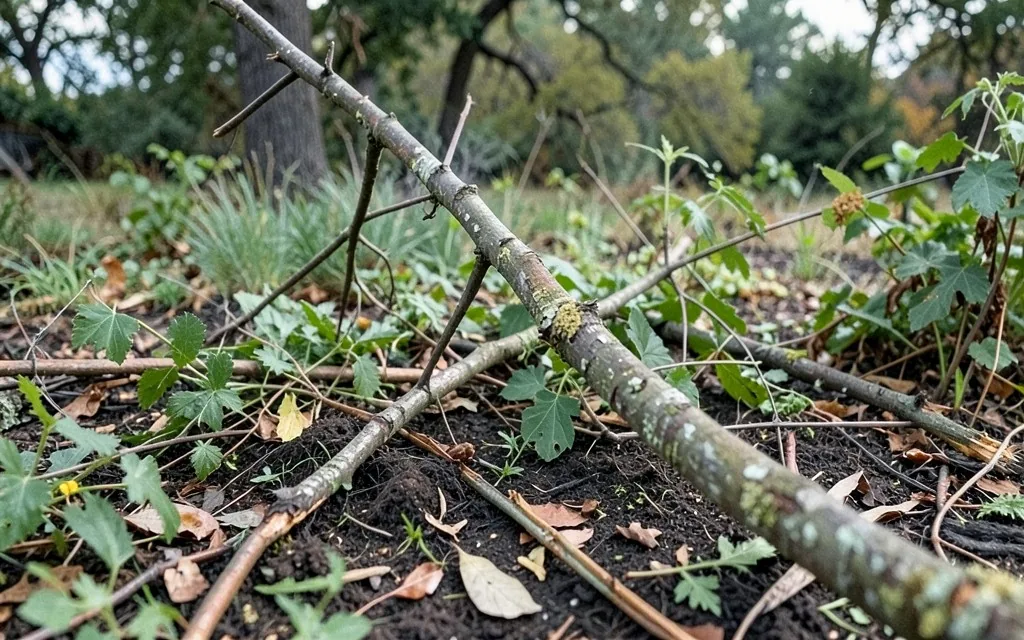
How it runs
Assess, secure, document, clear
Four steps, and the documentation happens before the clearance, not after.
- 01
Rapid assessment
What is still dangerous, what is bearing load, what is hung, and whether any line is involved. Nothing is cut before this is done.
- 02
Make safe
Immediate hazards removed or stabilised, access to the property restored, and unsafe areas cordoned so nobody walks under a hanger.
- 03
Document for the claim
Photographs and written descriptions of every damaged element before it moves, provided to you for your insurer.
- 04
Clear and haul
Trees sectioned and removed, brush chipped, debris hauled and the ground protected while the equipment is on site.
- 05
Assess what is left standing
Remaining trees checked for root-plate lift, cracks and hangers, with anything unsafe identified in writing rather than mentioned at the gate.
- 06
Restore the landscape
Ruts regraded, irrigation repaired, beds rebuilt, turf replaced and replanting scheduled for the right season rather than the day after.
What it costs
What does emergency tree removal cost?
Storm pricing depends on tree size, position and complexity. Both figures are quoted on site before any work starts.
Simple fallen tree removal from $300 – $500
A tree already down in open ground with clear access, sectioned and hauled. The straightforward end of storm work.
Trees on structures or crane work $1,000 – $5,000+
Trunks resting on a roof, fence or pool, or anything needing a crane. Load-bearing removals are engineered sequences, not cutting jobs.
Recent work
Recent storm response
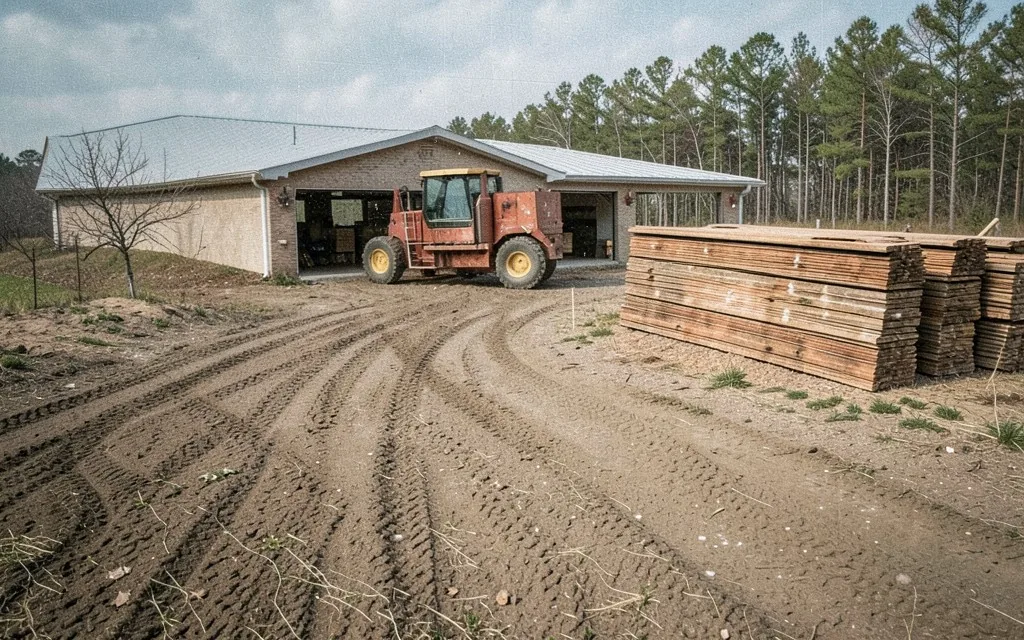
The Woodlands
Loblolly pine across a roof, craned off in planned sections and the roof breach tarped the same day.
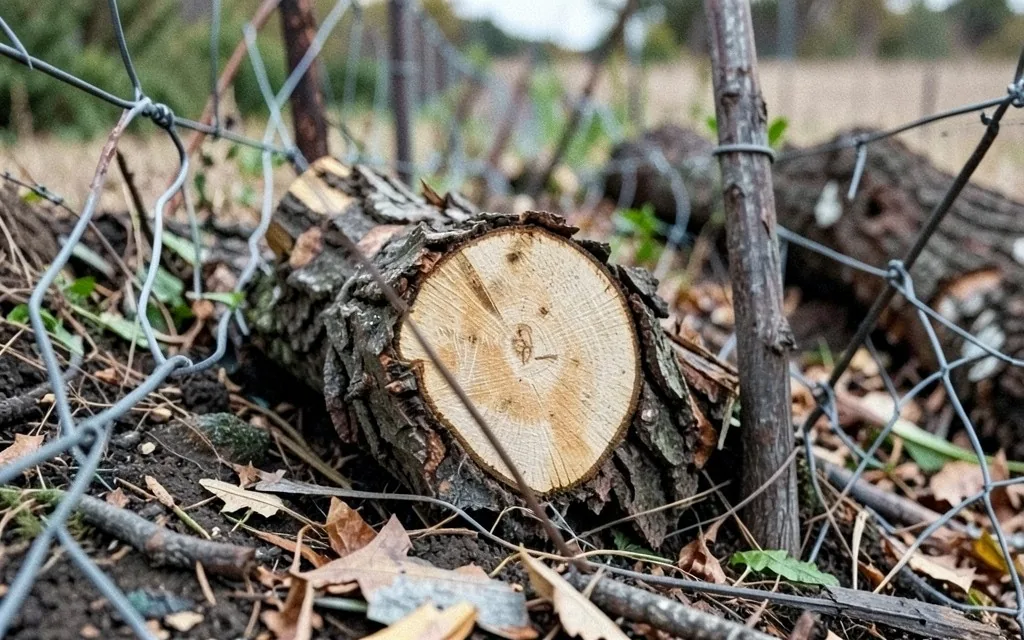
Spring
Mature oak down across a fence line, cleared and documented, fence and beds rebuilt the following month.
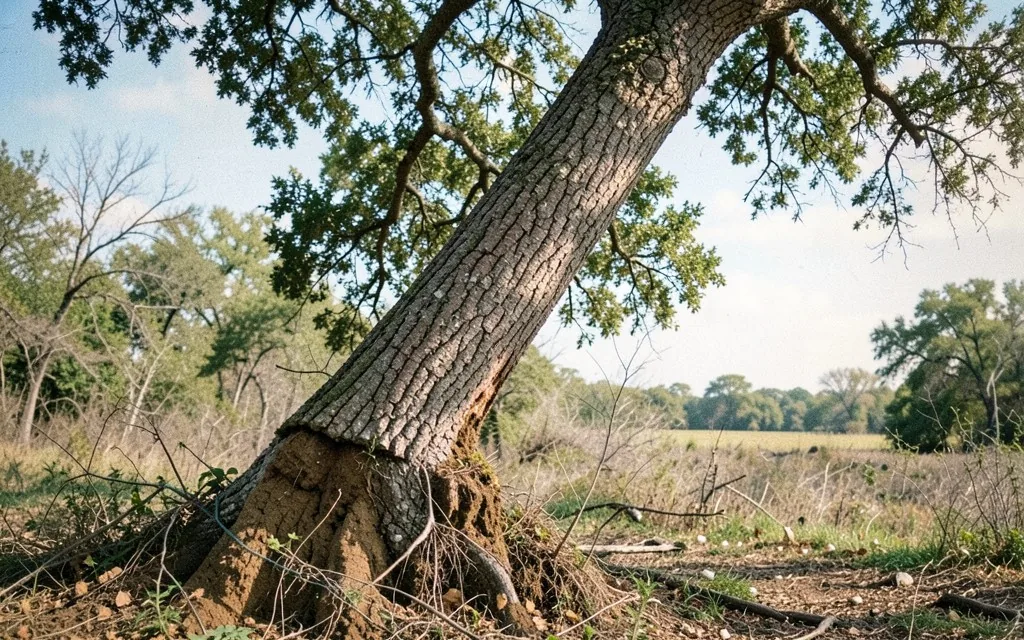
Conroe
A neighbouring tree found with a lifted root plate during assessment and removed before the next system arrived.
Why homeowners choose us
What we do differently
- 01
Safe before tidy
Hazards assessed and made safe before anything is cleared. The tree already down is rarely the dangerous one.
- 02
Documented before moved
Photographs and written damage descriptions before clearance, so your claim rests on evidence rather than recollection.
- 03
Pricing given on site
Upfront pricing before work begins, in writing. Storm work is where opportunistic pricing happens, and we do not.
- 04
The standing trees get checked
Every tree within reach assessed for root-plate lift, cracks and hangers, with findings given in writing.
- 05
Ground protected
Mats and rigging keep heavy equipment off saturated clay. Ruts and severed irrigation are avoidable damage.
- 06
We come back and restore
Beds, turf, irrigation and replanting handled by the same company, in the right planting season.
Questions
Storm damage — frequently asked
How quickly can you respond to storm damage in The Woodlands?
We prioritise by hazard: trees on structures, blocked access and anything involving a power line come first, and we aim to be on those the same day. After a widespread event across Montgomery County, demand exceeds every crew in the county at once, so lower-risk clearance may be scheduled over the following days. Call as early as you can — position in the queue is set by when you call and how dangerous the situation is.
How much does emergency tree removal cost?
It varies with tree size, position and complexity. A simple fallen tree in open ground with clear access starts around $300 to $500. Trees resting on structures or requiring crane work range from $1,000 to $5,000 and up, because those are engineered removals rather than cutting jobs. We give upfront pricing on site before any work begins, in writing.
Do you help with insurance claims for storm damage?
We document, which is the part that matters. Before anything is moved we photograph every damaged element from multiple angles and write a description of what failed and how, and we provide that to you for your claim. We are not adjusters and we do not negotiate settlements. What we can tell you is that the commonest way people reduce their own payout is clearing the debris before it has been documented.
What storm damage services do you provide?
Emergency tree removal including trees on structures, removal of hangers and unstable limbs, debris clearance and hauling, hazard assessment of the trees still standing, and full landscape restoration afterwards — regrading ruts, repairing irrigation, rebuilding beds and replanting. The restoration is scheduled for the right planting season rather than immediately, which is usually the better outcome.
What should I do before you arrive?
Keep everyone away from any tree touching a power line and report it to the utility. Photograph everything before you move it. Stay out from under any canopy holding a broken limb. Tarp a roof breach to stop further water damage, but leave structural repair. Open your insurance claim. Small loose brush is safe to move; anything under tension or bearing load is not.
Can I cut up the fallen tree myself?
We would strongly advise against it on anything substantial. A fallen trunk holds enormous stored tension and a cut in the wrong place releases it instantly — chainsaw injuries peak in the days after a storm, not during it. Add saturated ground, unfamiliar equipment and fatigue and the risk compounds. Loose brush on the ground is fine. Anything under load, hung in a canopy, or near a line is not a homeowner job.
Will my other trees be at risk?
Often, and it is the part that gets overlooked while everyone looks at the tree on the ground. A storm that fells one tree usually loosens others: root plates lift, trunks crack, limbs break and lodge in canopies. Those come down in the next system, frequently onto the repair that was just finished. We assess every tree within reach of the property before we leave and put anything unsafe in writing.
Do you work at night or on weekends?
For genuine emergencies, yes — a tree on a house or blocking the only access does not wait for a weekday. Night work is limited to what can be done safely under lighting, which usually means stabilising and securing rather than full removal. Non-urgent clearance is scheduled in daylight, because rigging a large tree in the dark adds risk without saving anything.
What happens to the debris?
Brush and limbs are chipped on site, and the chips can stay as mulch for paths or be hauled away — your choice, and it affects the price. Trunk wood is cut and removed, or left cut to length if you want firewood, which many people do after losing a mature oak. Everything is hauled to a licensed disposal or recycling facility rather than left at the kerb.
Which trees fail most often in a Gulf storm here?
Loblolly pines, by a wide margin. They are shallow-rooted, tall and top-heavy, and Montgomery County is full of them. Saturated Beaumont clay loses its grip on the root plate, and a sustained wind then levers the whole tree over rather than snapping it — which is why so many failures here come out of the ground intact. Trees that were recently isolated by clearing are the most vulnerable, because they grew up sheltered by neighbours that are no longer there.
Can you replant what was lost?
Yes, and the gap a mature tree leaves is usually the part people feel longest. We handle the restoration — regrading ruts, repairing irrigation, rebuilding beds, replacing turf and replanting. Replanting is scheduled for the right season rather than the week after the storm, because a tree planted into hot dry soil in August is a tree planted twice.
Where we work
Storm response across North Houston
We respond across Montgomery County and into North Houston — The Woodlands, Spring, Conroe, Magnolia, Tomball, Willis and Montgomery. Loblolly pines and saturated clay are the local combination, and it is why root-plate failures are so common here.
Often specified alongside: tree removal, tree pruning and trimming, stump grinding, grading and dirt work, lawn drainage.
Start here
Call before you cut
Tell us what is down and what is still standing. We prioritise by hazard, quote on site in writing, and document everything before it moves.