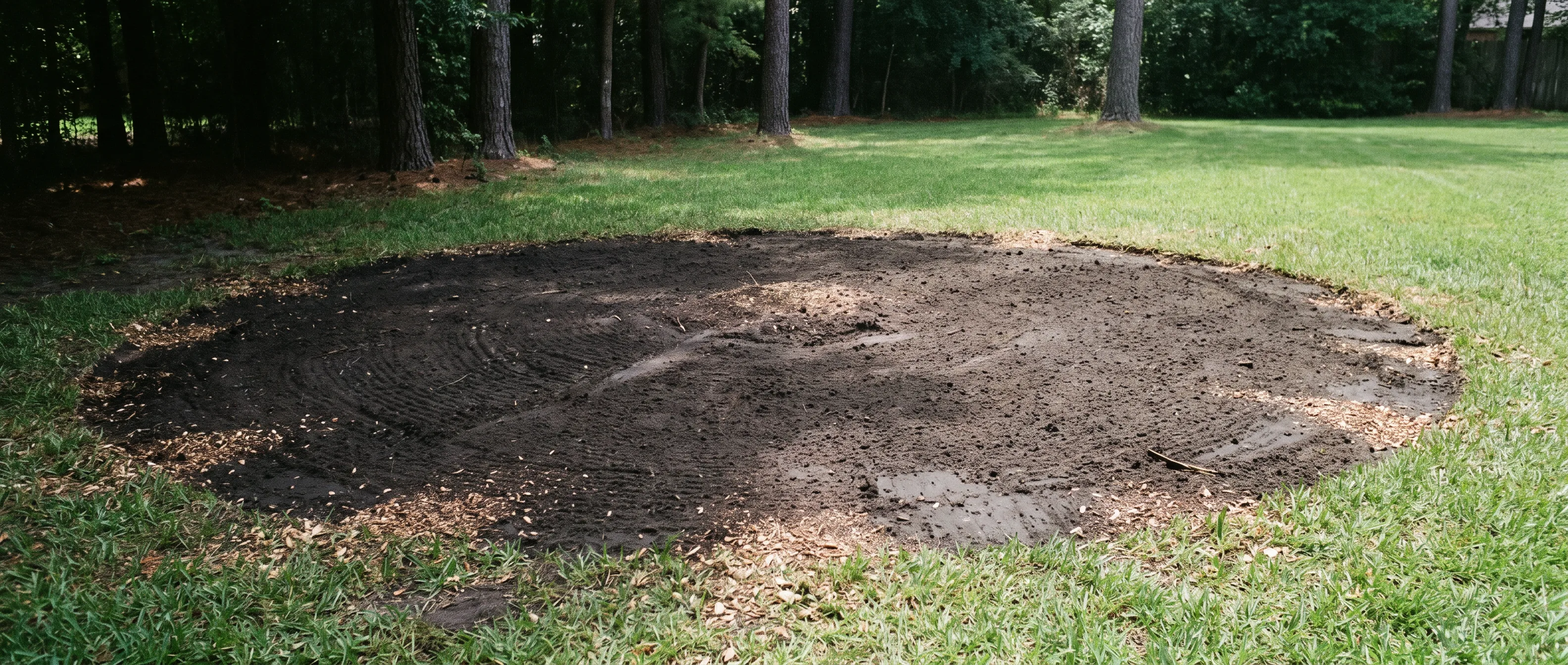

Stump Grinding in The Woodlands and Spring, TX
Stump and surface-root removal across The Woodlands, Spring and Conroe — ground deep enough to turf or plant over, with the chips taken away or left as mulch.
Stump grinding depth is the only thing that decides whether you can use the ground afterwards. Six inches is enough to lay turf over; twelve to eighteen is what planting a shrub or running an irrigation line needs. Boone's grinds to the depth the intended use requires rather than to a standard pass, takes out the surface roots in the grinding radius, and backfills so the area settles level rather than sinking into a depression.
The other question people ask is what happens to the roots you cannot see. What follows is the honest answer, plus what it costs, how long it takes, and when a stump is genuinely worth leaving.
What we build
What actually varies between one job and the next?
Access, depth and what happens to the arisings. Grinding itself is quick — these are the variables that decide how a job runs.
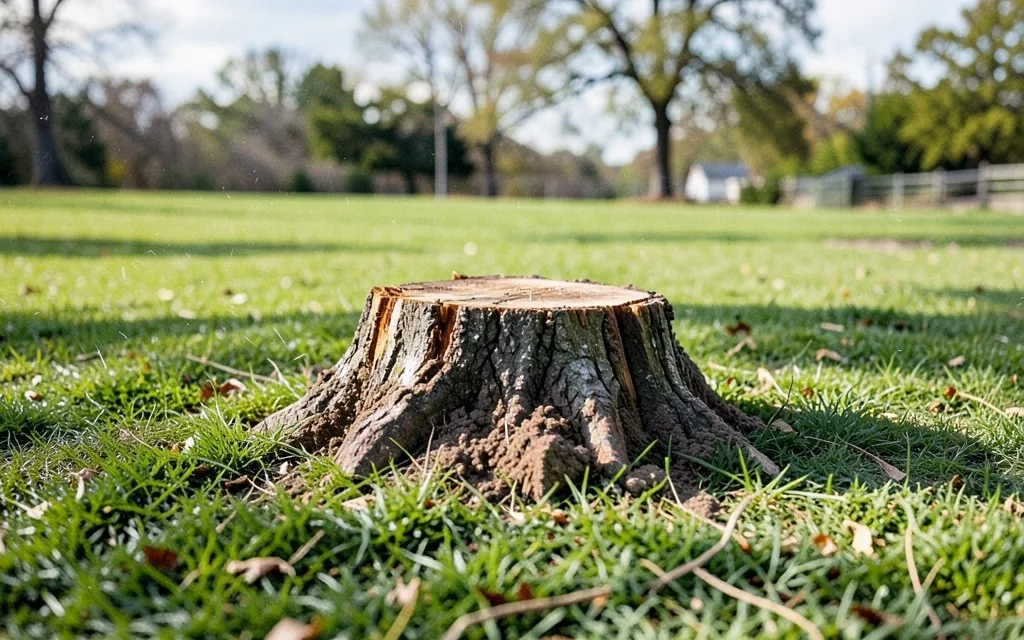
Standard stump grinding
The stump ground below grade across its full diameter, with the visible flare taken out rather than just the top. Enough to turf over and forget about, which is what most people want.
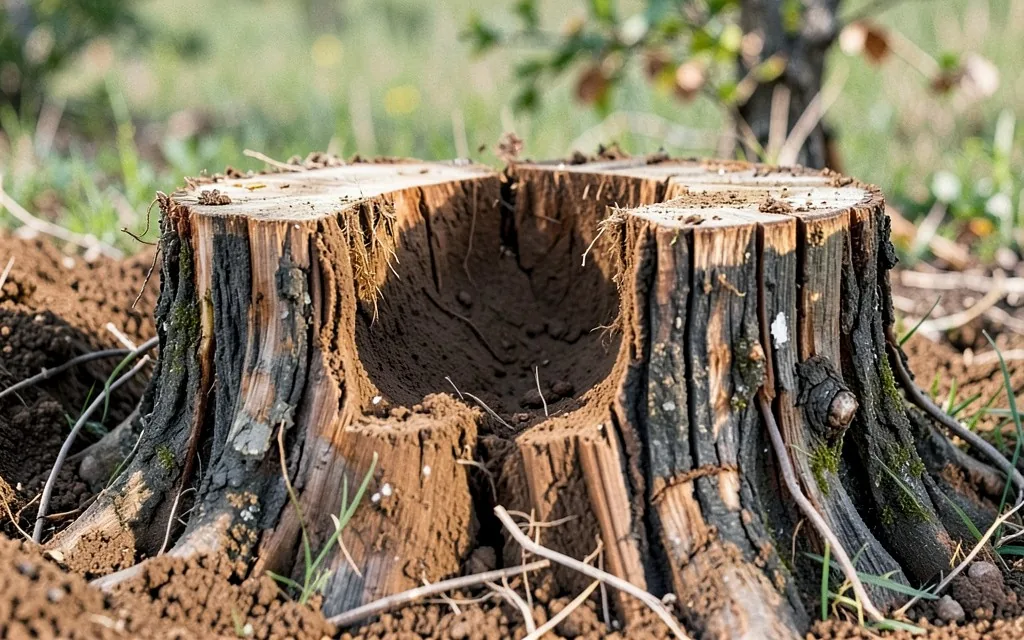
Deep grinding for planting
Twelve to eighteen inches down where a shrub, a tree or an irrigation run is going into the same spot. Deeper grinding costs more and it is the difference between planting there and not.
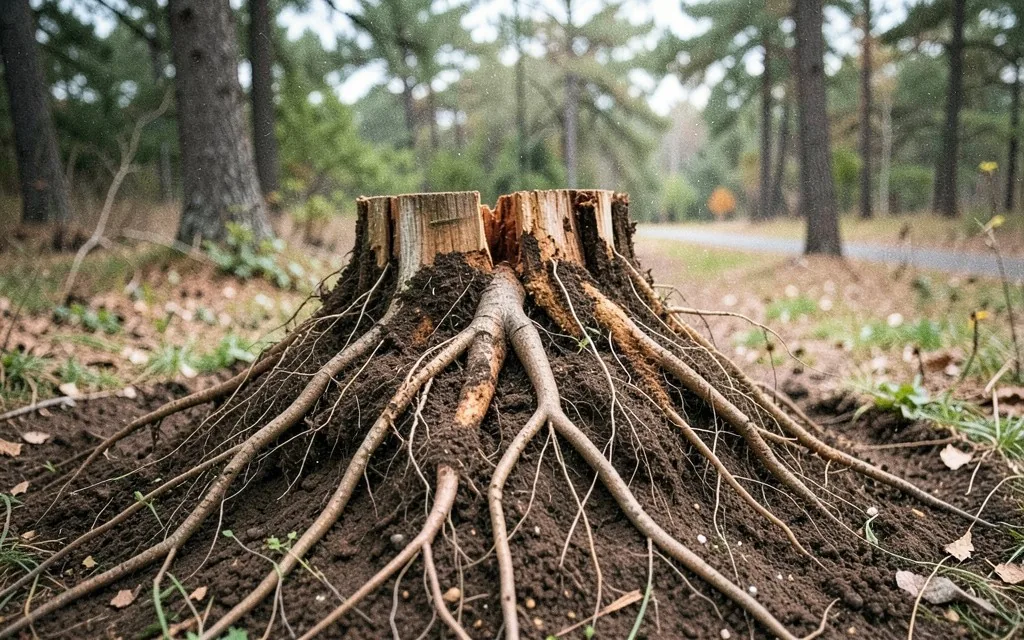
Surface root removal
The radiating roots that lift turf and paving taken out alongside the stump. On loblolly pines these often cause more nuisance than the stump itself and are frequently left behind by cheaper quotes.
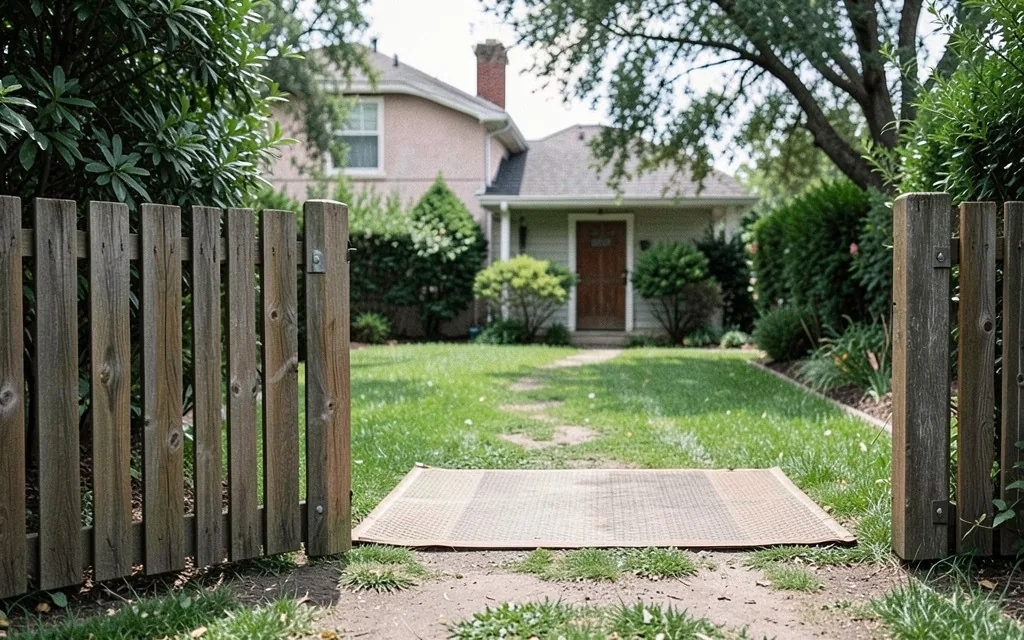
Tight-access grinding
Narrow-track machines that fit through a standard side gate for back-yard stumps. Access is the single biggest factor in what a stump costs, and a gate width decides it.
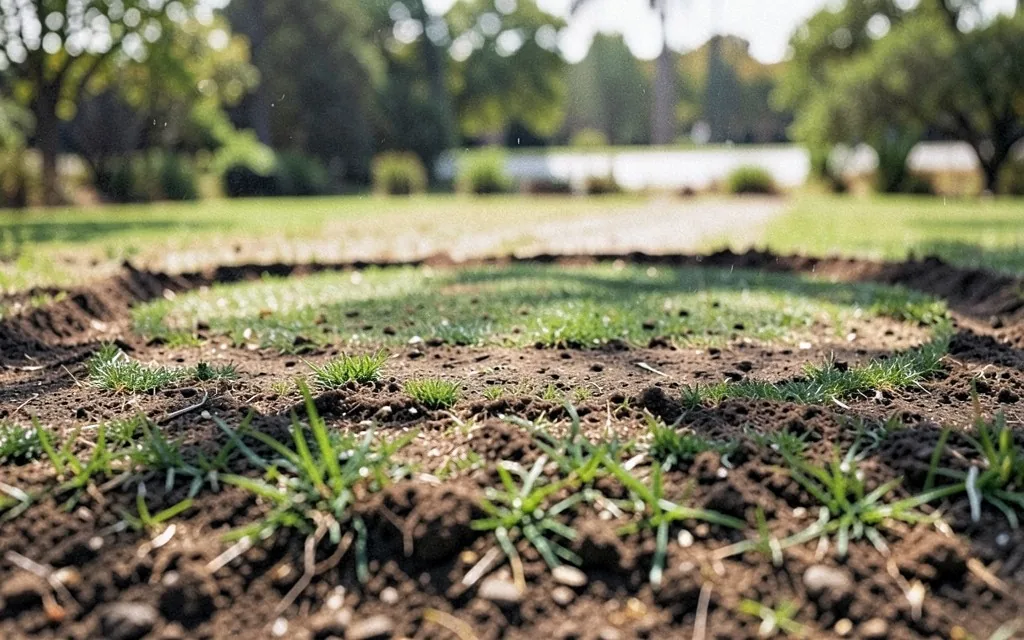
Backfill and restoration
The cavity backfilled with a soil and chip mix or with clean topsoil where you are replanting, compacted and finished level so the area does not sink into a hollow over the following months.
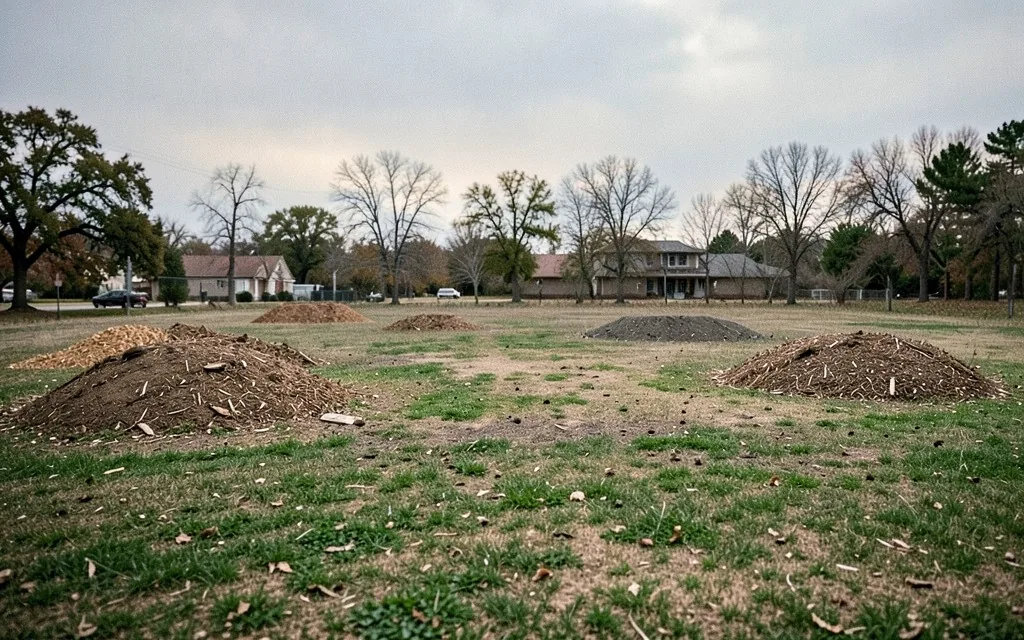
Multiple stumps and lot clearance
Whole-lot grinding after a clearance, priced as a job rather than per stump. Considerably cheaper per unit than calling us back for each one individually.
Local conditions
What goes wrong with cheap stump grinding?
Five things, and all five are visible within a year of the work.
Ground too shallow to use
CauseA single shallow pass takes the top off the stump and leaves the mass below grade. Turf over it thins, and anything you try to plant hits wood.
FixGrinding depth set by what the ground is for. Six inches for turf, twelve to eighteen where planting or irrigation is going in. We ask before we start rather than after.
The area sinks months later
CauseThe cavity backfilled with pure grindings. Wood chips decompose and lose volume, so what was level at handover becomes a visible hollow by the following season.
FixBackfill with a soil-weighted mix, or clean topsoil where replanting, compacted in layers and finished slightly proud so it settles level rather than low.
Surface roots left in place
CauseOnly the stump is ground and the radiating roots are left. On a pine those are what lift the lawn and the paving, so the original nuisance remains.
FixSurface roots within the grinding radius taken out with the stump. It adds time and it is the part that actually stops the problem recurring.
Grindings spread into planting beds
CauseThe chips raked into the nearest bed because it is the quickest way to make the site look tidy. Wood chip decomposing in a bed pulls nitrogen out of the soil exactly where shallow-rooted plants need it, and stump grindings are coarse and acidic on top of that.
FixChips left in a pile for you, spread on paths and woodland margins where the nitrogen draw does not matter, or hauled away. Never dug into a planting bed as a substitute for mulch.
Damage getting to the stump
CauseA full-size machine driven across turf, beds and a paver path to reach a back yard, leaving ruts and cracked units behind it.
FixNarrow-track machines through gates, ground protection mats over turf and boards over paving. We check the access route at quoting so this is priced, not improvised.
Specification
What actually decides the price?
Five factors, and diameter is only one of them: species, access route, required depth, what happens to the chips, and how many stumps go in one visit.
Diameter and species
Measured across the stump at ground level including the flare, not the trunk higher up. Dense hardwood takes longer than pine of the same size, and hardwood dulls teeth faster, which is a real cost.
Access route
A stump beside the drive and a stump behind a 36-inch gate are different jobs on the same tree. Gate width, steps and slope decide which machine can be used and therefore how long it takes.
Required depth
Sodding over needs less than planting into. Deep grinding is more passes and more spoil, so telling us the intended use at quoting stage gets you the right number rather than a revisit.
What happens to the chips
Left on site as mulch costs nothing and is genuinely useful material. Hauled away is a disposal charge and often a second vehicle. Grindings are acidic and coarse, so they suit paths and woodland margins better than beds.
How many stumps at once
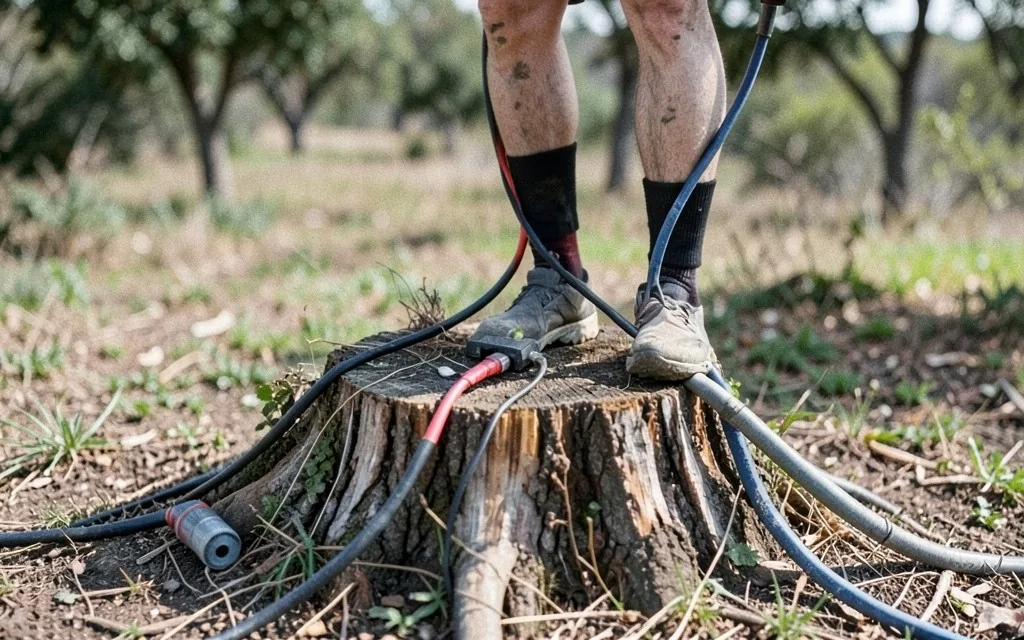
Most of the cost of a small job is mobilizing the machine and protecting the route in, and that is paid once whether you grind one stump or eight. Grouping stumps into a single visit is the cheapest lever available on this service, and it is worth waiting a two weeks for.
How it runs
What happens before the grinder ever starts spinning?
Locating services does — ten minutes that prevents the one mistake that turns a small job into a large one. Then it's protect, grind and restore.
- 01
Measure and check access
Diameter at ground level including the flare, gate widths, slope and the route in. This is what the price is built from.
- 02
Locate services
Irrigation mains, low-voltage lighting cable, gas and septic lines identified and marked before anything spins. A grinder finds an unmarked irrigation main instantly.
- 03
Protect the route
Ground mats over turf, boards over paving, and beds fenced where the machine has to pass close to them.
- 04
Grind to the agreed depth
Stump taken out across its full diameter and surface roots removed within the grinding radius, to the depth the intended use requires.
- 05
Backfill and level
Cavity filled with a soil-weighted mix or clean topsoil, compacted in layers and finished slightly proud to allow for settlement.
- 06
Clean-up and walkthrough
Chips removed or spread as mulch, the area raked, and a walkthrough so you can see the finished level before the crew leaves.
What it costs
What does stump grinding cost in The Woodlands?
Ranges for Montgomery County. Access and required depth move these numbers more than diameter alone.
Small stump, good access $100 – $150
Up to roughly 12 inches across, reachable from the drive or an open side. Usually completed inside an hour including backfill.
Medium stump $150 – $250
Roughly 12 to 24 inches across. The most common single-stump job on a Montgomery County lot.
Large stump or restricted access $250 – $350
Over 24 inches, dense hardwood, or a rear yard reached only through a standard gate requiring a narrow-track machine.
Typical overall range $100 – $400
Most stump work sits here. Deep grinding for replanting, extensive surface-root removal or chip haulage push towards the upper end.
Rates reviewed 2026-09-03. Every project is priced in writing after a site visit; these bands are what recent work has landed in, not a quote.
Recent work
Where have we ground stumps recently in Montgomery County?
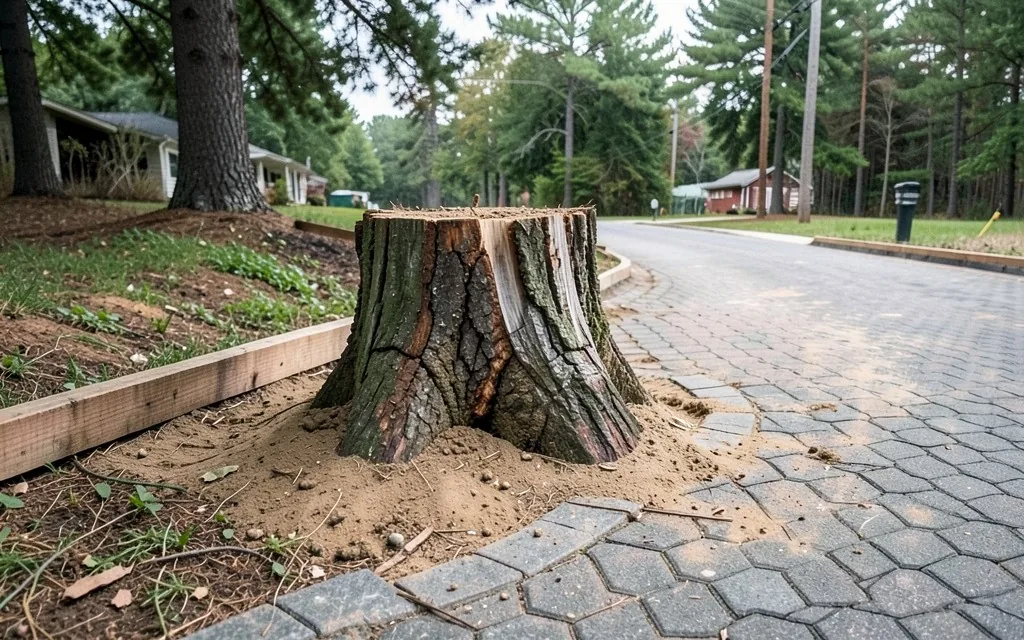
The Woodlands
A large pine stump beside a paver drive, ground deep for replanting with the paving boarded over throughout.
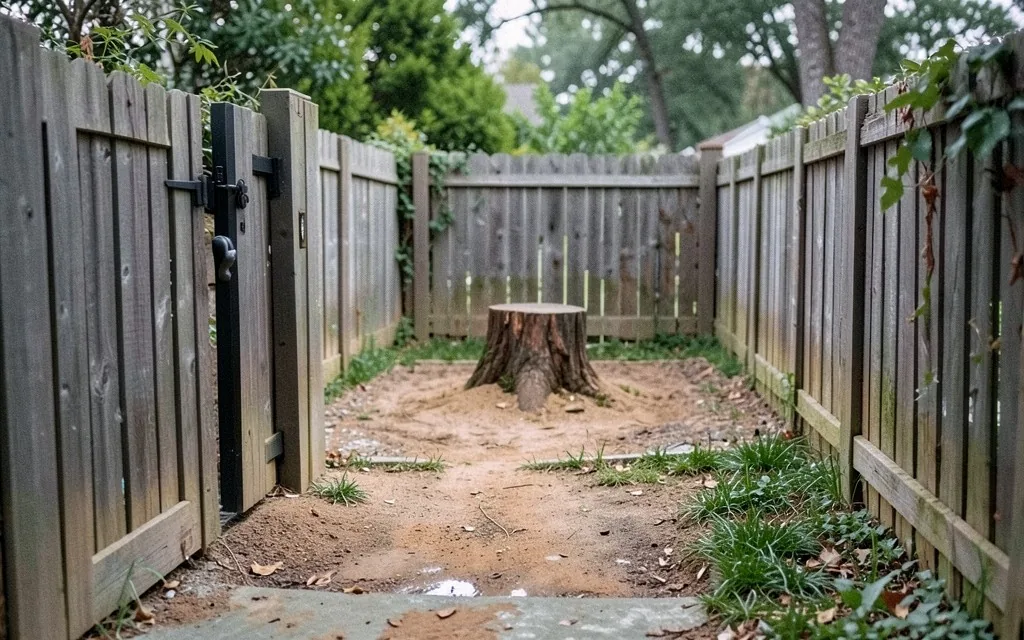
Conroe
Rear-yard stump reached through a 36-inch gate with a narrow-track machine, turf matted on the route in.
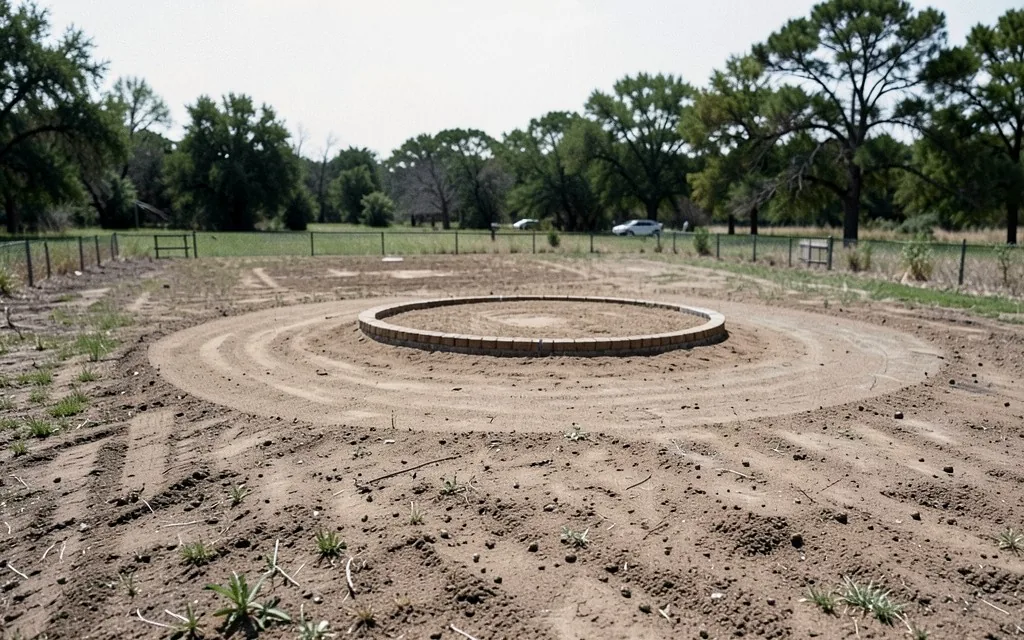
Willis
Eleven stumps ground across a cleared lot as one job, backfilled and leveled ready for turf.
Why homeowners choose us
Why our grinding leaves usable ground
- 01
Depth set by intended use
We ask what the ground is for before we start. Turf and planting need very different depths and only one of them is a standard pass.
- 02
Surface roots taken too
The radiating roots that lift lawn and paving come out within the grinding radius, not just the stump itself.
- 03
Backfilled to settle level
Soil-weighted fill compacted in layers and finished proud, so the area does not become a hollow once the chips break down.
- 04
Services located first
Irrigation, lighting cable, gas and septic marked before anything spins. It takes ten minutes and prevents the expensive mistake.
- 05
Access protected
Narrow-track machines through gates, mats over turf, boards over paving. Rutted lawns are avoidable and we avoid them.
- 06
Priced separately from removal
Quoted as its own line rather than folded into a tree removal, so you can see what it costs and decide.
Questions
Stump grinding — frequently asked
How much does stump grinding cost in The Woodlands?
A small stump with good access runs $100–$150, a medium one $150–$250, and a large or restricted-access stump $250–$350. Most jobs sit within an overall $100–$400 range. Access is often a bigger factor than diameter: the same stump costs more behind a 36-inch gate than beside the driveway, because it decides which machine can reach it.
How deep do you grind stumps?
It depends on what the ground is for, and we ask before starting. Six to eight inches below grade is enough to lay turf over. If you want to plant a shrub or tree in the same spot, or run irrigation through it, we grind twelve to eighteen inches. Deeper grinding takes longer and produces more spoil, so it costs more — but a shallow grind under a planting hole is money wasted.
Will grinding kill the remaining roots?
It removes the stump and the surface roots within the grinding radius, and the rest of the root system dies because it has no crown to feed it. Those roots then decay in place over several years. For most species that is the end of it. A few — notably some ornamentals — can throw suckers from remaining roots for a season or two, and we will tell you if yours is one.
What happens to the wood chips?
Your choice, and it affects the price. Left on site they are useful mulch for paths and woodland margins, and they cost nothing. Hauled away is a disposal charge and sometimes a second vehicle. Worth knowing: grindings are acidic and coarse and will tie up nitrogen as they break down, so they are better on paths than dug into a planting bed.
Can you grind stumps in tight spaces?
Yes. We run narrow-track machines that pass through a standard 36-inch side gate, which covers most rear yards here. Where even that will not fit — an enclosed courtyard, or a stump between a fence and a wall — hand removal is possible but considerably more expensive, and we will tell you that at the quote rather than on the day.
How long does it take?
Most single stumps are 30 minutes to two hours including backfill and clean-up. A large hardwood or a deep grind for replanting can take half a day. Multiple stumps on a cleared lot are quicker per stump because the machine and the protection are already on site, which is why doing them together is cheaper.
Will the ground sink afterwards?
Not if it is backfilled properly, and this is the most common complaint about cheap stump work. Filling the cavity with pure grindings looks level on the day and becomes a visible hollow within a season as the wood decomposes. We backfill with a soil-weighted mix, compact it in layers and leave it slightly proud so it settles to level rather than below it.
Can I plant a new tree in the same spot?
Yes, with deep grinding and the right backfill. We grind twelve to eighteen inches, remove the grindings from the planting hole rather than backfilling with them, and fill with clean topsoil. Planting directly into wood chip is the usual reason a replacement tree struggles — the decomposing wood ties up nitrogen exactly where the new roots need it.
Do you need to locate utilities first?
Always, and we do it as standard. Irrigation mains, low-voltage lighting cable, gas lines and septic components are all commonly within a meter of a stump on a landscaped lot. A grinder finds an unmarked irrigation main immediately and expensively. Ten minutes of locating and marking prevents the one mistake that turns a $200 job into a repair.
Is it cheaper to grind several stumps at once?
Considerably, per stump. Most of the cost of a small job is getting the machine to the property and protecting the access route, and that is paid once whether you grind one stump or eight. If you have several, or you are having trees removed, have the grinding quoted for all of them together.
Can you grind a stump left by someone else's tree removal?
Yes, regularly. Plenty of homeowners have a stump left over from a removal done years ago by another company, a storm, or work done before they bought the property. We measure it the same way — diameter at the flare, access, intended use — and quote it exactly as we would our own. There is no discount or penalty either way; the price is set by the stump in front of us, not by who took the tree down.
Will you grind a stump before I have decided what to plant there?
Yes, but it is worth a five-minute conversation first. Grinding to six inches for turf costs less than grinding twelve to eighteen for a shrub or a small tree, and re-grinding a spot that was already backfilled is more expensive than doing it right the first time. If you are not sure yet, tell us that at the quote and we will grind to the deeper standard so the ground is ready for either choice.
Can grinding damage nearby trees or their roots?
Handled correctly, no. We grind within the stated radius of the target stump and stop short of any retained tree's root plate rather than working blind. The real risk is not the grinder itself but a machine driven too close while maneuvering, which is why access is planned before the wheel ever turns near a tree you are keeping. Tell us at the quote which nearby trees or beds are not to be touched and we plan the route around them.
Where we work
Stump grinding across North Houston
Core service area is Montgomery County, and we grind stumps across North Houston into Harris and Walker County. Access is the first question we ask on the phone, because on stump work it decides both the machine and the price.
Often specified alongside: tree removal, tree pruning and trimming, storm damage response, land clearing and dirt work, sod installation.