

Lawn Pest Control in The Woodlands, Spring and Conroe
Lawn Pest Control in The Woodlands, Spring and Conroe begins on hands and knees at the edge of the brown patch, because chinch bug, grubs, brown patch fungus and drought all kill St. Augustine the same color and want four different treatments. One treatment a visit, and the wrong one three times costs a lawn.
Since 2010 · Own crews · Identified before treated · The Woodlands, Spring, Conroe, Montgomery
What kills the lawn
Four things that look identical from the porch
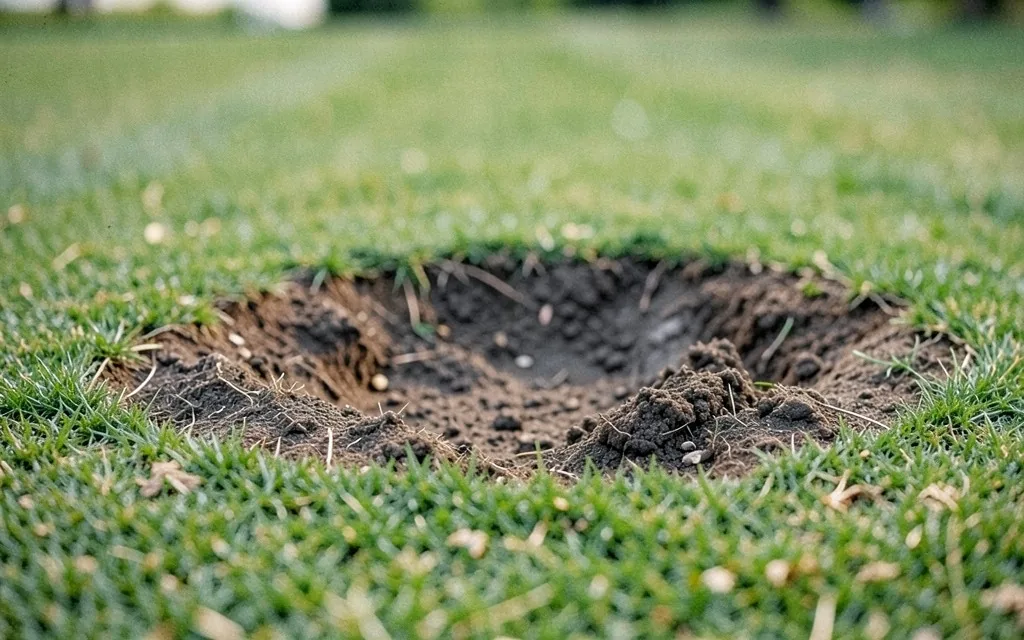
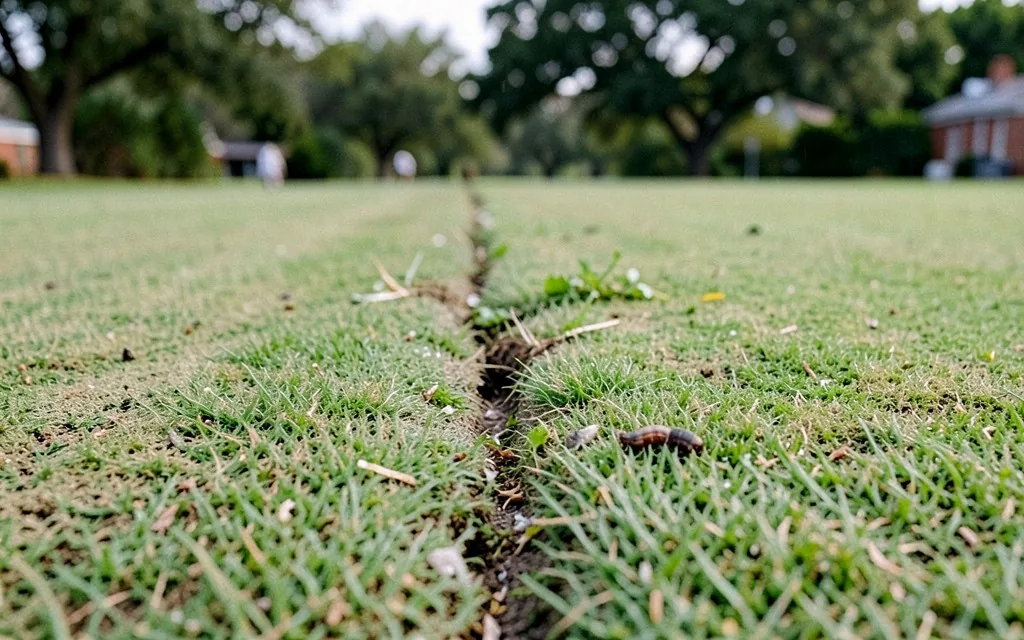
A brown patch in a Sterling Ridge or Gleannloch Farms lawn in July is one of four things: chinch bugs on the hot strip by the drive, white grubs eating the roots so the turf lifts like a rug, brown patch fungus spreading in a smoky ring after a wet week, or the irrigation simply not reaching that corner. The photographs above are those tells up close — nymphs on a stolon, grubs under lifted turf, the boundary of a fungus ring — and each one gets a different product, or none.
A lawn care program uses this alongside the rest, across a year. The crew on the lawn every week under maintenance usually spots the patch first; a lawn that is wet enough to grow fungus every summer wants drainage more than fungicide; and a patch that has already died is repaired with sod once the cause is gone.
What fails
Why lawns get treated three times and still die
The four mistakes we inherit most, and what identifying first does instead.
Sprayed for bugs when it was fungus
CauseInsecticide on a brown patch ring after a week of rain. The fungus keeps spreading while the product does nothing.
FixThe edge of the patch checked: a smoky ring and grass that pulls free at the base is fungus, treated with a fungicide and less water.
Watered for drought when it was chinch bug
CauseMore minutes on the sunny strip by the concrete. The bugs keep sucking and the wet makes it worse.
FixStolons parted at the boundary to find the nymphs, then an insecticide labeled for chinch bug, applied to the edge outward.
Grubs found after the turf lifted
CauseRoots eaten through the summer; by fall the sod rolls up like carpet and the raccoons dig for the grubs.
FixTurf lifted at the boundary in early summer to count grubs per square foot, and a curative applied while it still matters.
Fire ant mounds treated one at a time
CauseMound drenches that move the colony ten feet. The lawn is never clear.
FixBroadcast bait across the whole lawn, so the colonies take it back to the queen.
The pests
What we treat, and how each is told apart
Five problems, five tells, five different answers.
Chinch bug
Hot, sunny turf by concrete, drying from the tip. Nymphs visible on stolons at the soil line. Insecticide from the edge outward.
White grubs
Turf lifts with no roots, birds and raccoons digging. Counted under lifted turf; curative applied in summer.
Brown patch and take-all
Smoky rings after wet weather, grass pulling free at the base. Fungicide and a change to the watering.
Fire ants, armyworms, mosquitoes
Broadcast bait for ants; armyworm treated the day the advancing edge is seen; mosquitoes reduced at the standing water that breeds them.
Method
Inspect, identify, treat, verify
The product is the last step, and sometimes there is none.
- 01
Inspect the boundary
The edge of the damage, not the middle: stolons parted, turf lifted, thatch and root zone exposed.
- 02
Identify by name
Chinch bug, grub, fungus, armyworm, fire ant or dry corner, with the tell photographed for the report.
- 03
Treat what it is
The labeled product for that pest, at the rate and the timing it needs, or a change to watering where that is the cause.
- 04
Verify
Back at the boundary a week or two later to confirm the edge has stopped moving.
- 05
Prevent
Pre-emergent timed to soil temperature, mowing height held, watering set so the lawn is not wet at night.
Cost
What decides the number
The product and the lawn size move the price.
Aeration, treatments and repairs
Per visit, by product and area: insect, fungus, grub or fire ant treatment.
Inspection with the visit included
Identification at the boundary before any product is applied.
Fertilization and weed program
Pre-emergent and feeding timed to the soil, on the lawn care page.
Sod repair after by the pallet
Dead patches replaced once the cause is confirmed gone.
The most expensive treatment is the one for the wrong pest.
On site
Recent inspections and treatments
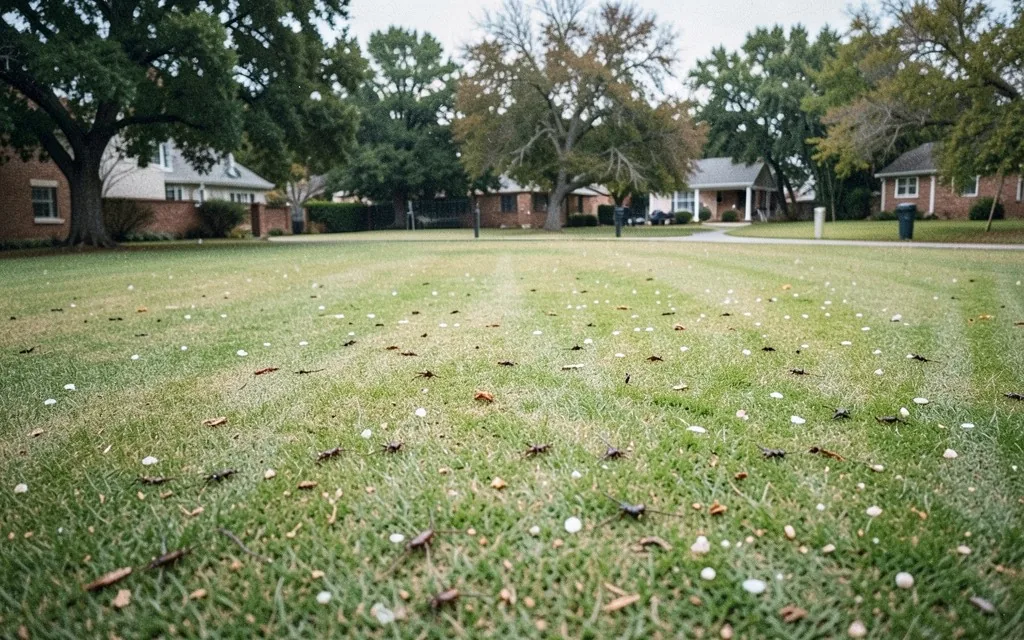
Broadcast bait spread across a lawn for fire ant control
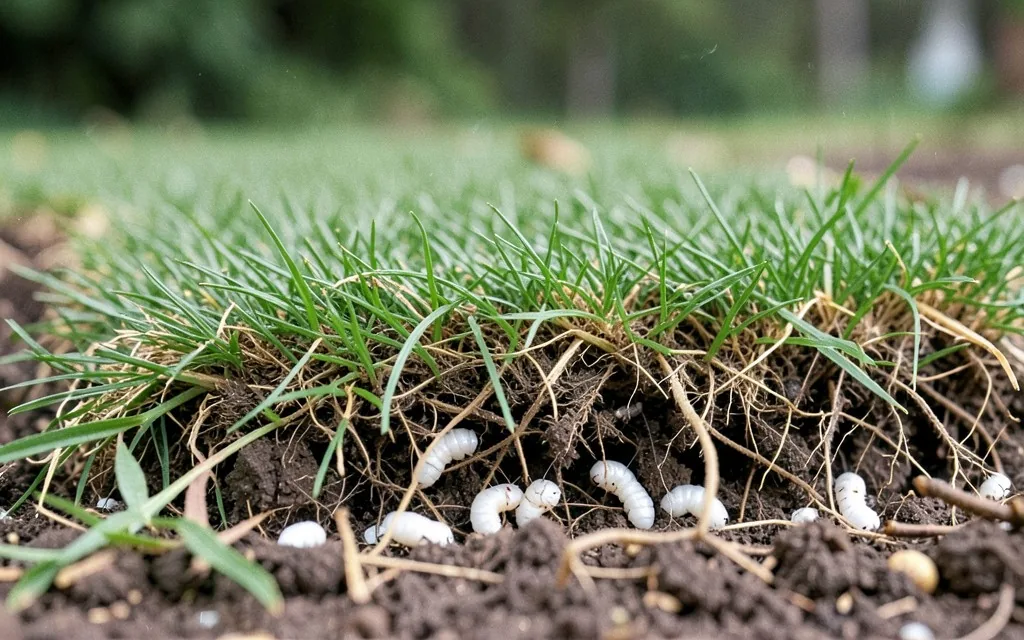
Turf pulled back to reveal white grubs at the root layer
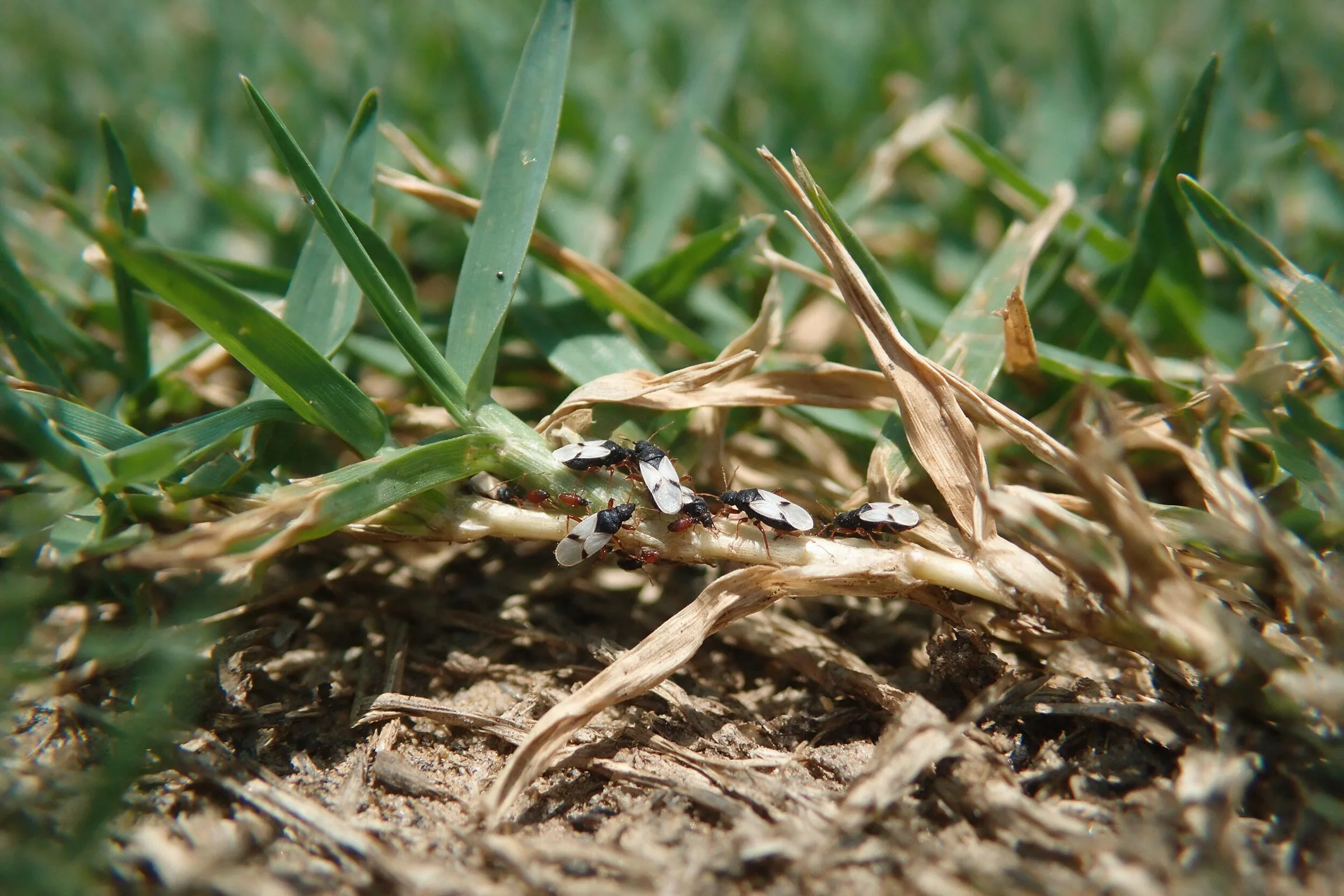
Chinch bugs and nymphs on a St. Augustine stolon at the soil line
Barrier treatment applied to a shaded shrub understorey
Sudden armyworm defoliation along an advancing edge
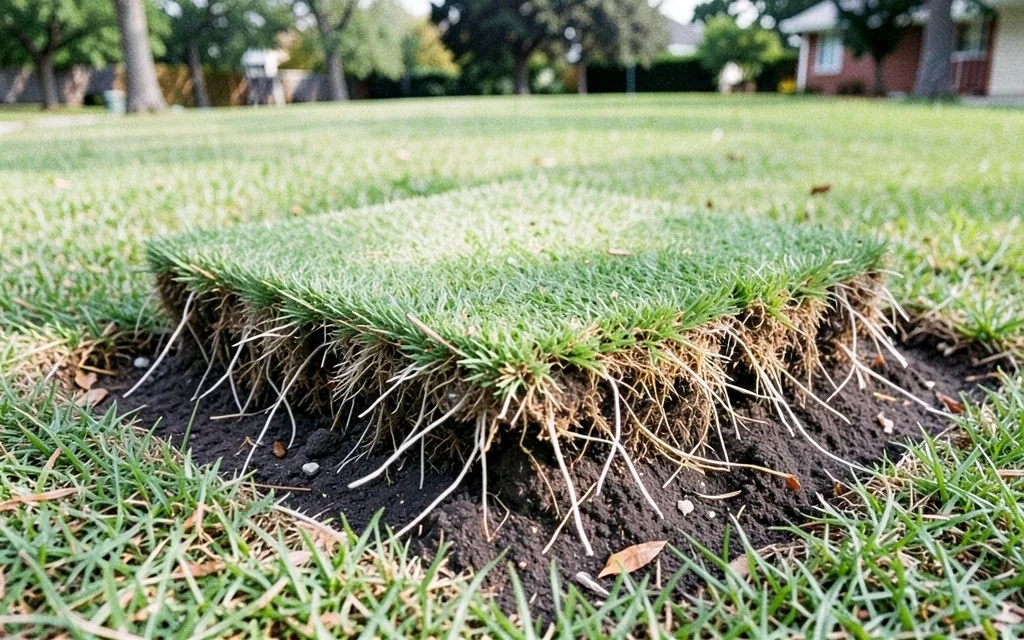
Turf sample lifted to expose the root zone and thatch
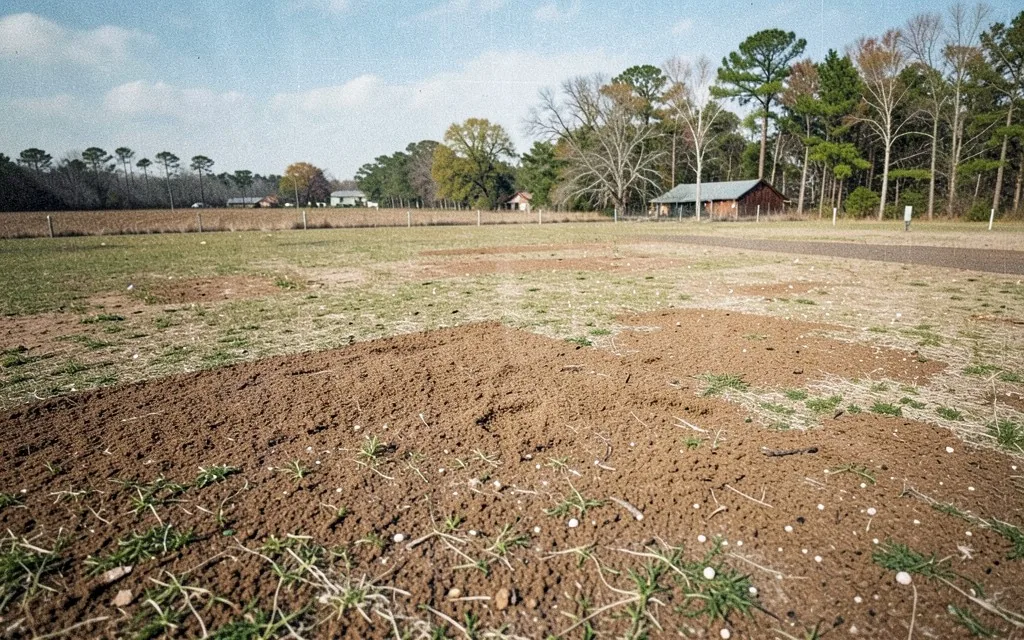
Fire ant bait applied across a large property
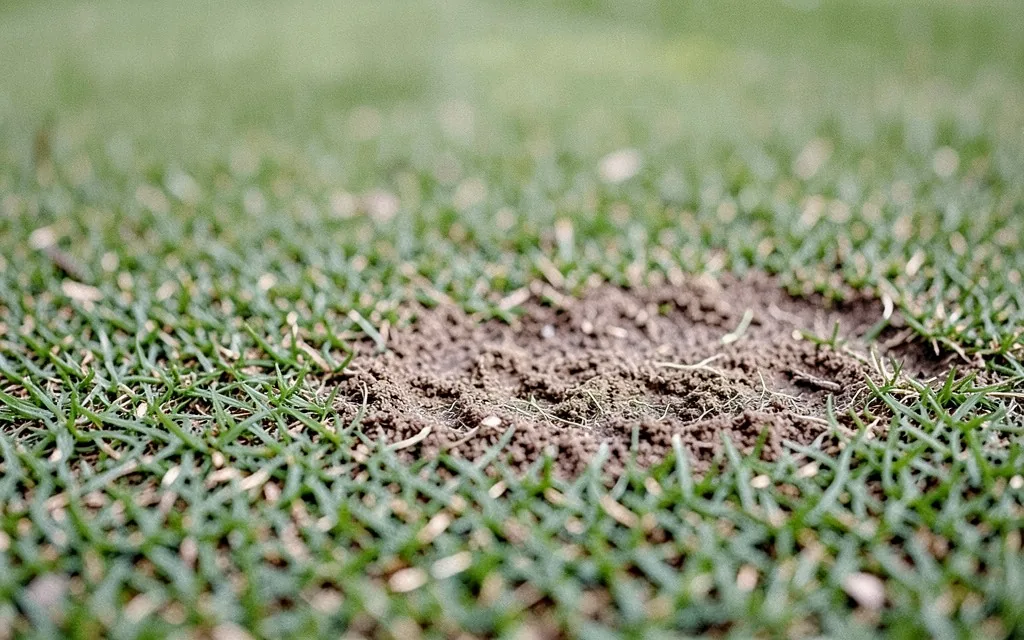
The boundary of a brown patch area, inspected up close
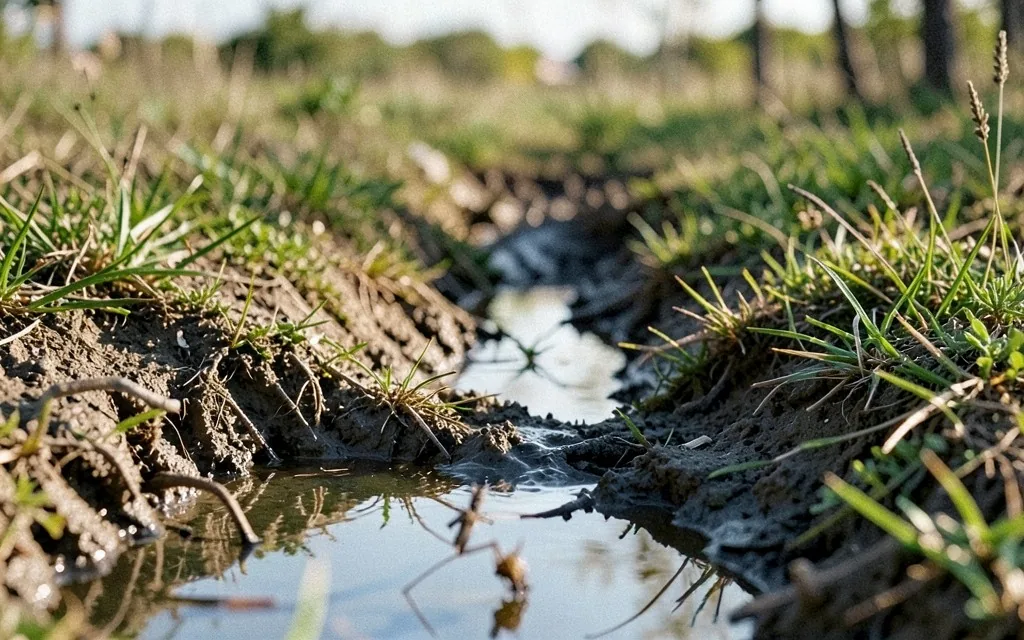
Mosquito source reduction at a drainage low point holding water
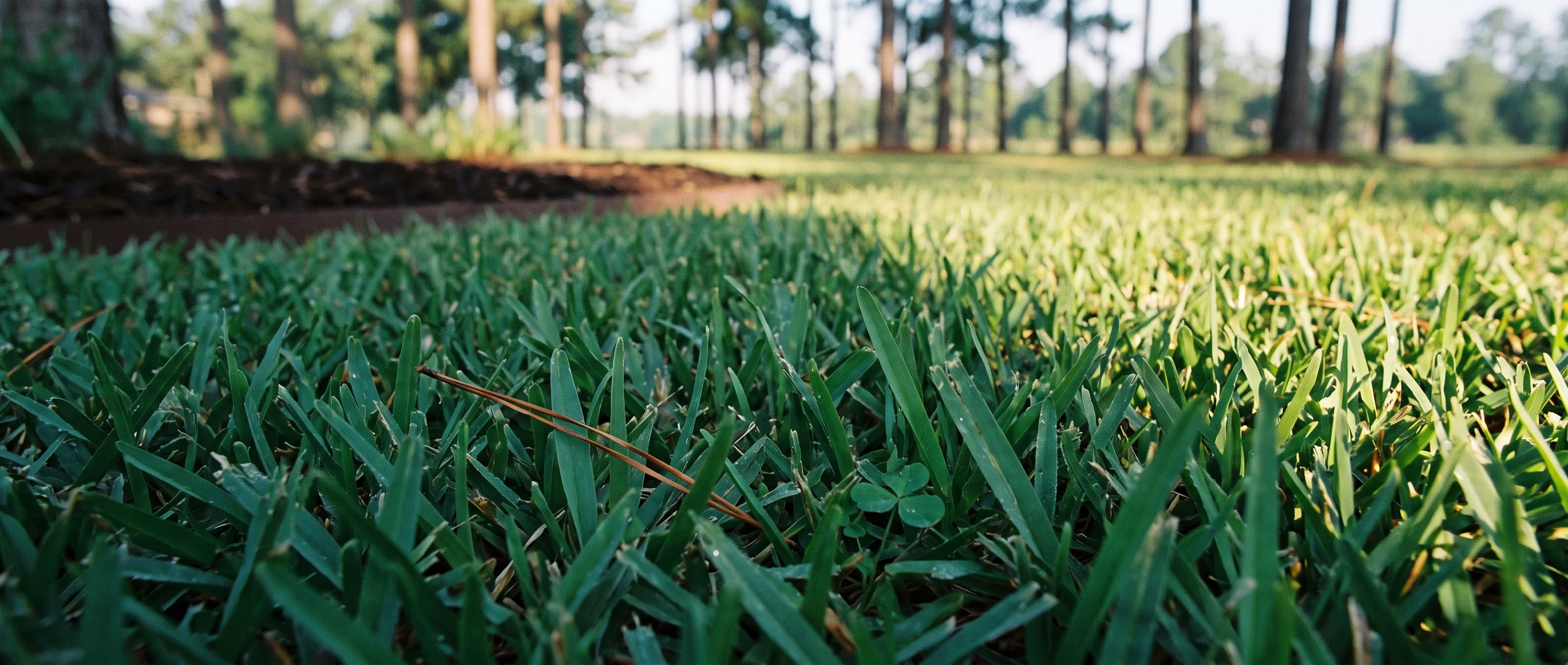
Healthy, uniform lawn at ground level
Questions
Questions
What is killing my St. Augustine?
One of four things: chinch bug on the hot sunny strip, grubs under turf that lifts, brown patch fungus in a smoky ring after rain, or a corner the irrigation misses. We look at the boundary before anything is applied; the treatments are different and two of them are not a spray.
What does a treatment cost?
a visit depending on the product and the lawn size, with identification included. A fertilization and weed program that prevents most of it is a year.
Do you offer organic options?
For fire ants and some insects, yes, and cultural fixes — mowing height, watering timing, drainage — are the first answer for fungus. Where a curative is the only thing that saves the lawn, we say so and use the labeled product.
When are chinch bugs active?
June through September, on the hottest, driest turf by concrete and south-facing walls. Damage shows as yellowing that browns from the tip; nymphs are visible on stolons at the soil line.
Why does the fungus come back every summer?
Because the lawn is wet at night: evening watering, a low corner, clay that never dries. Fungicide treats the outbreak; moving the watering to morning and fixing the drainage stops the next one.
Have the patch looked at before anything is sprayed
Pictures of the property help us prepare. The written price is given after we walk the property. Call (936) 206-7627 to schedule a visit.