

Tree Removal in The Woodlands, Spring and Conroe
Tree Removal in The Woodlands, Spring and Conroe almost never means felling: between a roofline, a fence and the neighbor’s garage, an eighty-foot loblolly comes down in numbered sections lowered on a rigging line, or is picked out by crane. A medium tree with good access; large or crane-assisted.
Since 2010 · Own climbers · Rigged, not dropped · Montgomery County and North Houston
When it has to go
A lifted root plate is the tree telling you
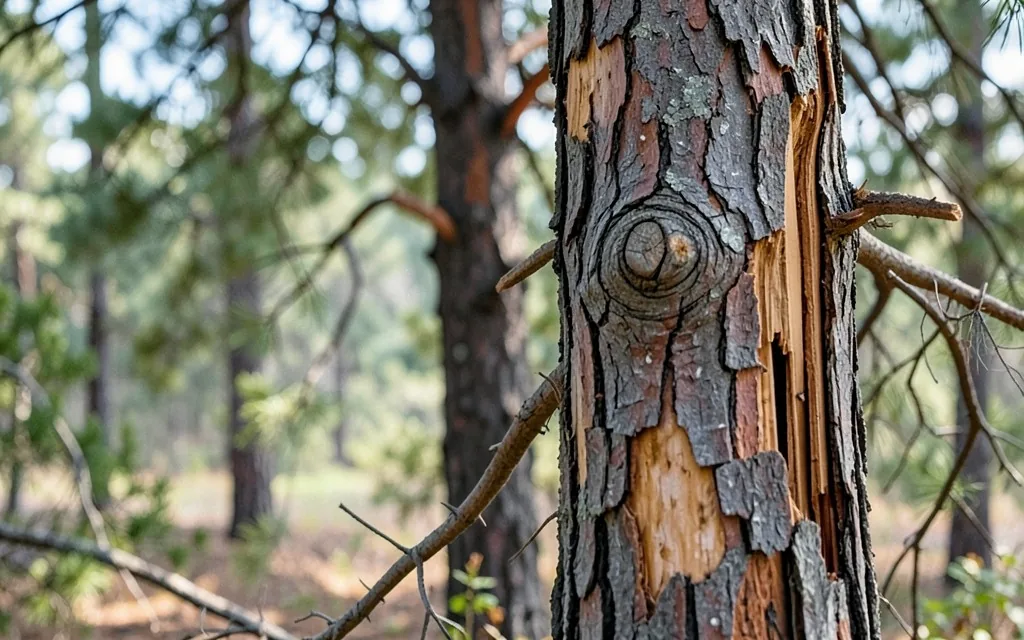
Loblolly pine on Beaumont clay fails whole: three days of rain turn the ground to slurry, forty miles an hour of wind arrives, and the plate lifts. The tells come first — soil cracking in an arc at the base, a lean that has changed since spring, a trunk with the flare buried or rotted — and the photograph above of a pine with trunk decay and a split leader is exactly the tree that should come down before the storm rather than onto the house during it. Live oaks are removed far less often, and only when the trunk is substantially decayed.
Tree work here is five jobs that overlap, and tree service is where they connect. A sound tree over a roof usually wants reduction rather than removal; a tree already down is storm work; the stump is ground on the same visit for less than a separate one; and a lot with many removals becomes clearing and grading.
What fails
What goes wrong on a removal
The four ways a cheap removal costs more than a proper one, and what rigging does instead.
Felled where there was no room
CauseA tree dropped whole into a yard sized for sections. The fence, the bed and sometimes the corner of the roof go with it.
FixDismantled from the top, each section lowered on a rigging line to a set landing zone.
The stump left flush
CauseThe tree gone, the stump and a twenty-foot root plate still in the lawn. Sod sinks over it and the mower finds the roots for a decade.
FixGround below grade with the surface roots taken back on the same visit, cavity backfilled and raked.
A sound tree removed for convenience
CauseA healthy live oak taken down because it dropped leaves on the pool. Shade, value and the street’s canopy gone for a thousand dollars.
FixAssessed first; where the trunk and plate are sound, reduction or cleaning is the honest answer and it is what we say.
Wood dumped, lawn rutted
CauseA truck across the wet lawn and a pile of logs left by the gate.
FixMatting on the route, wood cut to length and stacked or hauled as agreed, the site raked before the crew leaves.
The methods
How a tree comes out of a tight lot
Three ways, chosen by what is under the tree.
Sectional dismantling
A climber takes the tree apart from the top; each section is lowered on a rigging line to a landing zone. The default here. by size.
Crane-assisted removal
Sections picked and flown over the roof rather than lowered through the garden. More per hour, usually less per job, because the tree is out in a morning.
Felling
Only on open lots and acreage where there is a clear fall. Rare in the villages.
Stump and roots
Ground 8 to 12 inches below grade with the surface roots out, backfilled, raked, ready for turf. less on the same visit.
Method
How a removal runs
The cutting is the last hour. What decides the day is agreed before anyone leaves the ground.
- 01
Assess the tree and the target
Species, lean, decay, root plate, and what sits under the drip line. A hollow trunk changes how it can be rigged.
- 02
Plan the access and the landing
How the wood leaves, whether a crane can set up, where each section lands. Side gates, soft lawns and the neighbor’s drive decided in advance.
- 03
Protect what stays
Matting on lawn and drive, beds sheeted, the landing zone cleared before a saw starts.
- 04
Dismantle and lower
Sections numbered, rigged and lowered, or flown by crane where the target is a roof. Nothing comes down uncontrolled.
- 05
Grind, clear, rake
Stump and roots ground, chips and wood dealt with as agreed, the site raked and blown.
Cost
What decides the number
Access matters more than height: a tree a crane can reach and one carried out through a side gate are different jobs.
Sectional dismantling
By size and how much has to be rigged rather than dropped.
Medium tree, good access
A typical lot pine or oak with room to work.
Large or crane-assisted
Over a structure, or too big to lower through the garden.
Stump grinding
Below grade with roots out; cheaper on the same visit.
Several trees on one lot are priced together; storm work on a structure is quoted on sight.
On site
Recent removals
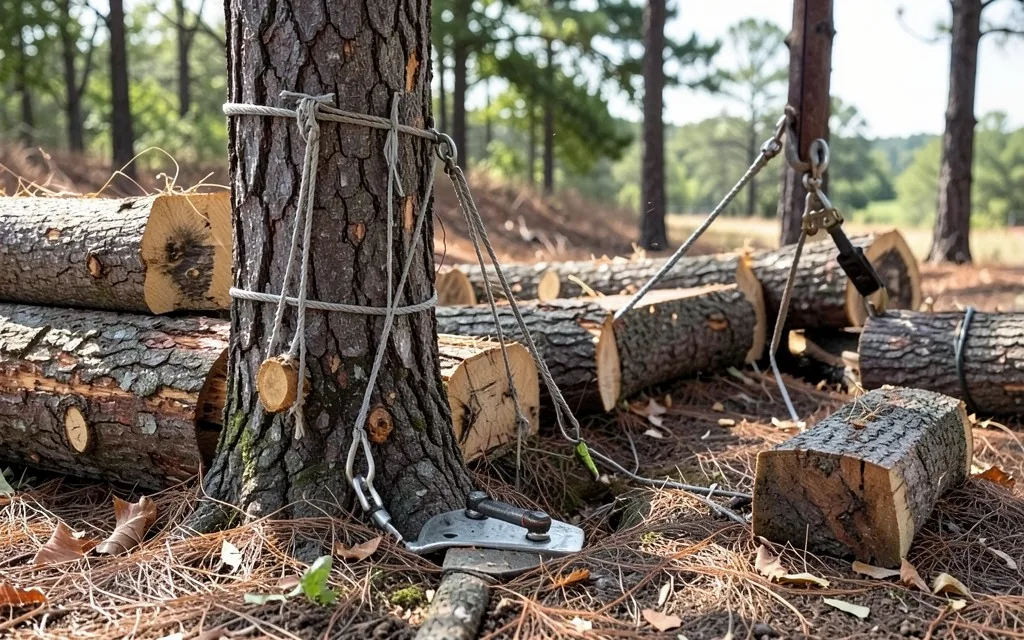
Rigging lines and a lowering device at the base of a pine
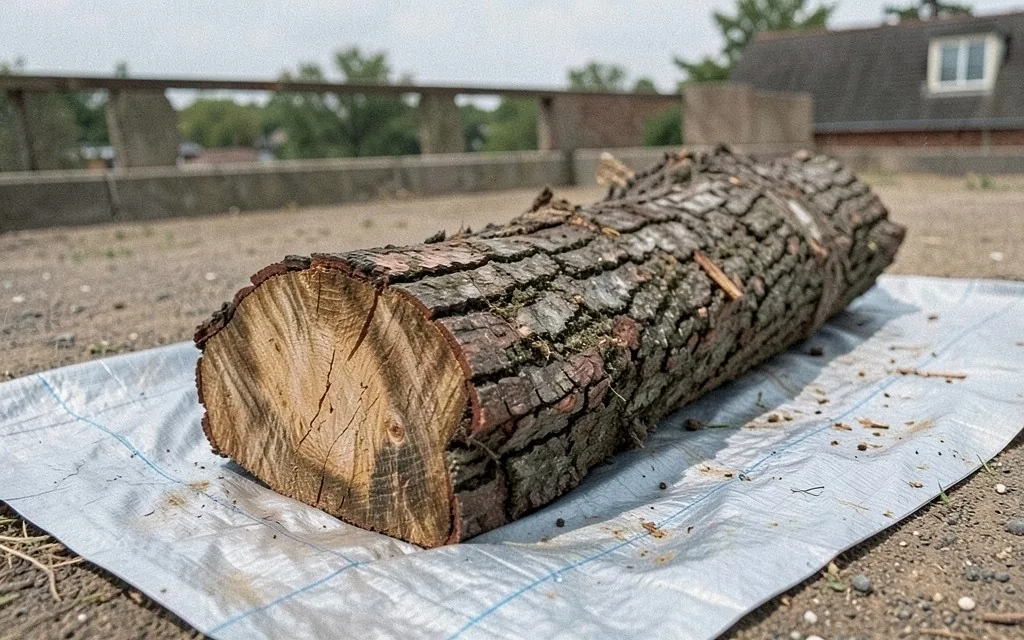
Sectioned trunk on protective matting beside a cleared roofline
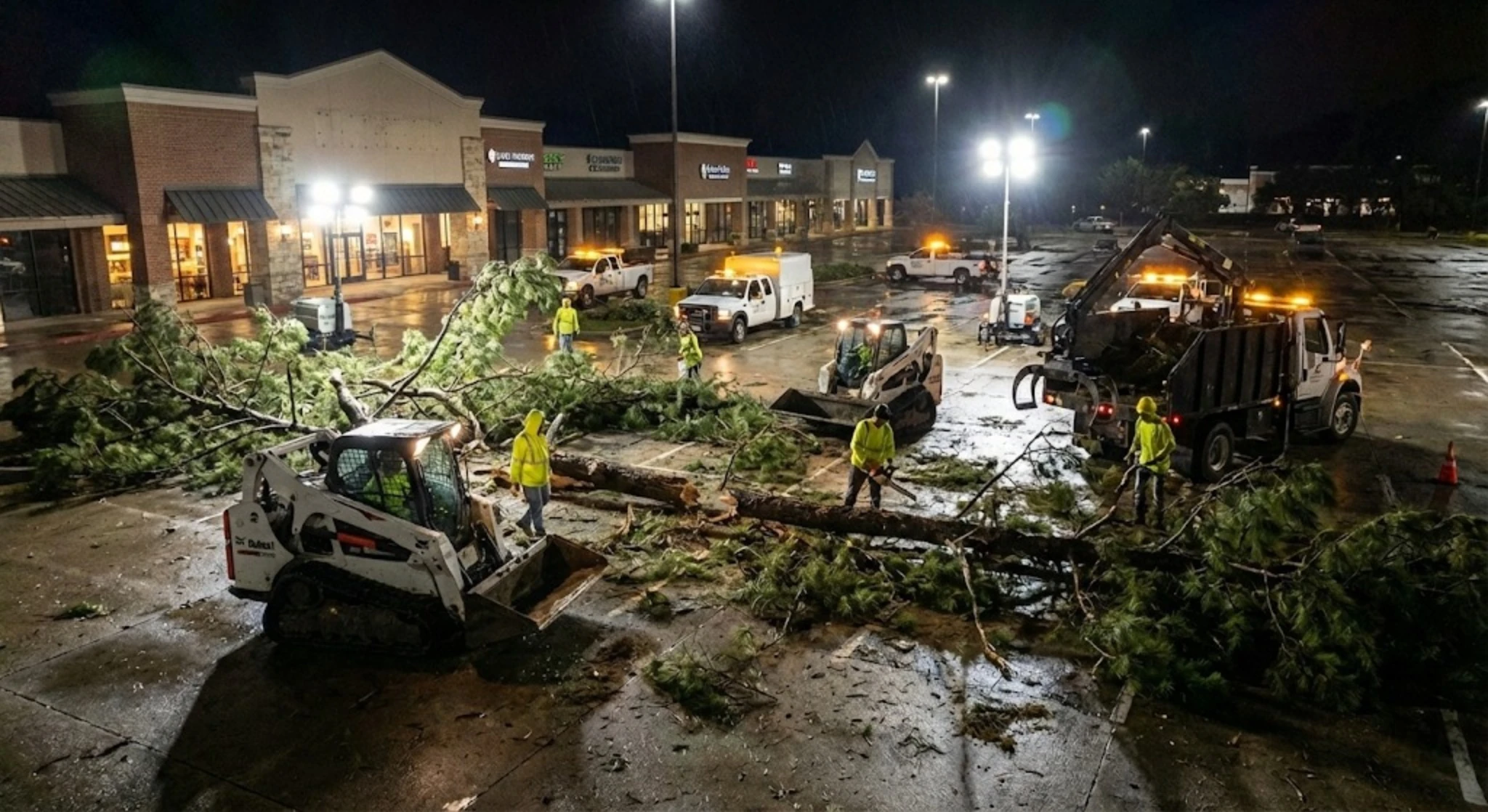
Crane-assisted removal over a house after a storm
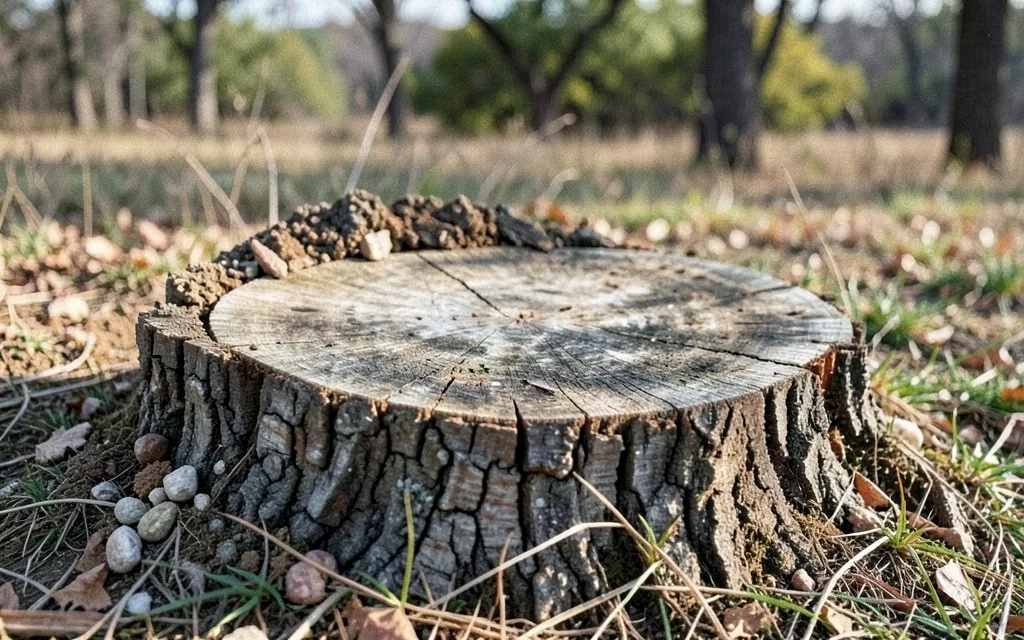
Stump ground to a shallow bowl with the chip pile alongside
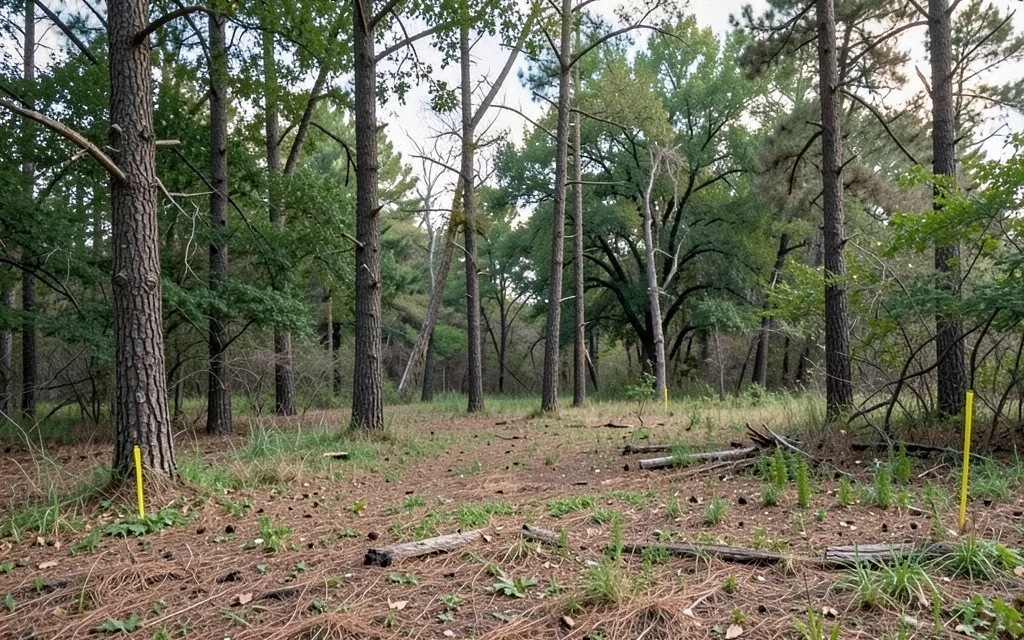
Wooded lot partially cleared, specimen trees flagged and protected
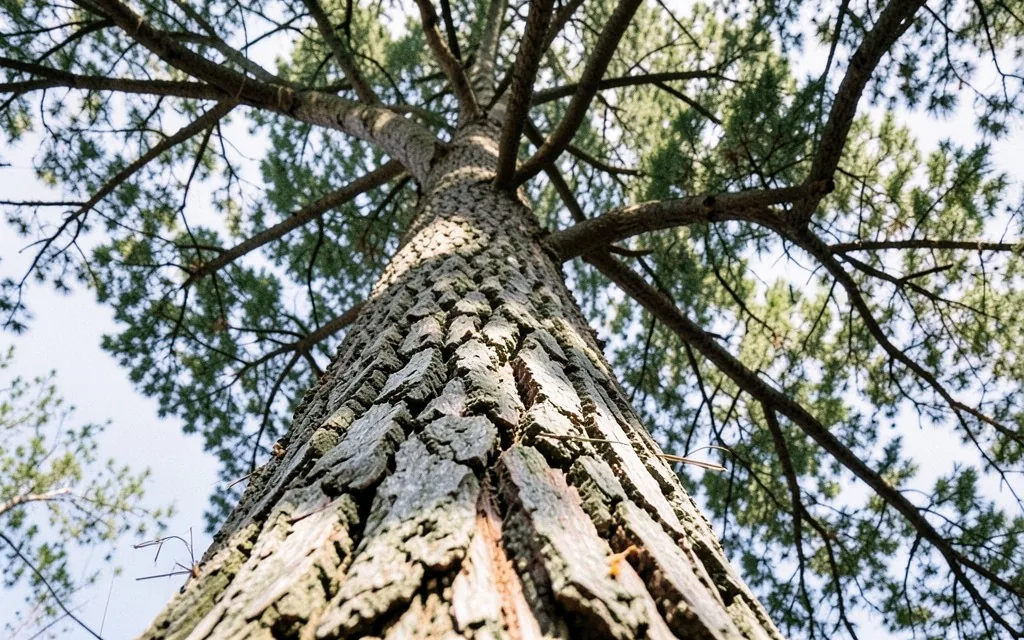
Base of a loblolly with the trunk flare exposed for assessment
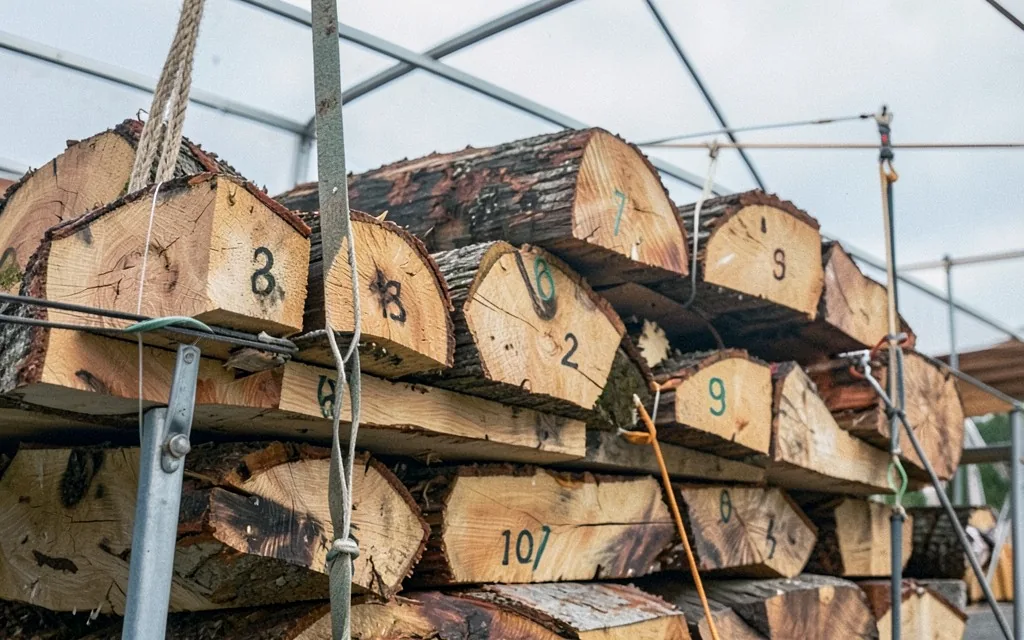
Pine cut into numbered sections, stacked clear of the roof
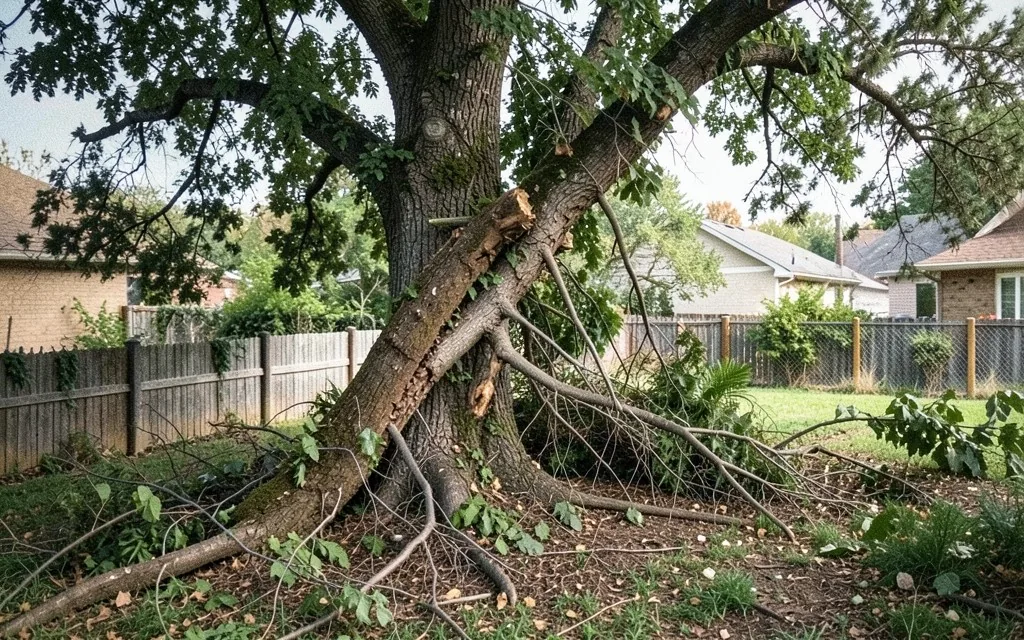
Storm-damaged tree and fence being cleared
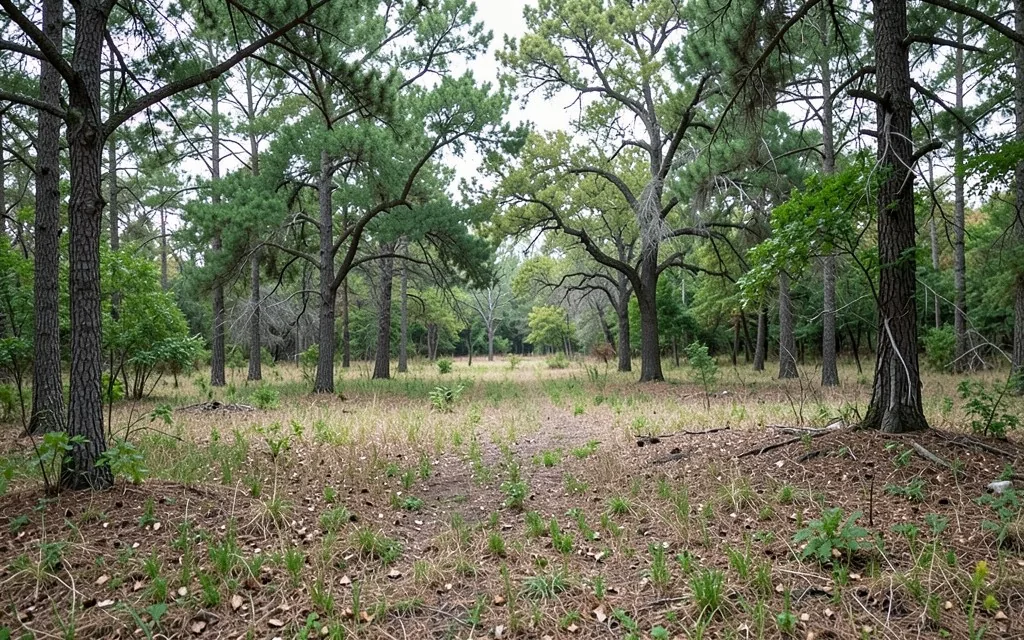
Retained specimen trees protected during clearing
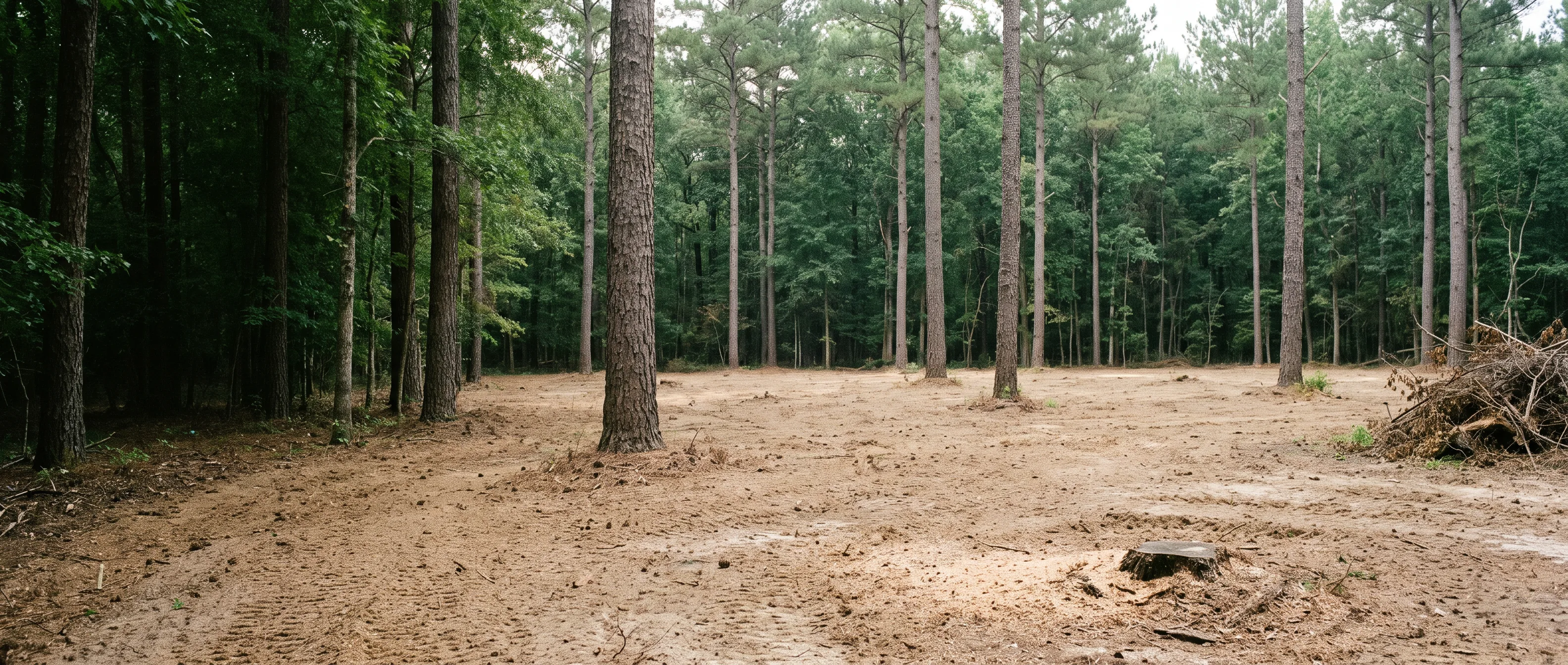
Cleared area with mature trees kept, site raked clean
Questions
Questions
What does tree removal cost in The Woodlands?
A medium tree with good access; a large tree or one needing a crane; sectional work across all sizes. Grinding the stump on the same visit adds.
How do I know a pine needs to come down?
Soil cracking in an arc at the base, a lean that has changed, a lifted plate, or decay and a split leader in the trunk. Any of those means the tree has already moved; the next wind is the one that matters.
Can it be saved instead?
Often. A sound tree that is simply too big over a roof gets a reduction; a healthy tree dropping limbs gets deadwooded. We say so when that is the answer, because a removal is not the job we want if the tree is fine.
Do I need permission?
In The Woodlands villages, removing a tree over a certain size on a residential lot generally needs DSC approval; we prepare the request. Hazard trees are handled faster. Outside the villages it is usually your call.
What happens to the wood?
Cut to length and stacked, or hauled away, priced either way at the visit; brush is chipped on site. The lawn is matted on the route and raked afterwards.
Have the tree assessed before the next storm
Pictures of the property help us prepare. The written price is given after we walk the property. Call (936) 206-7627 to schedule a visit.