
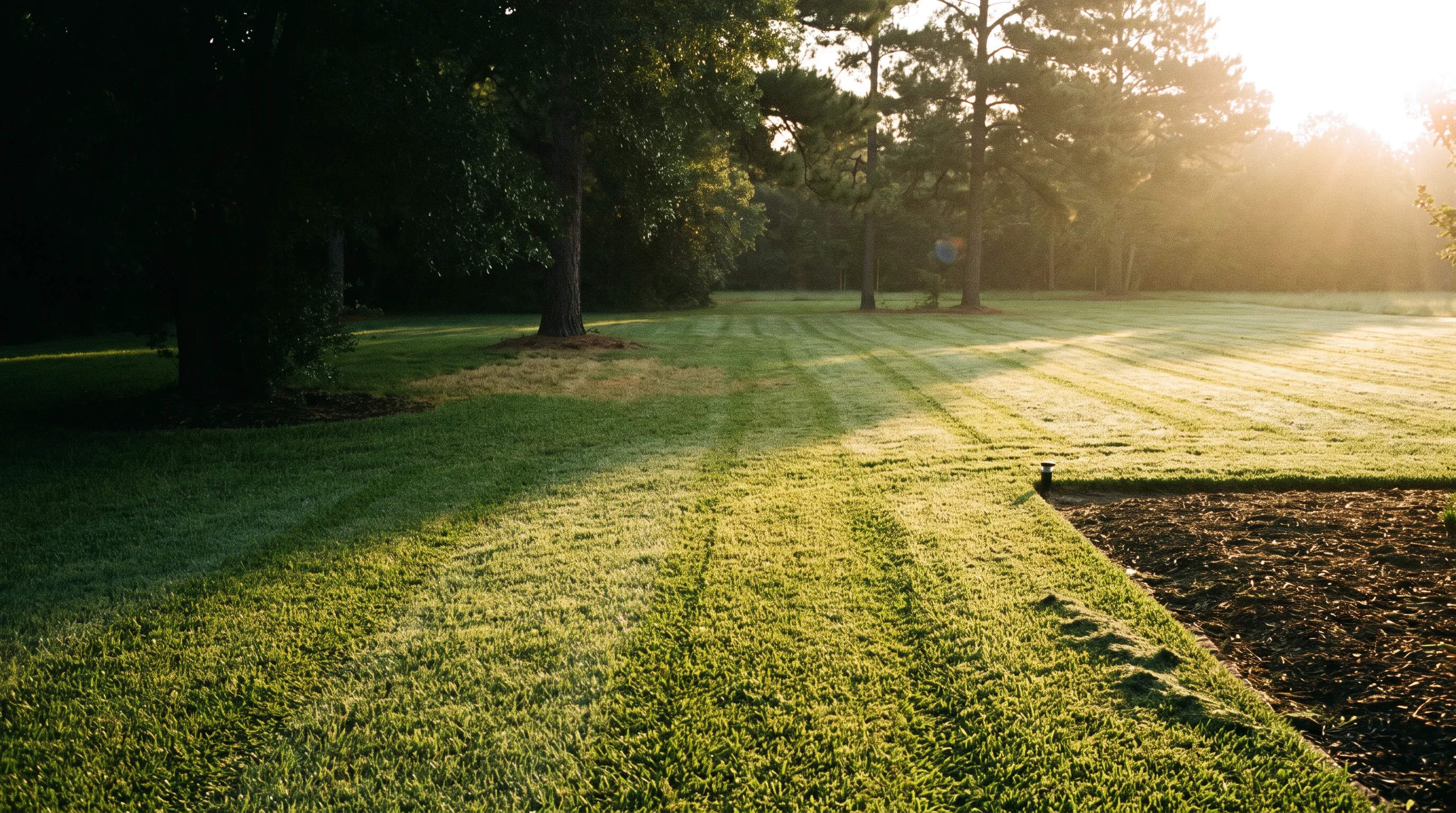
Lawn maintenance
The same crew, the same day, every week
Weekly and bi-weekly grounds maintenance across The Woodlands, Spring and Conroe — mowing, edging, bed care and seasonal work, on a route that puts the same team on your property each visit.
Weekly service through the March-to-October growing season is what a Texas lawn needs, dropping to bi-weekly or as-needed in winter. The rule that matters most is the one-third rule: never remove more than a third of the blade height in one cut. A lawn mown weekly stays inside it. A lawn mown fortnightly in June does not, and the scalping stresses the turf exactly when it is least able to recover.
Below: what is included on a visit, how often to mow through the year, how pricing works, and what happens when it rains on your service day.
What we build
What is included in a maintenance visit?
The standard service. Anything beyond it is quoted separately rather than added quietly.
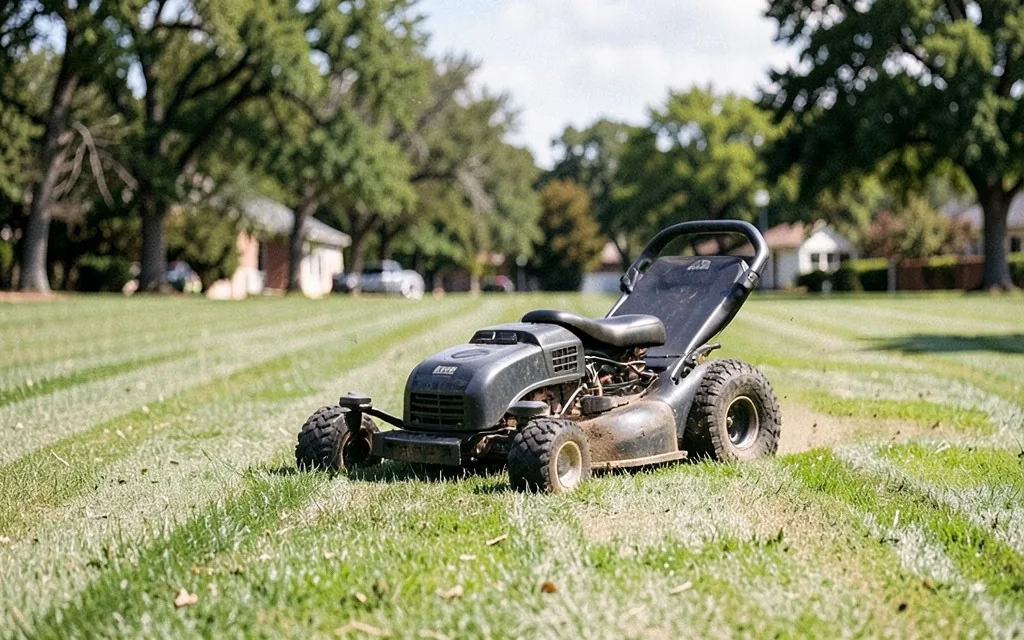
Mowing at the right height
Cut to the height the grass species wants and never taking more than a third of the blade. St. Augustine and Bermuda sit at different heights and we set the deck accordingly.
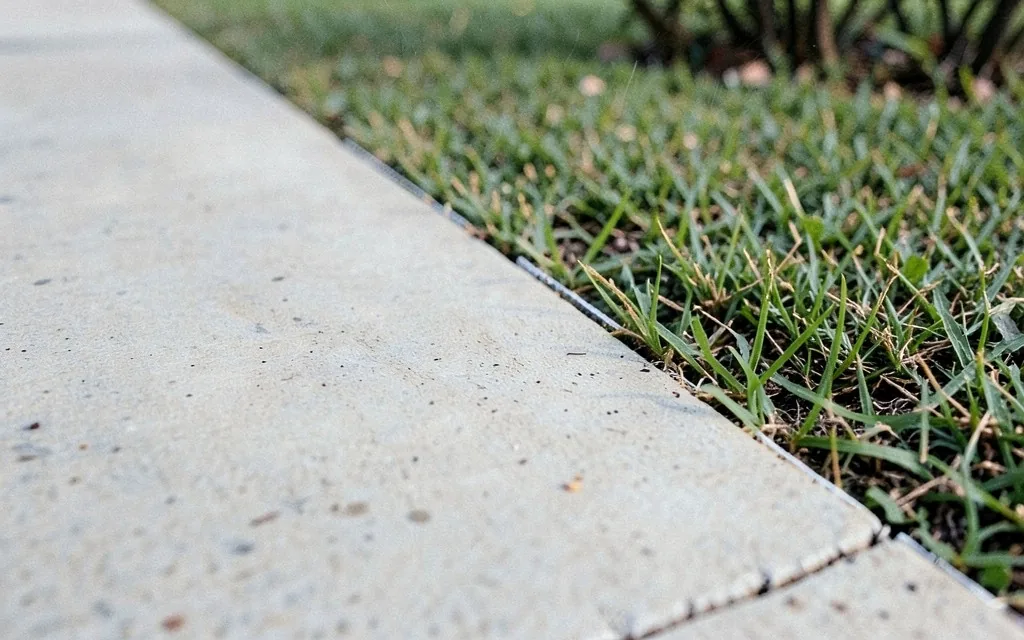
Edging and line trimming
Hard edges along drives, walks and beds, and trimming around trees, posts and structures. This is what makes a lawn look maintained rather than just mown.
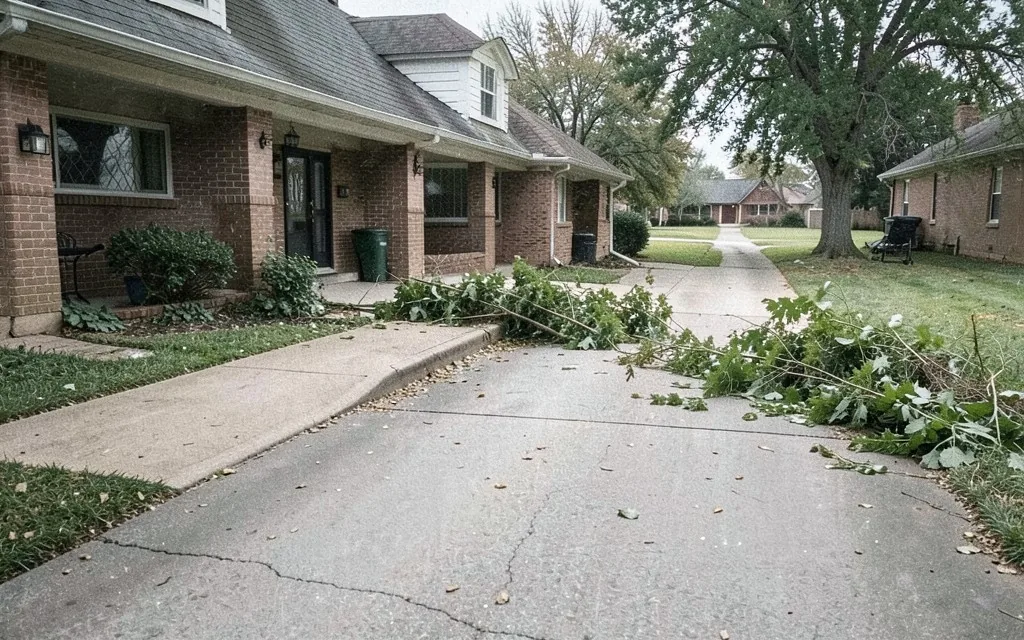
Blowing down
Clippings and debris cleared from drives, walks, patios and the street frontage before the crew leaves. Clippings left on paving stain it and wash into drains.
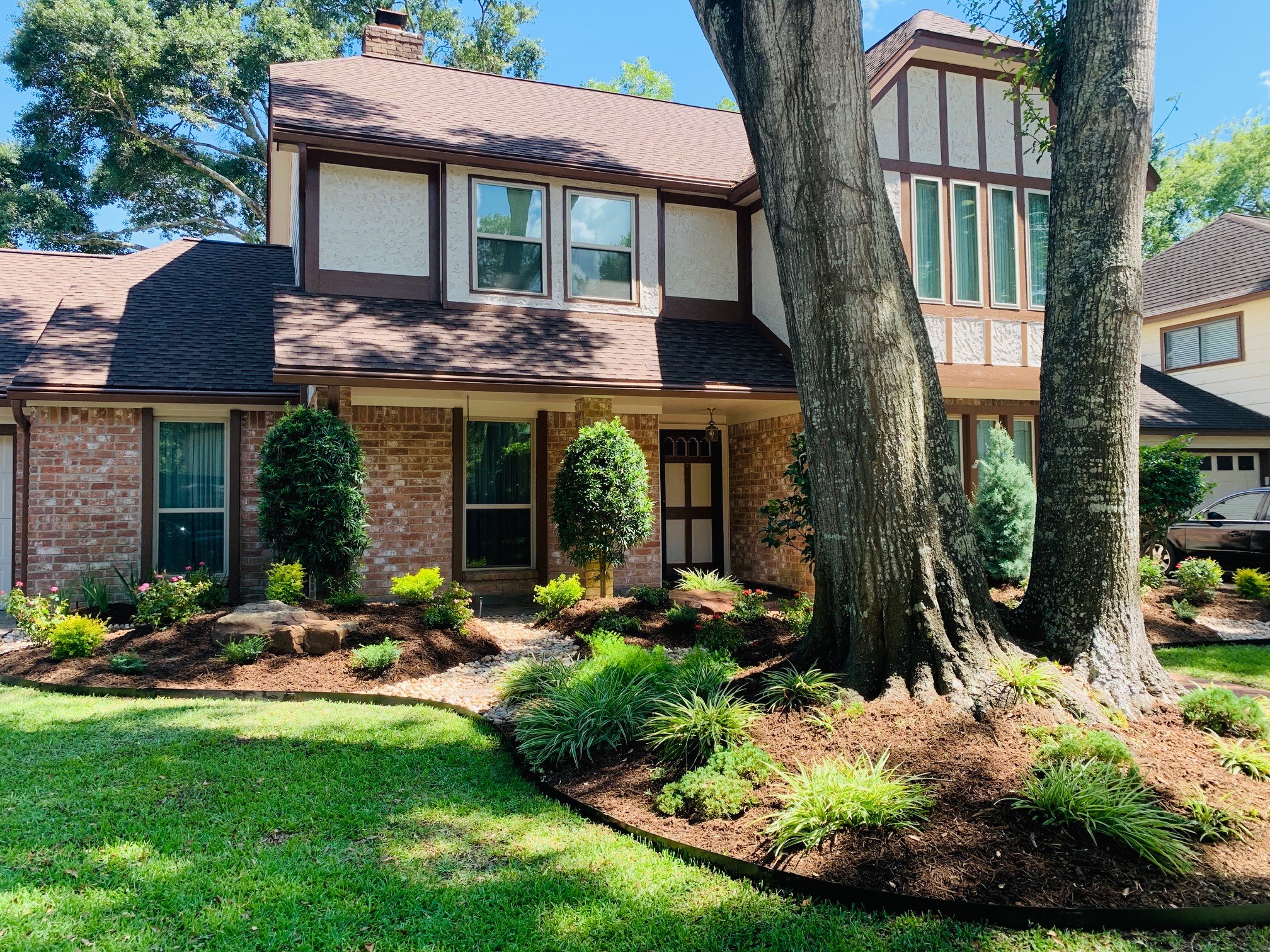
Bed maintenance
Beds kept edged and weeded, shrubs kept off paths and out of the lawn, and mulch topped up on the agreed schedule.
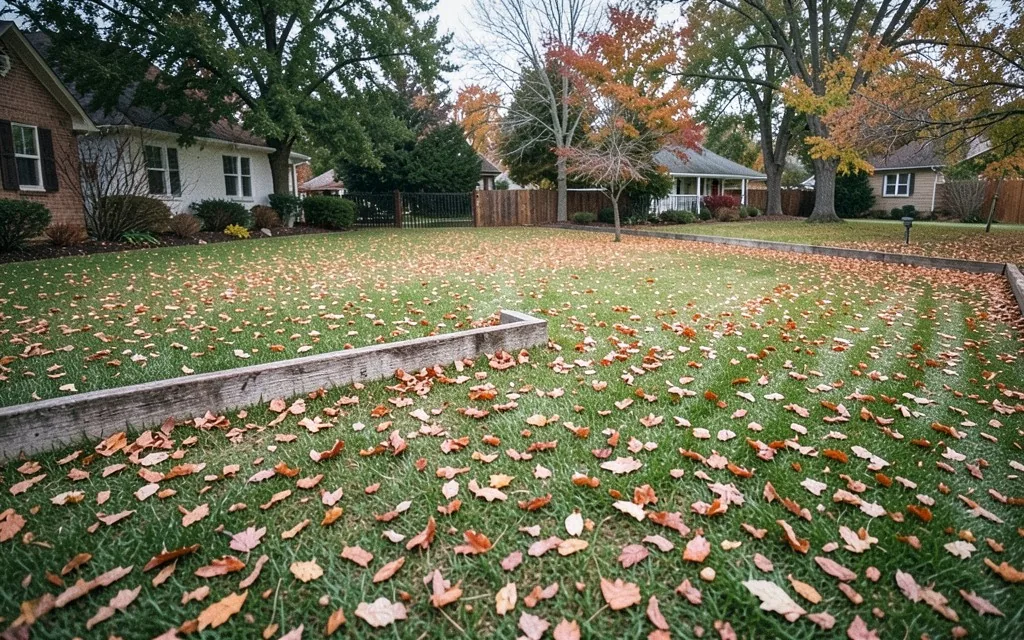
Seasonal work
Leaf clearance through autumn, hard cut-back of ornamental grasses and perennials in late winter, and seasonal colour changes where you have them.
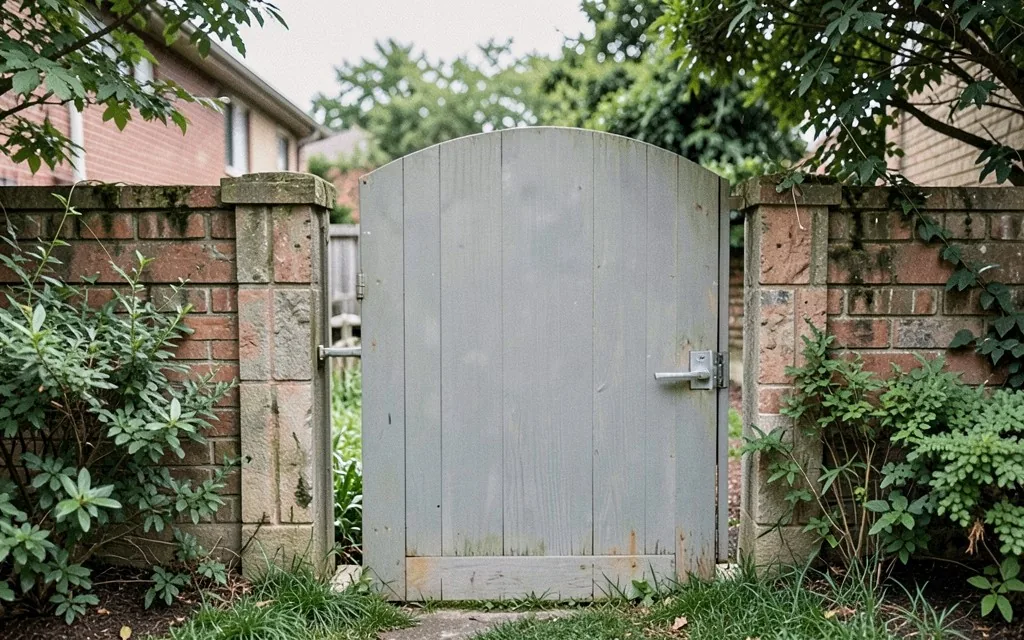
Access and gate discipline
Gates closed and latched behind the crew every time, pets accounted for before equipment starts, and any side access left as it was found. Small things, and the ones people actually notice.
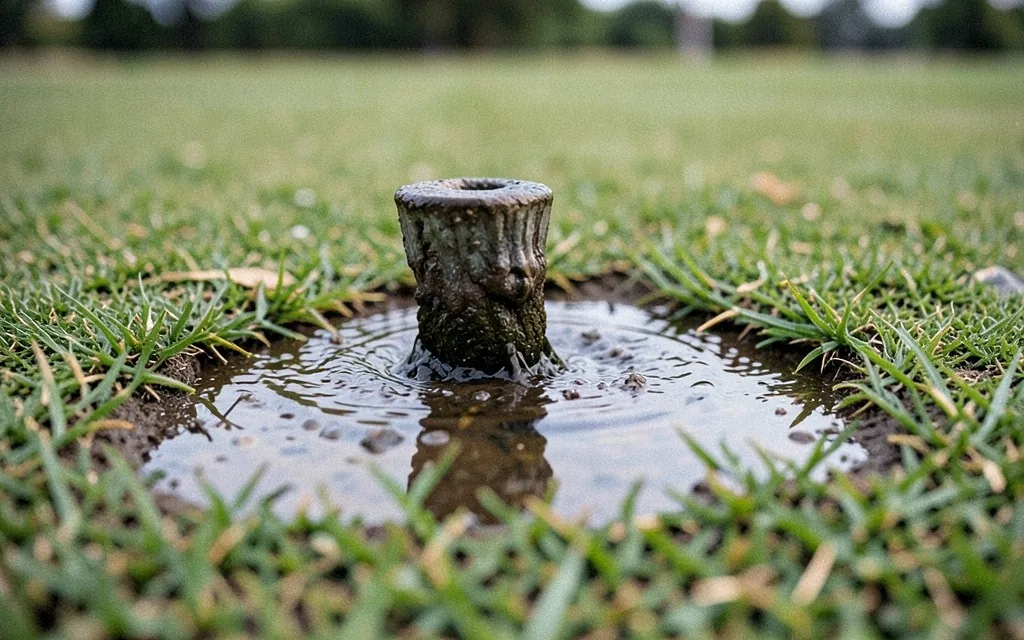
Property watch
A crew on your property every week notices things — an irrigation leak, a dead patch spreading, storm damage in a canopy. We tell you, with a photograph.
Local conditions
What goes wrong with a maintenance service?
Four things, and all four are about consistency rather than skill.
The lawn gets scalped
CauseCutting too much at once, usually because the interval is too long for the growing season. Removing more than a third of the blade shocks the plant and exposes soil, and weeds follow.
FixWeekly service March through October so the one-third rule is never breached, and deck height set to the species rather than left at whatever the last property needed.
A different crew every week
CauseRotating labour across routes. Nobody learns where the sprinkler heads are, which gate is which, or what the bed edges are supposed to look like — so it is relearned badly each visit.
FixDedicated crews assigned to routes, so the same team services your property every time. They know the property, and they notice when something has changed.
Ruts and compaction from mowing
CauseThe same wheel line every week over Beaumont clay, especially when the ground is wet. It compacts into visible tracks that thin out and then hold water.
FixMowing pattern rotated between visits, and wet-ground judgement — sometimes the right call is to skip the mow rather than rut the lawn for a month.
Beds slowly lose their shape
CauseMowing and trimming done to schedule while the bed edges are only tidied occasionally. Turf creeps into the beds an inch a season, shrubs push out over the path, and within two years the whole property reads as softer and less cared-for without anyone being able to say why.
FixHard edges re-cut on a set schedule rather than when someone notices, shrubs kept off paths and out of the lawn as routine, and mulch topped up on an agreed cycle so the bed line stays legible all year.
Disease spread between properties
CauseBrown patch and take-all root rot move on blades and on wet clippings, and both are common here. A deck that goes from an infected lawn to yours carries it.
FixDecks cleaned between properties and known infected areas mown last. It costs time and it stops a fungal problem becoming a route-wide one.
Specification
How often should a Texas lawn be mown through the year?
Six seasons, roughly. Frequency and the work itself both change through them.
Late winter — February
Ornamental grasses and perennials cut hard back before new growth starts, beds edged and mulched. The lawn is still dormant and barely needs touching.
Spring green-up — March to April
Weekly mowing resumes as the turf breaks dormancy. Growth is fast and uneven, and this is when a fortnightly schedule starts breaching the one-third rule.
Peak growth — May to June
The heaviest mowing of the year, and the period where weekly is genuinely the minimum. Bed weeding is at its most demanding too.
High summer — July to August
Growth slows under heat stress. Mowing height goes up rather than down — longer blades shade the soil and hold moisture, which is the opposite of most instincts.
Autumn — September to November
A second growth flush, then leaf clearance. Pine needles and oak leaf drop are heavy here and smother turf if left through the winter.
Winter — December to January
Bi-weekly or as-needed. Warm-season grasses are dormant and brown, which is normal and not a service failure. Clean-up and edge maintenance continue.
How it runs
Route, crew, service, report
Maintenance is a logistics problem more than a horticultural one. Consistency is the product.
- 01
Walk the property
Size, terrain, access, bed area, irrigation head positions and anything that needs particular handling — recorded so the crew knows it before the first visit.
- 02
Quote for your property
Priced on what your property actually needs rather than a standard package. Weekly service usually prices better per visit than bi-weekly because it is more efficient to run.
- 03
Assign to a route
Placed on a route with a dedicated crew and a set service day, so you know when they come and they know your property.
- 04
Service
Mow, edge, trim, blow down and bed work as scheduled, with the mowing pattern rotated and the deck height set for the season.
- 05
Report anything found
Irrigation leaks, disease, storm damage or pest activity photographed and sent to you, with a recommendation rather than an automatic upsell.
- 06
Adjust seasonally
Frequency, cut height and the seasonal tasks reviewed as the year moves, rather than running one schedule from January to December.
Recent work
Recent maintenance work
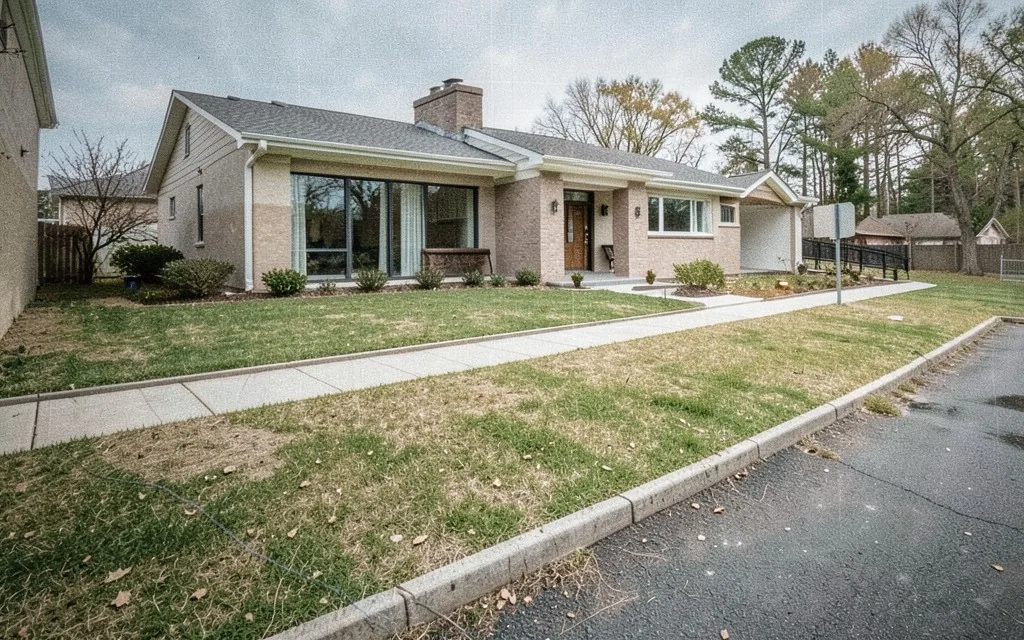
The Woodlands
A large wooded property on weekly service, with heavy autumn pine-needle clearance built into the route.
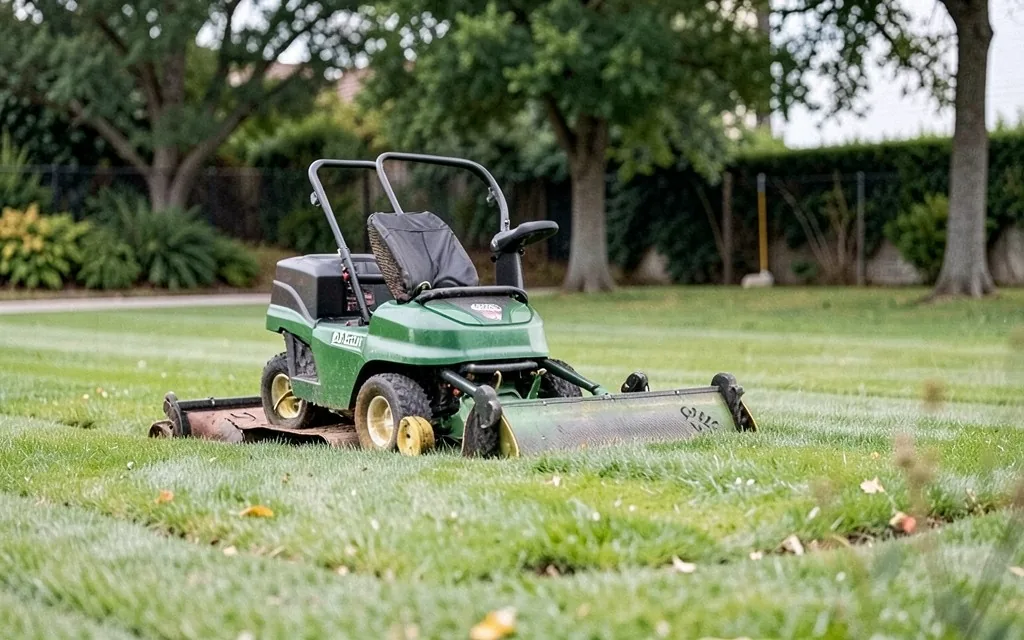
Spring
Weekly service with a rotating mowing pattern, after the previous contractor left permanent wheel tracks.
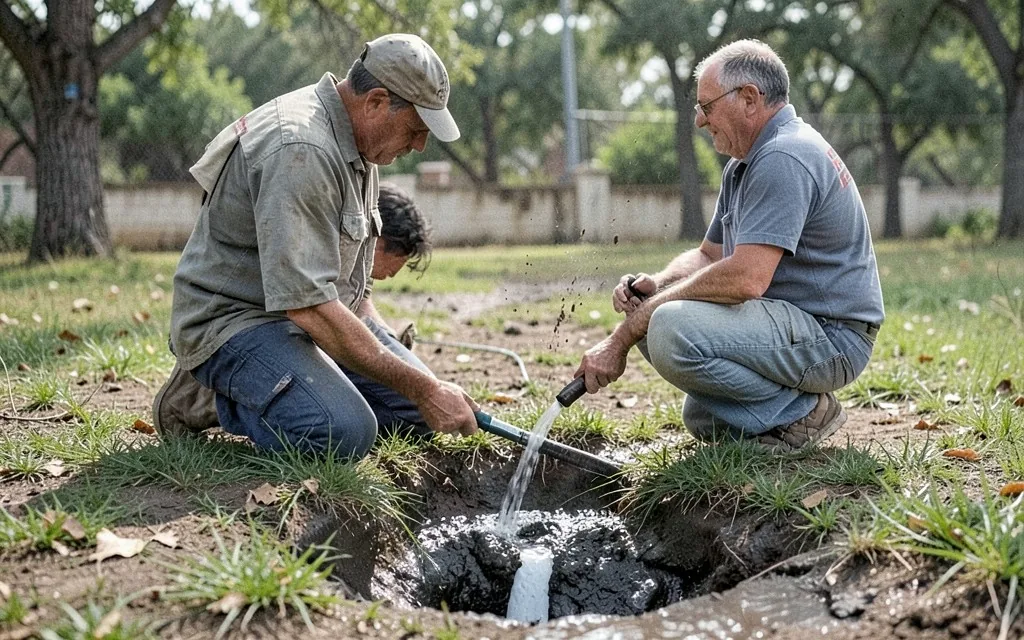
Conroe
A routine visit spotted an irrigation leak from a wet patch and a rising bill — photographed and fixed the same week.
Why homeowners choose us
What we do differently
- 01
The same crew every time
Dedicated crews on routes. They learn your property and they notice when something has changed.
- 02
The one-third rule is kept
Weekly through the growing season and deck height set to the species, so the lawn is never scalped into stress.
- 03
Mowing pattern rotated
Different direction each visit, so the same wheel line does not compact into ruts on clay.
- 04
Cut height rises in summer
Longer blades in July and August shade the soil and hold moisture. Cutting shorter in heat is the commonest self-inflicted damage.
- 05
We tell you what we see
Irrigation leaks, disease and storm damage photographed and reported, with a recommendation rather than an automatic charge.
- 06
Priced for your property
Quoted on what your property actually needs. No one-size package, and weekly usually prices better per visit than bi-weekly.
Questions
Lawn maintenance — frequently asked
How much does lawn maintenance cost in The Woodlands?
Pricing varies by property size, terrain and service frequency, and we quote per property rather than from a standard package — a large wooded lot with extensive beds is a different job from a small open lawn. Weekly customers typically see better per-visit rates than bi-weekly, because a weekly route is more efficient to run and the grass is easier to cut. We provide a free, no-obligation quote after walking the property.
How often should I have my lawn mowed in Texas?
Weekly during the growing season, March through October. In winter, bi-weekly or as-needed is normally sufficient because warm-season grasses go dormant. The reason weekly matters is the one-third rule: never remove more than a third of the blade height in a single cut. In May and June a lawn grows past that in two weeks, so a fortnightly schedule guarantees scalping exactly when the turf is growing hardest.
What is included in your lawn maintenance service?
Mowing at the correct height for your grass species, hard edging along drives, walks and beds, line trimming around trees and structures, and blowing down all hard surfaces before we leave. Bed maintenance — edging, weeding and keeping shrubs off paths — is included on the agreed schedule, along with seasonal work like leaf clearance and late-winter cut-back. Anything outside that is quoted separately rather than added quietly.
Do you send the same crew every time?
Yes. Consistency is a priority here, so we assign dedicated crews to routes and the same team services your property each visit. They learn the property — where the irrigation heads are, which gate to use, how the bed edges should look, which areas hold water after rain. That knowledge is most of what separates a good maintenance service from an adequate one, and it is lost entirely when the crew rotates.
What if it rains on my scheduled service day?
We reschedule, usually to the next available day that week. Mowing saturated Beaumont clay does real damage — the mower ruts the ground, the clay compacts into tracks that stay for months, and wet clippings clump and smother the turf underneath. Skipping a day and coming back is almost always the better outcome, and we would rather explain a delay than repair a rutted lawn.
Can I combine lawn maintenance with lawn care treatments?
Yes, and it works well together. Maintenance is the mowing, edging and tidying; lawn care is fertilisation, weed control and disease and pest treatment. Combining them means one company sees the lawn every week and treats it on a programme, so a problem spotted on a Tuesday mow gets addressed rather than noted. The two are quoted separately so you can see what each costs.
Do you bag or mulch the clippings?
Mulching in most conditions, because returning clippings to the lawn recycles nitrogen and reduces the fertiliser the turf needs. We bag when the grass is too long or too wet to mulch cleanly, when clippings would clump and smother the turf, or where a fungal problem is present and we do not want to spread it. Clippings are always cleared off paving regardless.
Will you tell me if something is wrong with the lawn?
Yes, and it is one of the real advantages of having someone on the property every week. Crews report irrigation leaks, spreading dead patches, fungal disease, fire ant activity and storm damage in the canopy — usually with a photograph so you can see it. What we do not do is turn every observation into an automatic charge; you get the finding and a recommendation, and the decision is yours.
Do you maintain commercial properties?
Yes — HOA common areas, office parks, retail frontages and multi-family properties, on the same route-and-dedicated-crew model. Commercial work usually carries additional requirements around service windows, access and appearance standards, and those go into the contract explicitly. The scheduling discipline is the same; the scale and the reporting are different.
Why is my lawn brown in winter?
Because it is dormant, not dead. St. Augustine, Bermuda and Zoysia are all warm-season grasses and they go brown after the first hard cold, greening up again in March. It is normal and it is not a service failure — there is no treatment that keeps a warm-season lawn green through a Montgomery County winter, and anything sold on that promise is either dye or overseeding with a cool-season grass that then competes with your turf in spring.
How do I start service?
Call and we will walk the property with you, usually within 48 hours. We look at size, terrain, bed area, access and anything needing particular handling, then quote your property specifically. Once you accept, you go onto a route with a set service day and a dedicated crew, and you know which day of the week they come. There is no long contract lock-in.
Is the same crew on my property every week?
Yes, and it matters more than it sounds. A crew that has cut a lawn for a season knows where it holds water, which bed edge creeps, and what the irrigation does in August. That knowledge does not transfer on a schedule sheet. Continuity is why a maintained property gradually improves rather than staying level.
Where we work
Lawn maintenance across North Houston
We run maintenance routes across Montgomery County and into North Houston — The Woodlands, Spring, Conroe, Magnolia, Tomball, Willis and Montgomery. Routes are geographic, which is what makes the same-crew commitment possible.
Often specified alongside: lawn care and treatment, lawn pest control, sod installation, irrigation repair, tree pruning and trimming.
Start here
Get a quote for your property
We walk the property within 48 hours, price it on what it actually needs, and put you on a route with a set day and a crew that stays the same.