
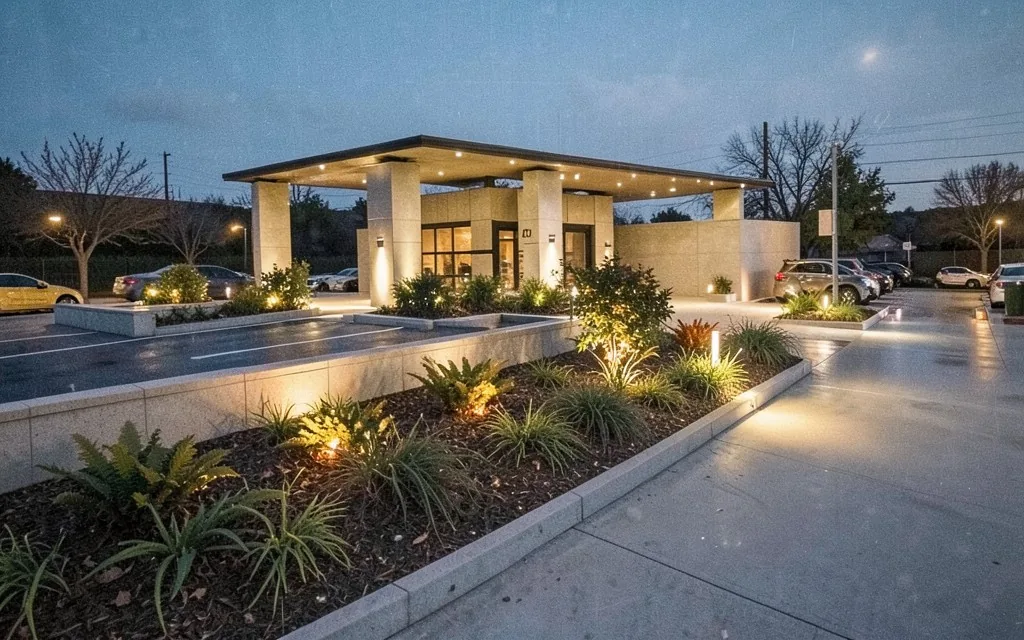
Commercial installation
Build the landscape once, so the maintenance bill is small forever
Commercial landscape design and installation across The Woodlands, Spring and Conroe — office parks to HOA communities, built for maximum curb appeal and minimum recurring cost.
On a commercial property the installation decision that matters most is the one that sets the recurring cost. A scheme planted with high-maintenance annual beds and thirsty turf commits the owner to a monthly figure for as long as the building stands; the same budget spent on structure planting, efficient irrigation and durable hardscape delivers a better first impression and a smaller contract. Full commercial projects here run $15,000 to $150,000 and up.
Below: what commercial installation costs, how work is phased around an operating business, which property types we build for, and where water conservation genuinely pays back.
What we build
What we install
Six scopes, all designed with the recurring maintenance cost as an explicit input.
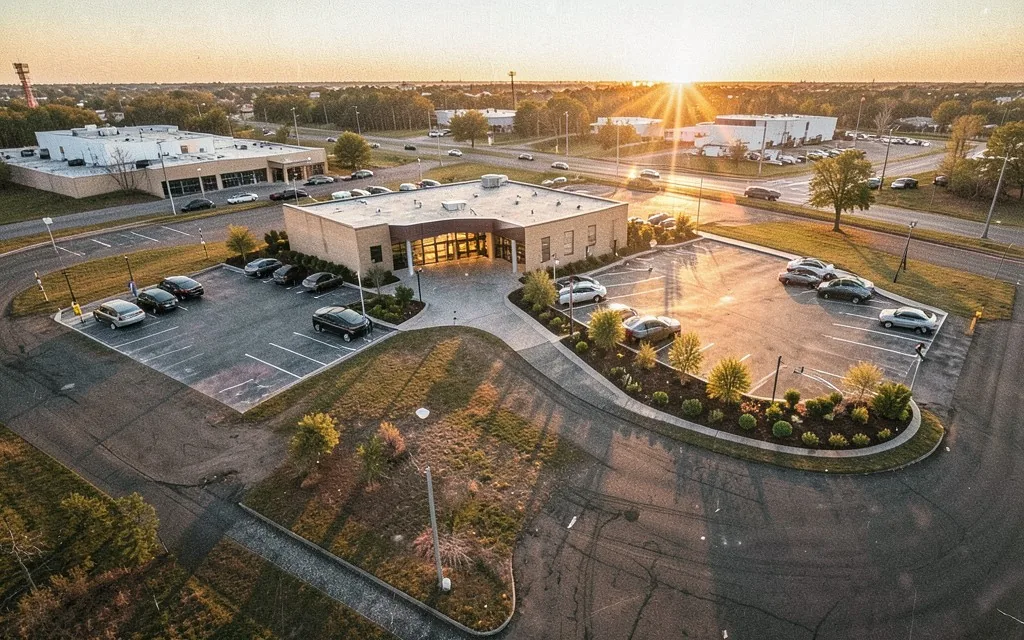
Commercial landscape design
Surveyed, drawn to scale and rendered, with the projected maintenance cost of each option stated so ownership can compare capital against recurring spend.
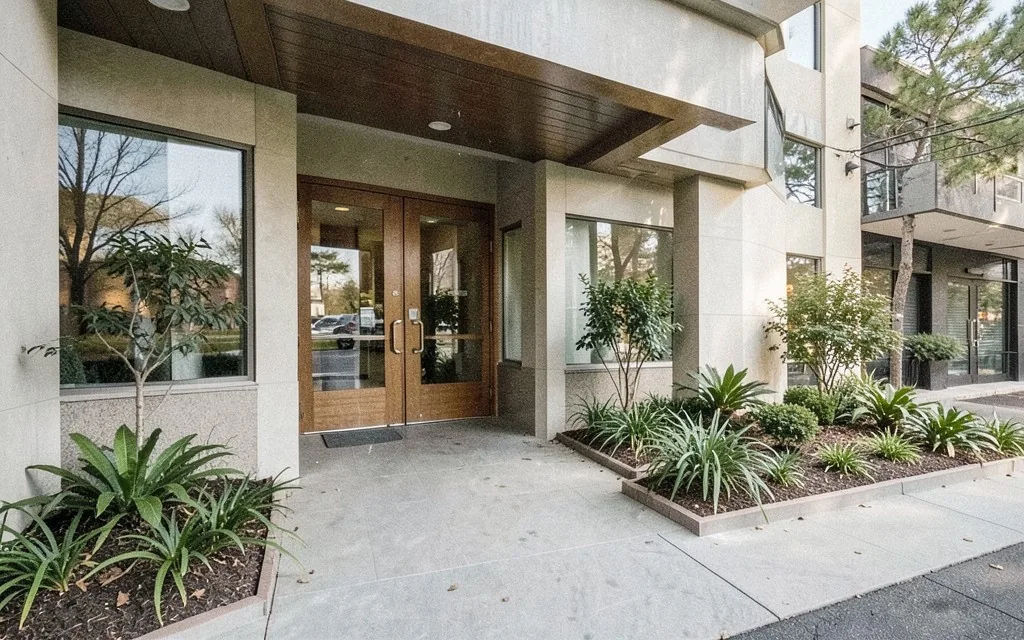
Entrance and frontage renovation
The signage bed, the approach and the first impression from the road, rebuilt around permanent structure planting rather than a rotation that has to be funded forever.
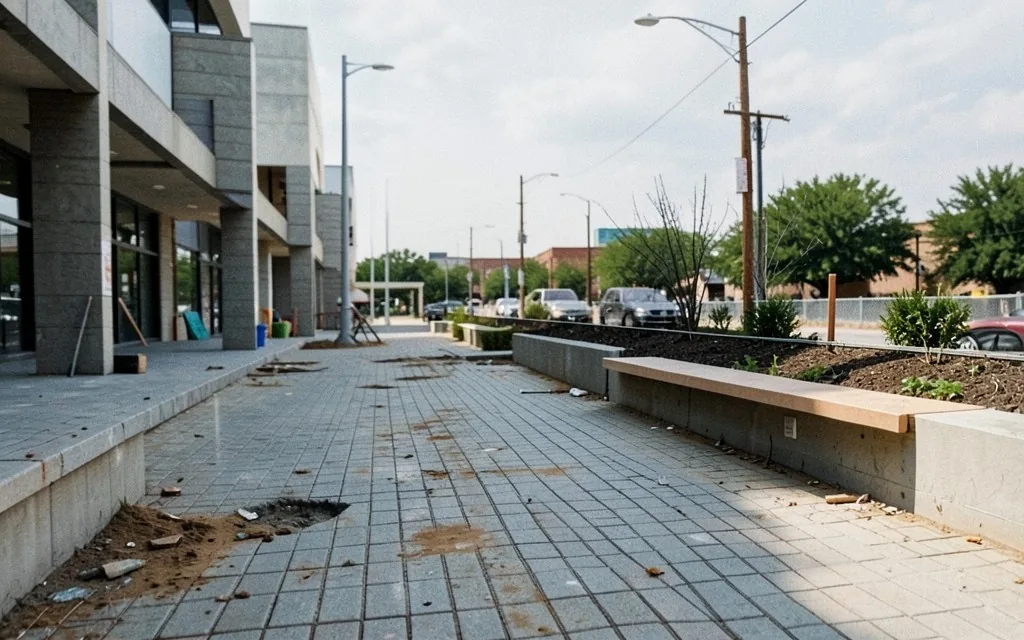
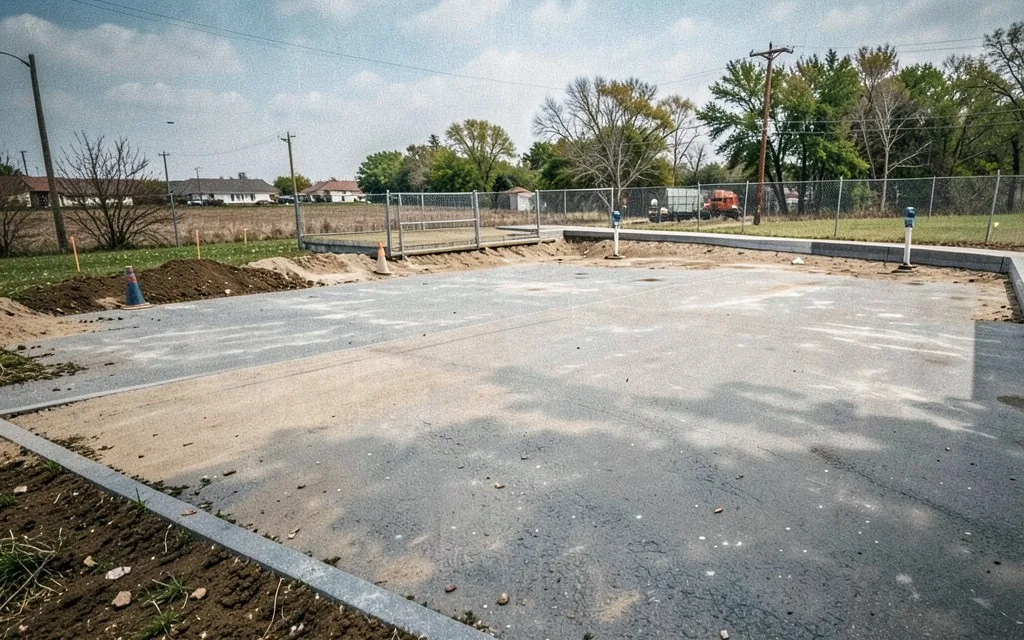
Hardscape and pedestrian works
Walkways, plazas, seat walls and planters built on properly prepared bases, jointed for clay movement and detailed for the traffic they will actually take.
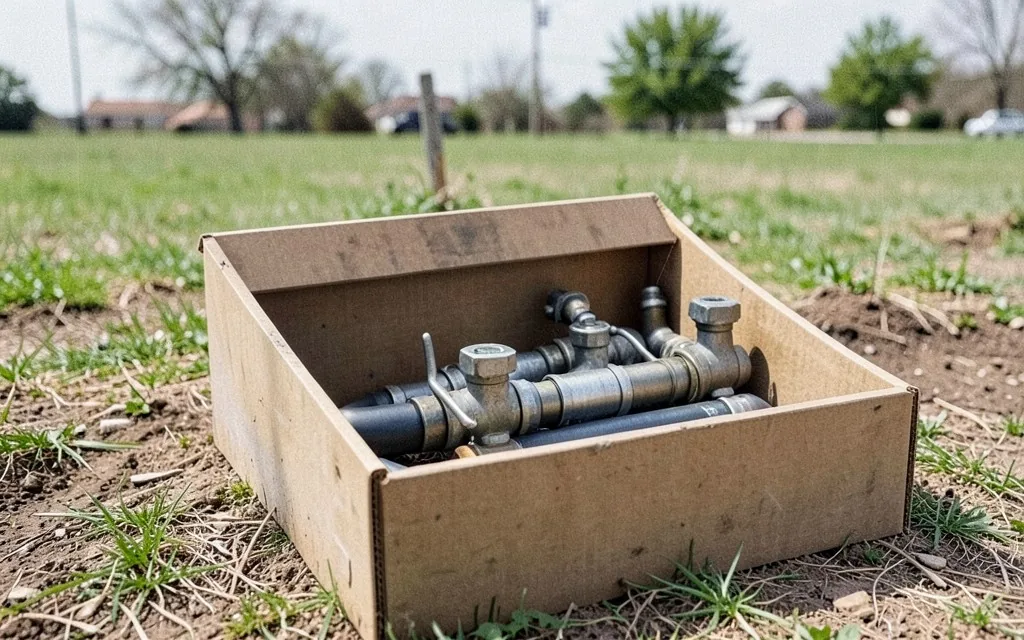
Irrigation installation
Systems zoned by planting type with drip in beds and a smart controller, specified at build so the water bill is designed rather than inherited.
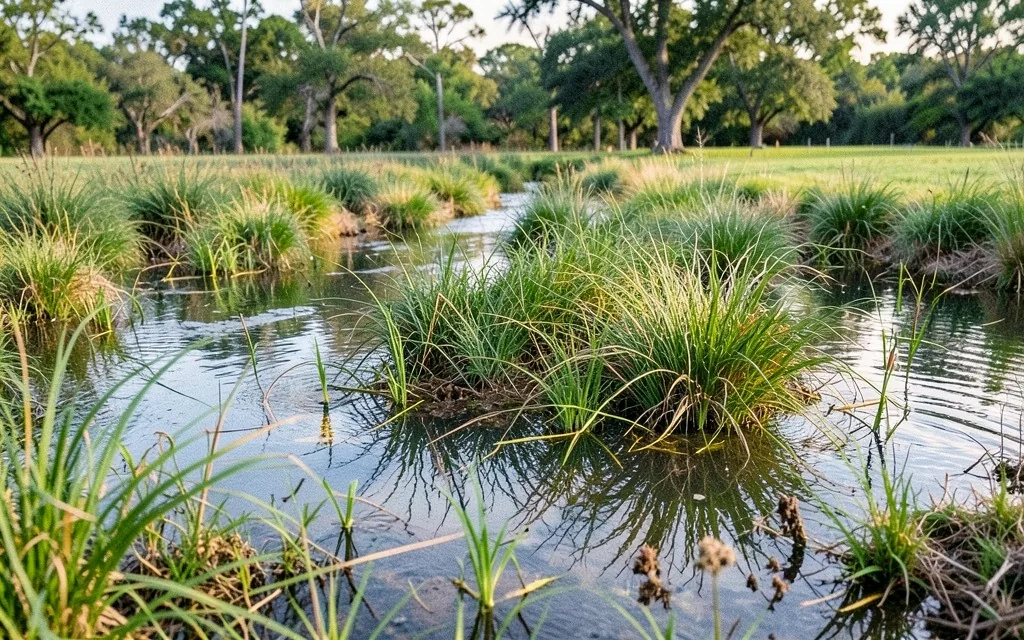
Water-conserving schemes
Low-water planting and turf reduction on large sites, documented for utility rebate. On commercial acreage the payback is measured in months rather than years.
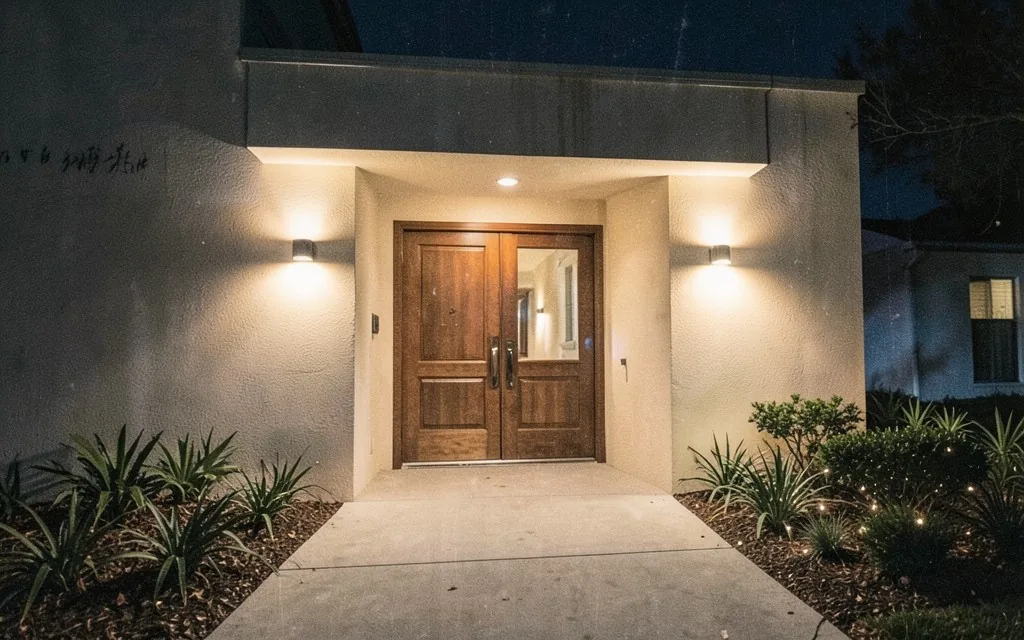
Landscape lighting
Entrance, signage and pedestrian route lighting installed with the hardscape, so conduit goes in while the ground is open rather than being cut in afterwards.
Local conditions
What makes a commercial landscape expensive to own?
Five installation decisions that set the recurring bill for the life of the property.
A scheme that needs constant attention
CauseExtensive annual bedding and fussy planting specified because it looks impressive on handover day. Every square foot of it is a recurring labour line for as long as the building exists.
FixPermanent structure planting carrying the scheme, with annual colour concentrated only where it earns its keep — the entrance and the lobby approach. Same impact, a fraction of the ongoing cost.
Turf where nobody walks
CauseLawn used as default ground cover across a commercial site. It is the most demanding surface there is — mowing, feeding, and the largest single share of the irrigation bill — and much of it is never used.
FixTurf sized to where people actually go, with beds, groundcover and low-water planting elsewhere. On a large site this alone reshapes both the maintenance contract and the water bill.
Irrigation designed by the installer, not the planting
CauseSpray heads throughout, zoned by convenience, on a controller left at its installation schedule. It over-waters half the site, under-waters the rest and costs money continuously.
FixZones set by plant water need, drip in every bed area, and a smart controller with a rain sensor commissioned properly at handover rather than left on defaults.
Hardscape built for the photograph
CausePaving specified for appearance without regard to the traffic, the trolleys or the vehicle overrun it will actually see. It fails at the edges first and looks tired within three years.
FixBase preparation and unit selection matched to the real loading, edges restrained properly, and movement joints placed to the slab geometry rather than a default grid.
The work disrupts the business
CauseA project run as though the site were empty — car park closed for a fortnight, entrance hoarded, deliveries blocked. The landscape improves and the tenants remember the fortnight.
FixPhased construction with a written access plan, work sequenced so no area is closed longer than necessary, and noisy operations timed outside trading or clinic hours.
Specification
Property types we build for
Six, and what each one is really buying from the installation differs.
Office parks and corporate campuses
Buying a leasing impression. The entrance, the approach and the pedestrian route carry more weight than acreage, and enhancement is timed to the leasing calendar.
Retail centres
Buying dwell and legibility. Clean sight lines to signage, comfortable pedestrian routes and planting tough enough for high traffic and reflected car-park heat.
HOA communities
Buying something the board can defend. Entrances and amenity grounds built to look established quickly and to cost the association less every year afterwards.
Healthcare facilities
Buying calm and clear access. Unobstructed routes and bays, low-litter planting near entrances, and species chosen so maintenance noise is infrequent.
Industrial and warehouse
Buying compliance and perimeter tidiness. Sight lines at exits, screening where it is required, and schemes that need very little attention.
Municipal and institutional
Buying durability against public use. Robust hardscape, planting that recovers from traffic, and irrigation that can be audited.
How it runs
Design, phase, build, hand over
On an operating property the phasing plan is as much of the proposal as the design is.
- 01
Site assessment
Existing condition, drainage, irrigation, access, traffic patterns and how the business runs through the week and the year.
- 02
Design and cost both ways
The scheme drawn and rendered, with the projected recurring maintenance cost of the options stated alongside the capital figure.
- 03
Phasing and access plan
Written sequencing so no area is closed longer than necessary, with noisy work timed outside trading, clinic or tenant hours.
- 04
Ground works first
Grading, drainage and sleeving before anything visible, so no finished surface is reopened for a service run later.
- 05
Build and plant
Hardscape, irrigation, planting and lighting in sequence, with the site left safe and passable at the end of every working day.
- 06
Commission and hand over
Irrigation programmed and documented, an establishment schedule for the first year, and an as-built record for whoever maintains it afterwards.
What it costs
What does commercial landscaping cost in The Woodlands?
Project ranges. Site size, hardscape extent and how much has to be phased around an operating business drive the figure.
Smaller works and renovations $800 – $5,000+
Bed renovation, an entrance refresh, a seasonal colour installation or a targeted planting scheme on an existing property.
Full commercial projects $15,000 – $150,000+
Design and installation across a commercial site — hardscape, planting, irrigation and lighting, generally phased around the operating business.
Recent work
Typical commercial installations
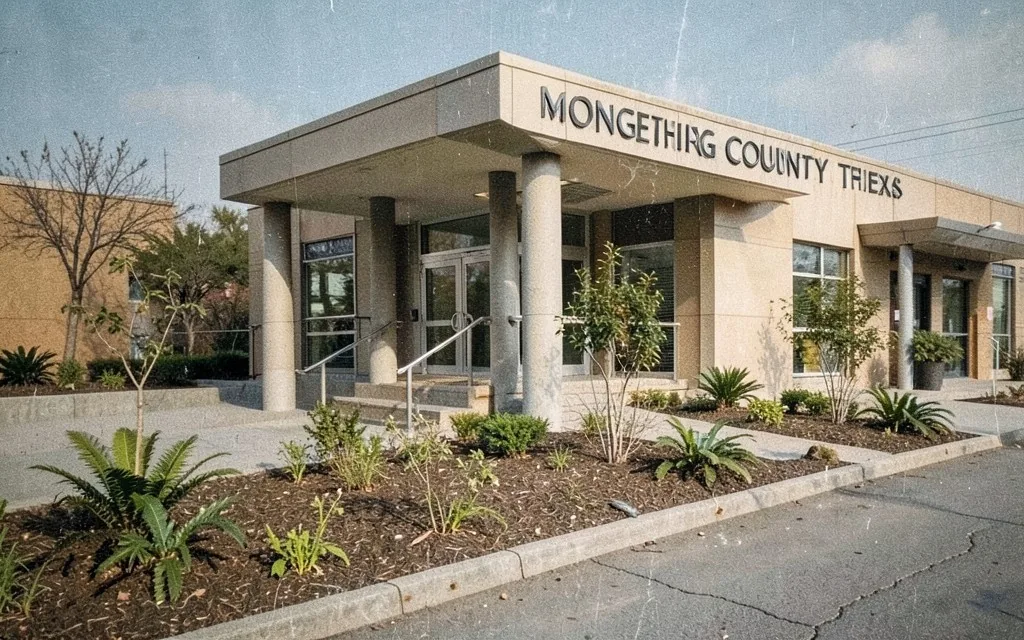
The Woodlands
Corporate entrance rebuilt around structure planting, cutting the recurring colour budget while improving the arrival.
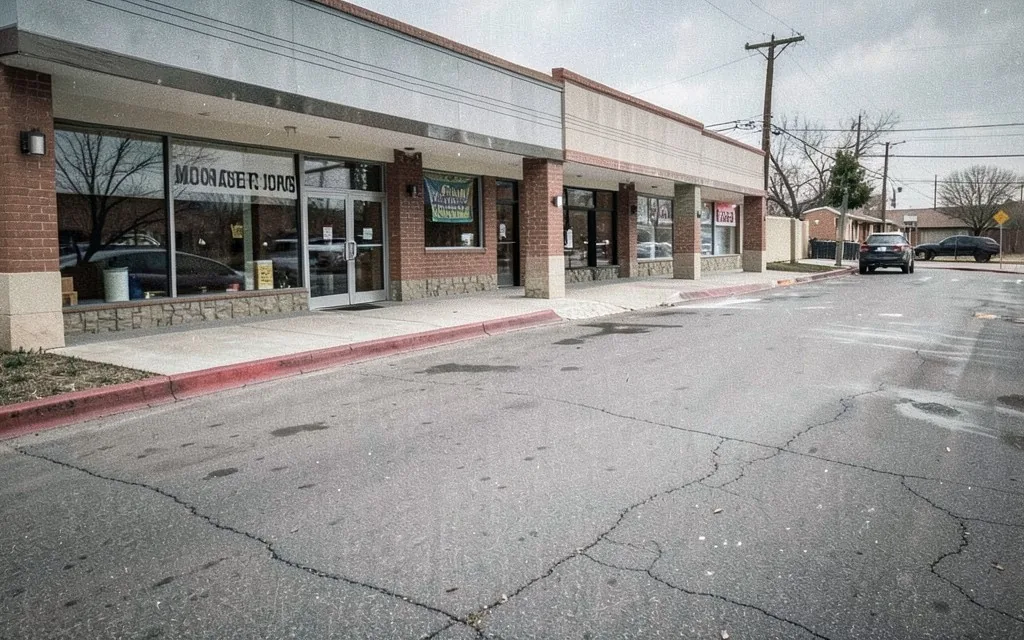
Spring
Retail frontage rebuilt in phases with a written access plan, so no part of the car park closed for more than two days.
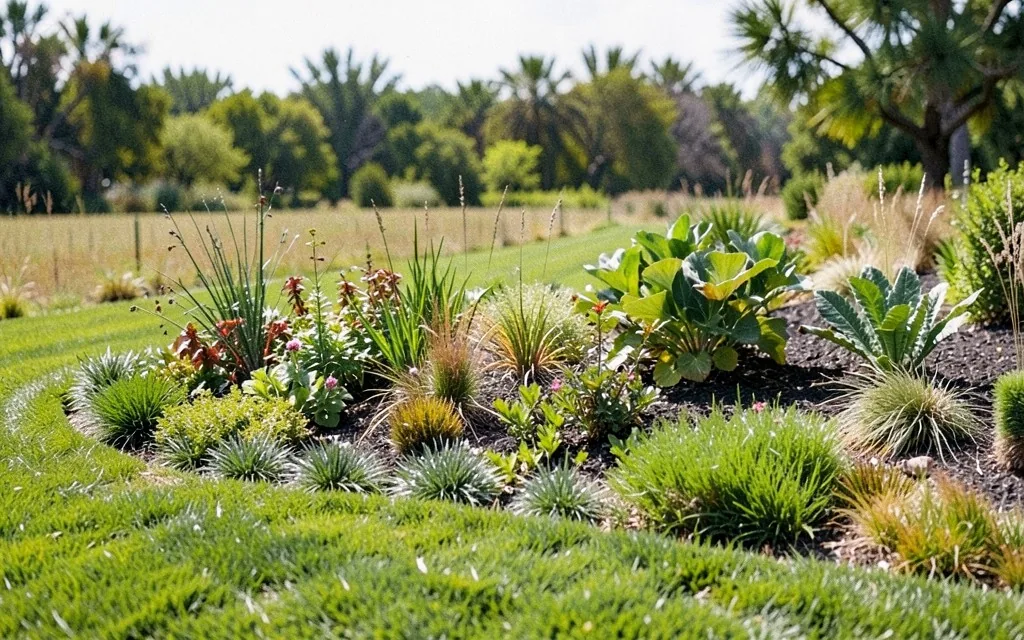
Conroe
Large turf areas converted to low-water planting, documented for rebate, with the water saving reshaping the maintenance contract.
Why homeowners choose us
Why owners and managers build with us
- 01
Recurring cost is designed, not inherited
The projected maintenance figure is stated with the capital cost, so ownership compares both before choosing.
- 02
Turf sized to where people go
Lawn is the most demanding surface on any commercial site. Using it only where it is walked on reshapes the running cost.
- 03
Phased around your operation
A written access plan, noisy work outside trading hours, and no area closed longer than it has to be.
- 04
Irrigation designed to the planting
Zoned by water need with drip in beds and a smart controller commissioned properly, rather than left on installation defaults.
- 05
Built for the traffic it will see
Base preparation and unit selection matched to real loading and vehicle overrun, with edges restrained properly.
- 06
$2M insured, licensed and bonded
Certificates issued to the correct entity as part of the contract paperwork rather than on request.
Questions
Commercial landscaping — frequently asked
How much does commercial landscaping cost in The Woodlands?
Full commercial projects — design and installation across a site, covering hardscape, planting, irrigation and lighting — run $15,000 to $150,000 and up depending on size and scope. Smaller works such as bed renovation, an entrance refresh or a targeted planting scheme are typically $800 to $5,000 and up. How much has to be phased around an operating business is a real cost factor, and we price it openly rather than absorbing it.
Do you provide certificates of insurance for commercial projects?
Yes — $2M liability coverage, licensed and bonded, with certificates issued to the correct entity as part of the contract paperwork rather than on request. On installation work with excavation, heavy equipment and a live site, most owners and procurement departments treat that as a prerequisite rather than a reassurance, so it goes out with the proposal.
Can you work after business hours to minimize disruption?
Yes, and on an operating property we plan it rather than offer it. The proposal includes a written phasing and access plan: which areas are affected and for how long, where deliveries and parking move to, and which operations happen outside trading, clinic or tenant hours. The landscape improving is the point, but tenants remember a fortnight of closed car park far longer than they notice new planting.
What types of commercial properties do you service?
Office parks and corporate campuses, retail centres, HOA communities, healthcare facilities, industrial and warehouse sites, and municipal or institutional properties. The horticulture overlaps substantially; what differs is what the installation is actually buying — a leasing impression, clear access, something a board can defend, or simply a perimeter that needs very little attention.
Do you handle HOA common area landscaping?
Yes, both installation and ongoing maintenance. For installation the priority is usually entrances and amenity grounds, built to look established quickly and to cost the association less every year afterwards — which for a volunteer board is the argument that actually lands. Our HOA page covers the recurring side, including board reporting and how proposals are presented.
How quickly can you respond to commercial emergencies?
We run a 24/7 route for contract clients, prioritised by whether the property can operate safely — a limb across an entrance or a blocked access route comes before cosmetic damage. Damage is photographed before anything is cleared, which matters for the ownership insurance claim and is the step most easily lost in the rush to make the site presentable again.
Do you provide detailed service reports?
On installation projects you receive a phasing schedule during the works and an as-built record at handover, including the irrigation zone layout and programming, plant schedule and an establishment care plan for the first year. That record matters more than people expect — it is what lets whoever maintains the property afterwards do so without guessing at what is buried where.
Can you help with water conservation for commercial properties?
It is one of the strongest returns available on a large site. Turf is the biggest single share of a commercial irrigation bill, so reducing it to where people actually walk, converting bed areas to drip, and commissioning a smart controller typically produces a substantial recurring saving. Where utility turf-conversion rebates apply we document the claim, and on commercial acreage the payback is often measured in months.
Should we renovate or start again?
Renovation is usually better value where the hardscape and drainage are sound and the problem is tired planting or an overgrown scheme — that is a bed renovation, not a rebuild. Starting again makes sense when the drainage is wrong, the hardscape is failing at the base, or the original layout does not match how the property is now used. We will tell you which one you have rather than quoting the larger job by default.
Do you work with architects and general contractors?
Regularly, and on new construction the earlier we are involved the better the result. Sleeving, conduit, grading and drainage all want resolving while the ground is open and the contractor is already on site. Coming in after the paving is down and the slab is poured means cutting into finished work for every service run, which costs several times more and never looks as clean.
How long does a commercial project take?
Design and approvals typically take four to eight weeks. Construction depends on scope and on phasing: a frontage renovation is one to two weeks, a full site installation four to twelve weeks or longer where the work must be broken into phases so the business keeps operating. Phasing extends the calendar without extending the labour, and we set out both in the proposal so nobody is surprised.
Do you maintain what you install?
Yes, and continuity is worth having. The crew that maintains a property we built already knows what was planted, how the irrigation is zoned and what the establishment plan says — which is exactly the knowledge that gets lost at handover to a third party. It is not a condition of the installation contract; we quote maintenance separately so it stands on its own merits.
Who has to approve a commercial landscape installation before work starts?
Most Montgomery County commercial sites need the property manager’s sign-off and, on newer developments, the deed-restriction committee or the municipal utility district as well. Submitting the planting plan and irrigation layout before mobilising avoids a rebuild. We have seen approved schemes torn out after installation because a species on the drawing was not on the district’s permitted list.
Where we work
Commercial installation across North Houston
We design and build commercial landscapes across Montgomery County and North Houston — The Woodlands, Spring, Conroe, Magnolia, Tomball, Willis and Montgomery. Phasing around an operating business is the norm here rather than the exception.
Often specified alongside: commercial landscape maintenance, office park landscaping, HOA landscaping, landscape design, water-conserving landscapes, irrigation installation.
Start here
Request a commercial proposal
We assess the site, design the scheme, and quote the capital cost alongside the recurring maintenance figure — so ownership can compare both before deciding.