
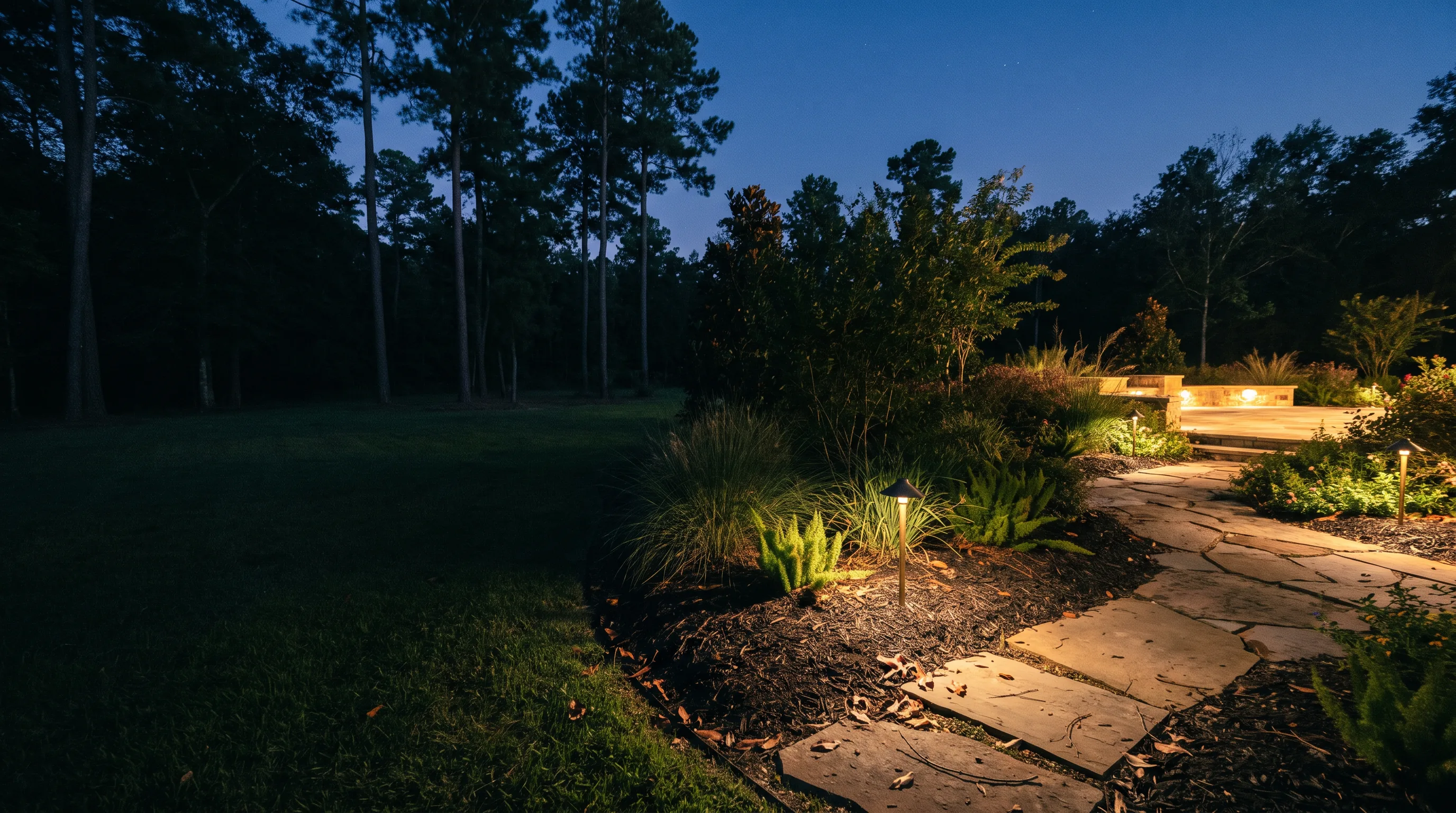
Full-service landscaping
One company from the drawing to the last plant
Design-build landscaping across The Woodlands, Spring and Conroe — planting, hardscape, drainage, irrigation and lighting delivered as one project by one accountable team.
A landscape project usually involves grading, drainage, hardscape, planting, irrigation and lighting, and the failures happen at the boundaries between those trades — the patio poured before the drainage was decided, the irrigation trenched after the paving went down. Running it as one project under one contractor removes those seams. Most Montgomery County homeowners invest $15,000 to $40,000 for comprehensive front and back landscaping.
Below: what landscaping costs at each level here, the best time of year to do it, how long a project takes, and which plants actually perform in this county.
What we build
What we build
Six disciplines, sequenced as one project rather than coordinated between contractors.

Design and master planning
Scaled plans, plant schedules and grading drawn before anything is built. Where we install, the design is included in the project.
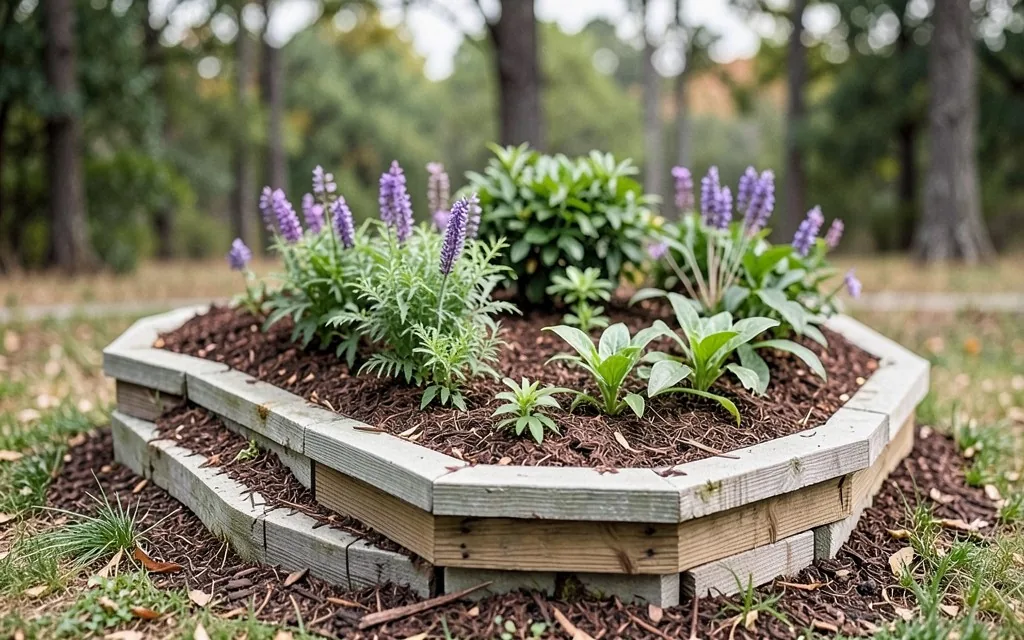
Planting and beds
Zone 9a planting selected for the sun, shade and drainage of each specific bed, planted at proper depth into improved soil rather than into a hole in the clay.
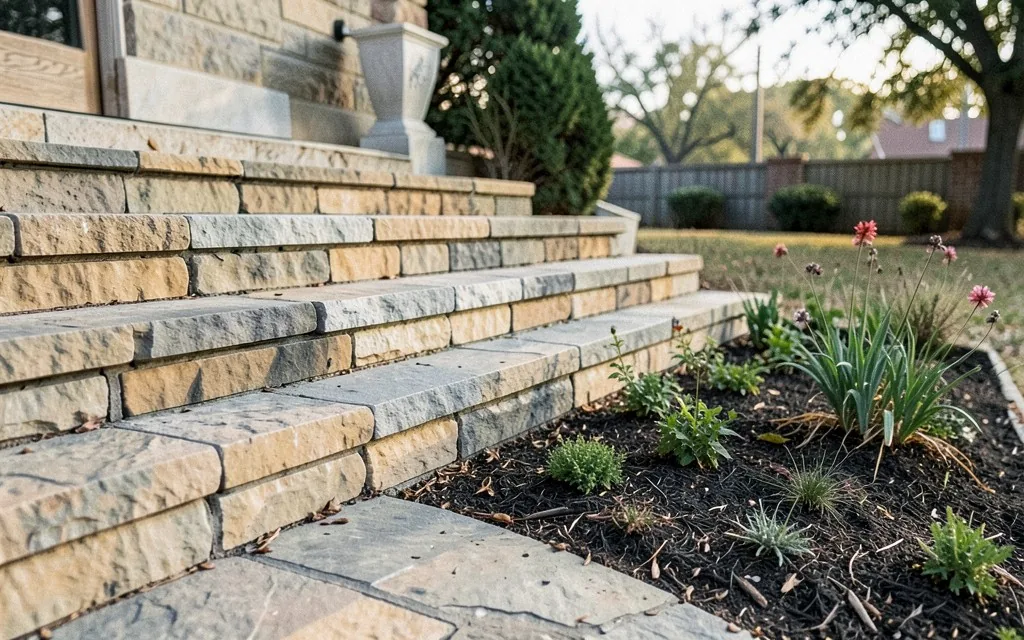
Hardscape
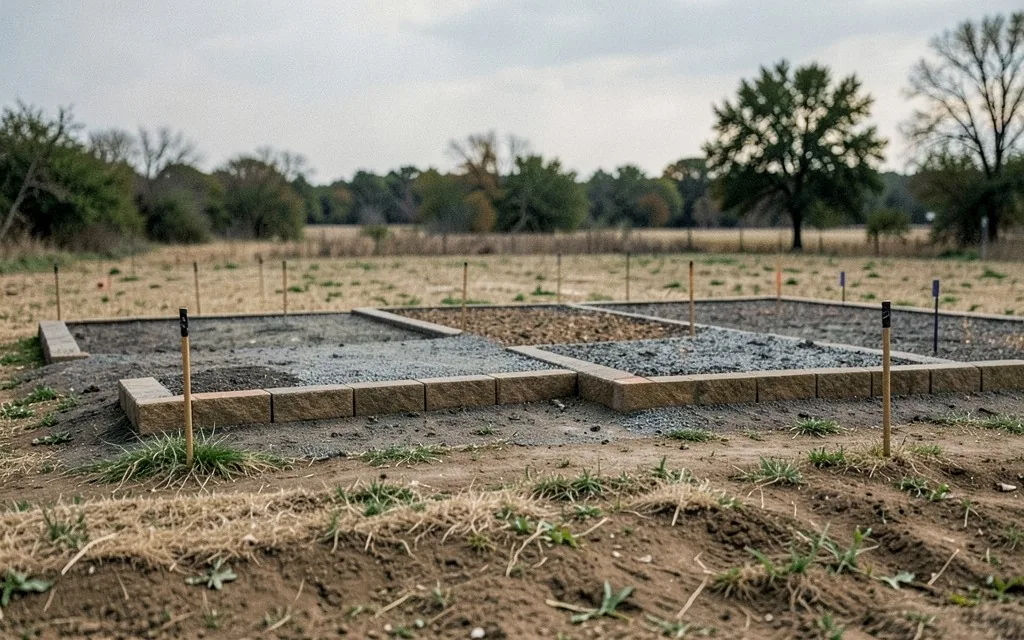
Patios, walkways, walls and driveways on properly prepared bases, jointed for the movement Beaumont clay actually applies.
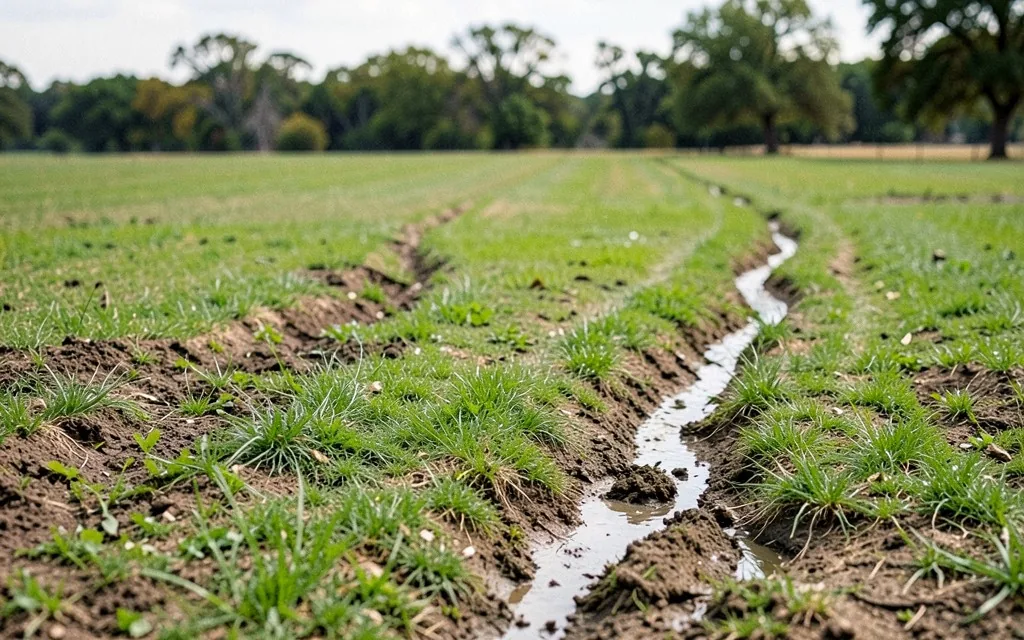
Drainage and grading
Fall established and water routed to a defined discharge point. Designed before the planting, because it is the layer everything else sits on.
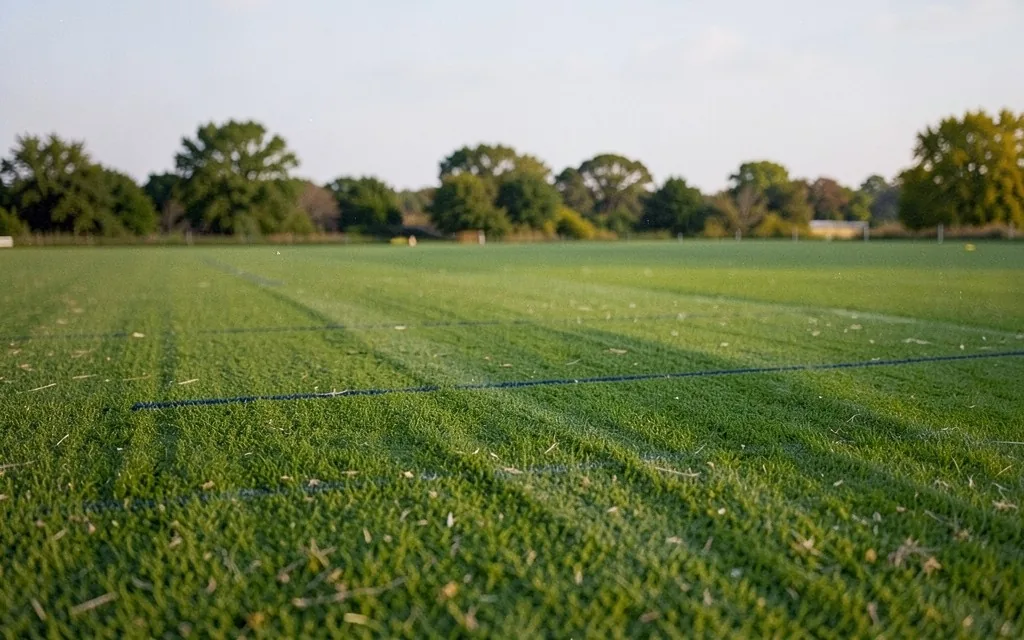
Irrigation
Zones matched to the planting, spray for turf and drip in beds, on a controller programmed for the season rather than left at the installer default.
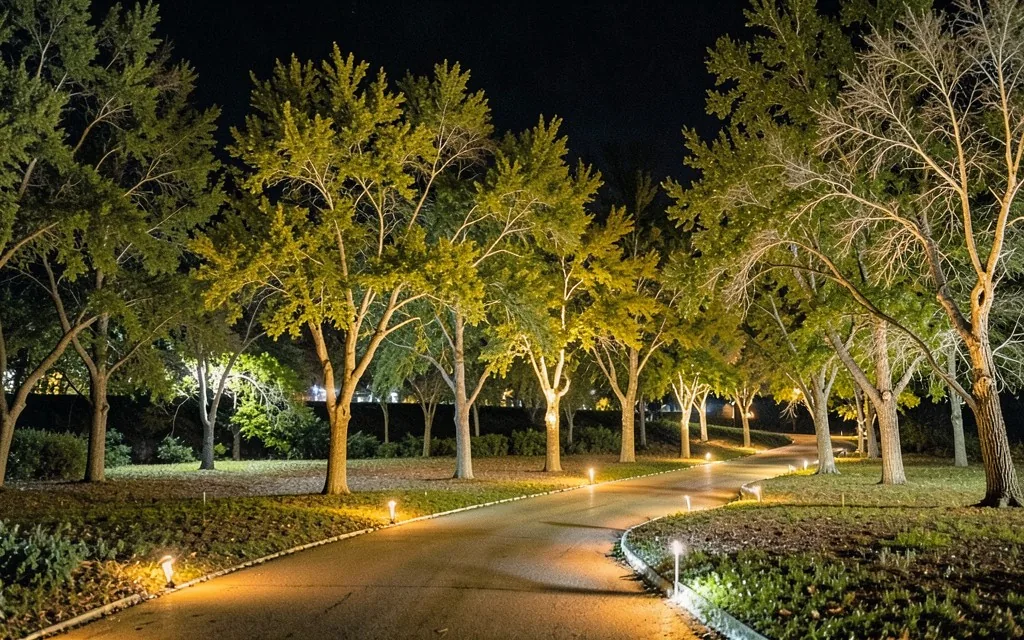
Landscape lighting
Low-voltage lighting designed with the planting, with conduit trenched during construction instead of cut into finished paving afterwards.
Local conditions
Why do landscaping projects go wrong?
Four failures, and all four happen at the joins between trades.
Drainage decided after the hardscape
CauseThe patio and beds built first, then the water problem discovered in the first storm. Retrofitting drainage under finished paving costs several times what designing it in would have.
FixGrading and drainage resolved on the drawing before anything is built, with a named discharge point. It is the first layer of the project, not a remedial one.
Utilities cut in afterwards
CauseIrrigation and lighting installed after the paving and turf are down, so finished surfaces are trenched open within a year of being built.
FixSleeves and conduit run during construction while the ground is already open. It costs almost nothing at that stage and a great deal later.
Plants chosen from a catalogue
CauseSpecies selected for looks rather than for zone 9a heat, Beaumont clay and the actual light on that bed. They look right for one season and thin out in the second.
FixPlanting selected bed by bed for sun, shade and drainage, planted into improved soil at the right depth. The same species can thrive on one side of a house and fail on the other.
The scheme is planted too full
CauseBeds planted at mature spacing minus half, because the property has to look finished on handover day. Three years later the shrubs are touching, air movement stops, disease follows, and half of what you paid for has to come out.
FixPlanting spaced for what the species actually reaches, with fast annuals or perennials filling the gaps for the first two seasons. The scheme looks deliberately open in year one and correct in year four, and we explain that at the design stage rather than after.
No single point of accountability
CauseSeparate contractors for hardscape, planting and irrigation. When something fails at a boundary, each one points at the other and the homeowner is the project manager.
FixOne contractor for the whole scheme, with the designer still involved through construction. There is one number to call and no boundary to argue about.
Specification
What performs in Montgomery County
Six conditions that shape every decision on a property here.
Beaumont clay
Dense, slow-draining and highly expansive. It shapes drainage design, hardscape base preparation and planting technique — soil improvement is not optional here, it is the foundation of the whole scheme.
Zone 9a heat
Long hot summers with high humidity. Plant selection has to survive August, which is a much shorter list than the catalogue suggests, and it is the month that decides what stays.
Uneven rainfall
Around fifty inches a year arriving in bursts, so a property is alternately saturated and in drought. Drainage and irrigation both matter, and neither substitutes for the other.
Mature pine and oak canopy
Deep shade across much of The Woodlands, with root plates that constrain where you can excavate. Shade-tolerant planting and careful hardscape edges are the local craft.
Reliable performers
Live oak, yaupon and dwarf yaupon, Texas sage, gulf muhly and other ornamental grasses, salvias and native perennials. Structure first, seasonal layer around it.
Covenants and review
Much of the county is covenanted. The Woodlands requires a DSC submission and ARC approval, in a specific format, before work starts — a schedule item, not a formality.
How it runs
Consult, design, build, hand over
Six steps. The sequencing is the value — each trade goes in when the ground is still open for it.
- 01
Free consultation
We walk the property, hear how you use it, and establish scope and budget honestly before drawing anything.
- 02
Design and drawings
Survey, concept and a rendered scheme you can see from the patio door and the street. Changes here cost a revision, not a rebuild.
- 03
Approvals
Covenant and ARC submissions prepared in the required format, with the review period built into the schedule rather than bolted on.
- 04
Grade and drain
Levels corrected, drainage installed and discharge established. The layer everything else is built on top of.
- 05
Build and plant
Hardscape, sleeves and conduit, irrigation, planting, turf and lighting — in the order that means no finished surface gets reopened.
- 06
Hand over and follow up
Controller programmed, watering and establishment care explained, and a follow-up visit while problems are still easy to fix.
What it costs
What does landscaping cost in The Woodlands?
Ranges for Montgomery County. Most homeowners invest $15,000 to $40,000 for comprehensive front and back landscaping.
Basic landscape package $3,000 – $8,000
Foundation planting, basic beds, mulch and simple design for smaller properties or a single focused area.
Mid-range landscape $10,000 – $30,000
Custom design, quality planting, some hardscape — walkways or a small patio — and irrigation integration.
Premium landscape $30,000 – $75,000+
Comprehensive design, premium materials, integrated hardscape, professional lighting and water features.
Estate and luxury $75,000 – $200,000+
Full property transformation with high-end materials, specimen planting and site-wide lighting, usually built in phases.
Recent work
Recent projects
The Woodlands
Complete front and back scheme — regrading, terrace, planting and lighting — ARC approved on first submission.
Spring
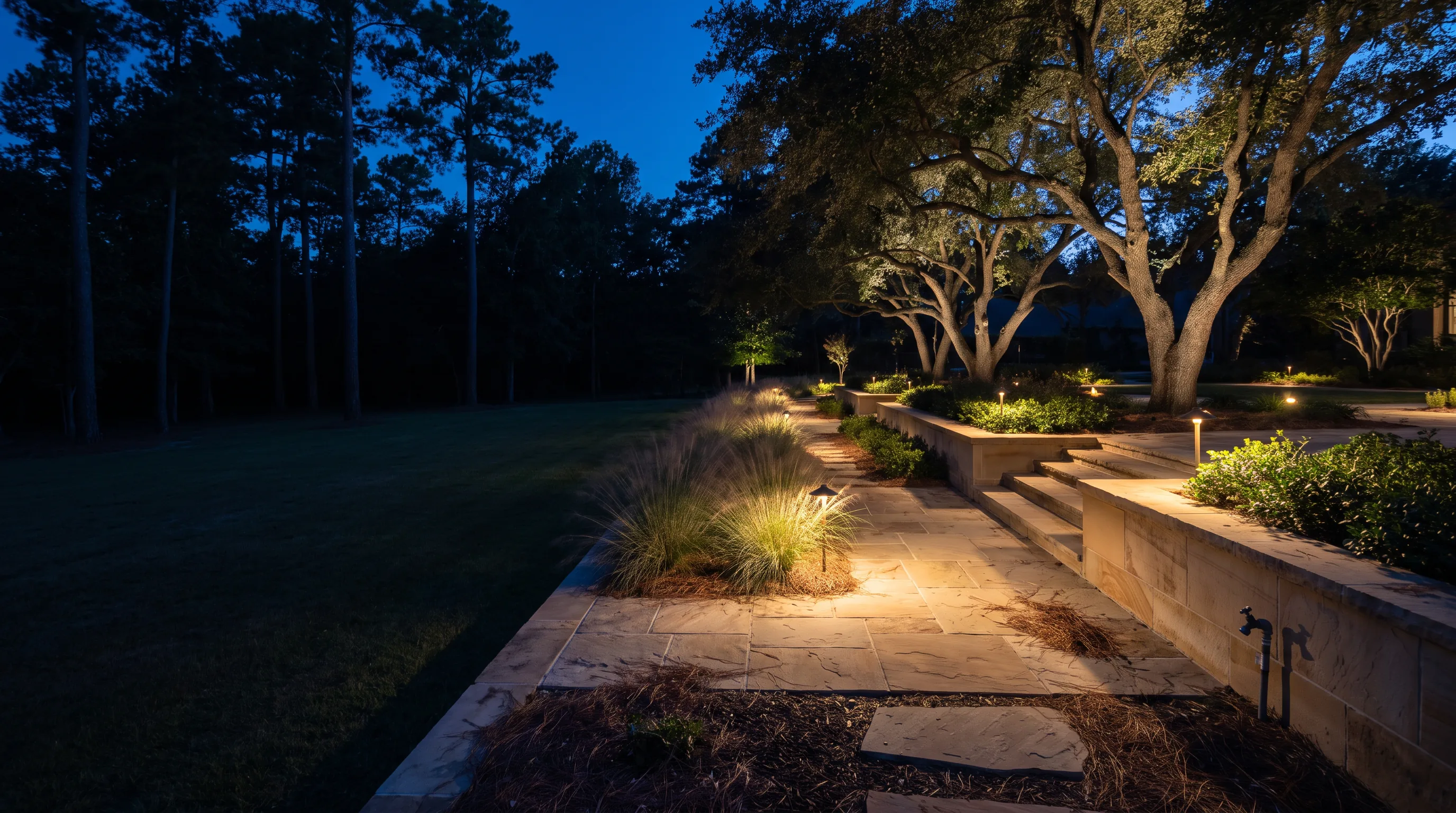
Walkway, structured beds and irrigation designed together so nothing was trenched open afterwards.
Conroe
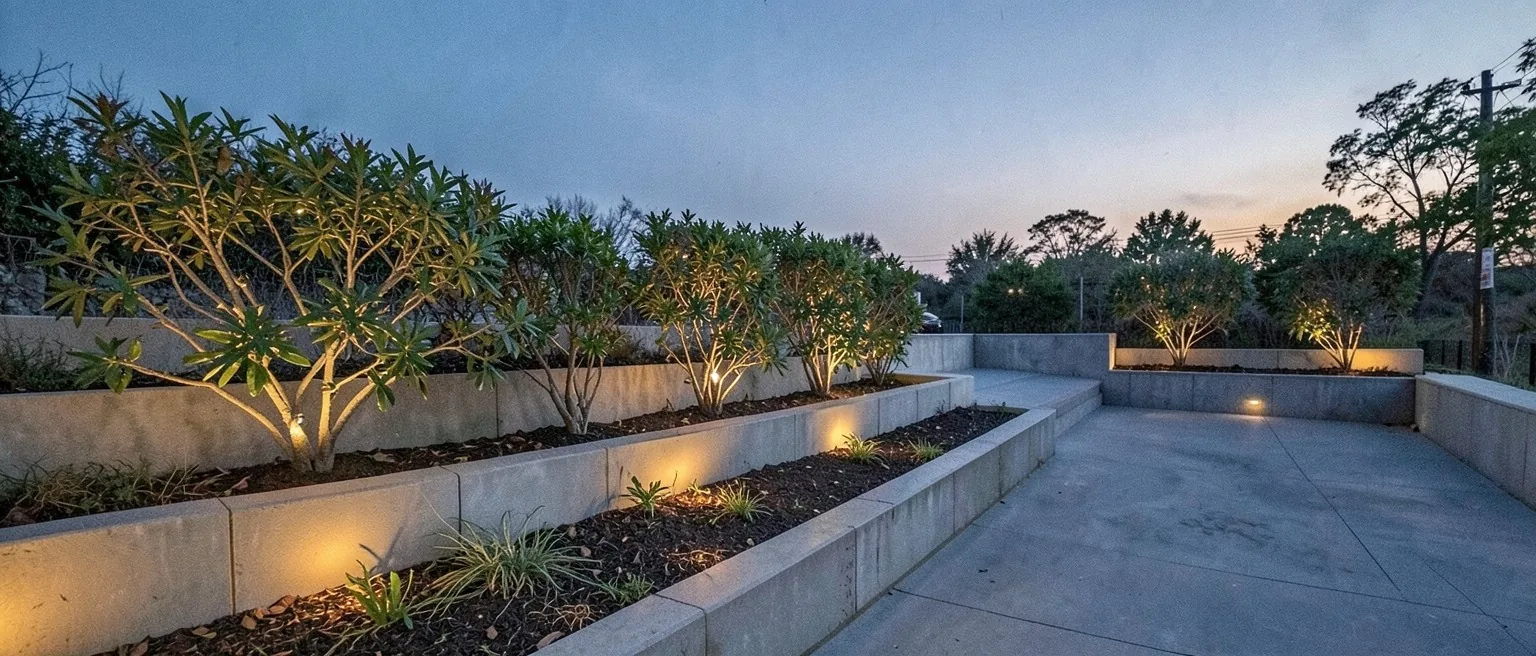
A waterfront property built in three phases from one master plan, each phase finished in its own right.
Why homeowners choose us
What we do differently
- 01
One contractor, one number
Design, hardscape, drainage, irrigation, planting and lighting under one accountable team. No boundaries to argue about.
- 02
Drainage first
Grade and discharge resolved before anything is built. It is the layer the rest of the project sits on.
- 03
Conduit while the ground is open
Irrigation sleeves and lighting conduit installed during construction rather than cut into finished paving next year.
- 04
Plants chosen bed by bed
For the sun, shade and drainage of that specific bed. The same species can thrive on one side of a house and fail on the other.
- 05
You see the drawing first
The whole scheme rendered before anything is dug, which is when changing your mind is still free.
- 06
Family-run
Boone and Rhonda are on the projects. The people who designed it are the people you call afterwards.
Questions
Landscaping — frequently asked
How much does landscaping cost in The Woodlands?
From around $3,000 for a basic package to $200,000 and up for estate work. Most homeowners invest $15,000 to $40,000 for comprehensive front and back landscaping. A basic package of foundation planting and beds runs $3,000 to $8,000; a mid-range scheme with custom design, quality planting and some hardscape is $10,000 to $30,000; premium work with integrated hardscape, lighting and water features runs $30,000 to $75,000 and up.
What is the best time of year for landscaping in Texas?
Autumn and early spring are ideal for planting — soil is warm, air temperatures are moderate, and roots establish before the next stress period. October through March is the strongest planting window here. Hardscape, drainage and grading can be done year-round, though saturated clay stops earthwork. Summer installation works with attentive watering but carries more risk and more establishment cost, and we will say so rather than take the booking silently.
How long does a landscaping project take?
Design takes three to six weeks, plus two to six more if an HOA or ARC submission is required. Construction depends on scope: a planting refresh is a few days, a mid-range scheme with hardscape and irrigation two to four weeks, and a full property transformation six to twelve weeks or longer. Weather is the main variable — saturated Beaumont clay stops grading and hardscape work entirely.
Do you handle HOA approvals?
Yes, as part of the project. Much of Montgomery County is covenanted, and The Woodlands requires a Development Standards Committee submission with drawings in a specific format plus ARC approval before work begins. We read your village covenants before designing, prepare the submission in the format the committee expects, and build the review period into the schedule. A submission that is right first time avoids a resubmission cycle that can cost a planting season.
What plants work best in Montgomery County?
Species that handle Beaumont clay, zone 9a summer heat and a wet spring. Live oak, yaupon and dwarf yaupon, Texas sage, gulf muhly and other ornamental grasses, salvias and native perennials all perform reliably. The genuine skill is matching each plant to the light and drainage of its specific bed — the same species can thrive on one side of a house and struggle on the other, and that is what a site-specific design is for.
Do you offer landscape maintenance after installation?
Yes. We run weekly and bi-weekly maintenance routes with dedicated crews, so the same team that knows the property services it. It works particularly well after an installation, because the crew knows what was planted, where the irrigation runs, and what the beds are supposed to look like. Establishment care in the first year is where new planting is won or lost, and it is easier when one company owns both halves.
Can the project be built in phases?
Yes, and for larger schemes it is often the sensible route. We draw the master plan once, then build it in stages you can budget for year by year. The important discipline is designing the phases so each one looks finished on its own rather than leaving the property visibly mid-project — and sequencing them so that later phases do not require reopening earlier work.
Do you install irrigation and lighting too?
Yes, and doing them within the same project is the main reason to use one contractor. Irrigation sleeves and lighting conduit go in while the ground is already open, which costs almost nothing at that stage and a great deal once paving and turf are finished. Both are designed with the planting rather than fitted around it, so zones match water needs and fixtures light what the design intended.
What about existing trees?
We design around them wherever it is realistic, because mature pines and oaks are most of what makes a Woodlands property look the way it does. That means respecting critical root zones when excavating, keeping hardscape edges clear of root plates, and sometimes working under an arborist plan. What we will not do is promise a tree survives when the design puts a foundation through its roots — in that case the honest options are moving the element or removing the tree.
What happens in the first year after installation?
Establishment, and it is the period that decides whether the scheme succeeds. New planting needs deep infrequent watering that tapers across the first twelve months, mulch maintained at depth, and beds kept weeded until the planting closes. Expect some plant losses — a small percentage is normal even with good stock and good planting — and expect the beds to look deliberately open, because they are spaced for what the plants become rather than for handover day.
Do you work on commercial properties?
Yes — HOA common areas, office parks, retail frontages and multi-family properties, both installation and ongoing maintenance. Commercial projects carry different requirements around scheduling, access, appearance standards and often phased work around occupied buildings, and those go into the contract explicitly rather than being assumed. The design and construction discipline is the same.
Can you take over a project another company started?
Often, but we will survey what is already in the ground first. Base preparation and drainage are the two things that decide whether existing work is worth building on, and both are invisible once the surface is down. We would rather spend an hour opening a small area to check than inherit a base that fails in year two with our name on the finished job.
Where we work
Landscaping across North Houston
We design and build across Montgomery County and into North Houston — The Woodlands, Spring, Conroe, Magnolia, Tomball, Willis and Montgomery. Clay, heat and covenanted communities are the constants, and all three shape how a project is planned.
Often specified alongside: landscape design, hardscaping and paving, landscape lighting, irrigation installation, lawn drainage, lawn maintenance.
Start here
Start with a walk round the property
We visit within 48 hours, talk through scope and budget honestly, and come back with a scheme drawn to scale before anything is dug.