
Smaller projects
Small landscaping projects: a defined budget, spent where it actually shows
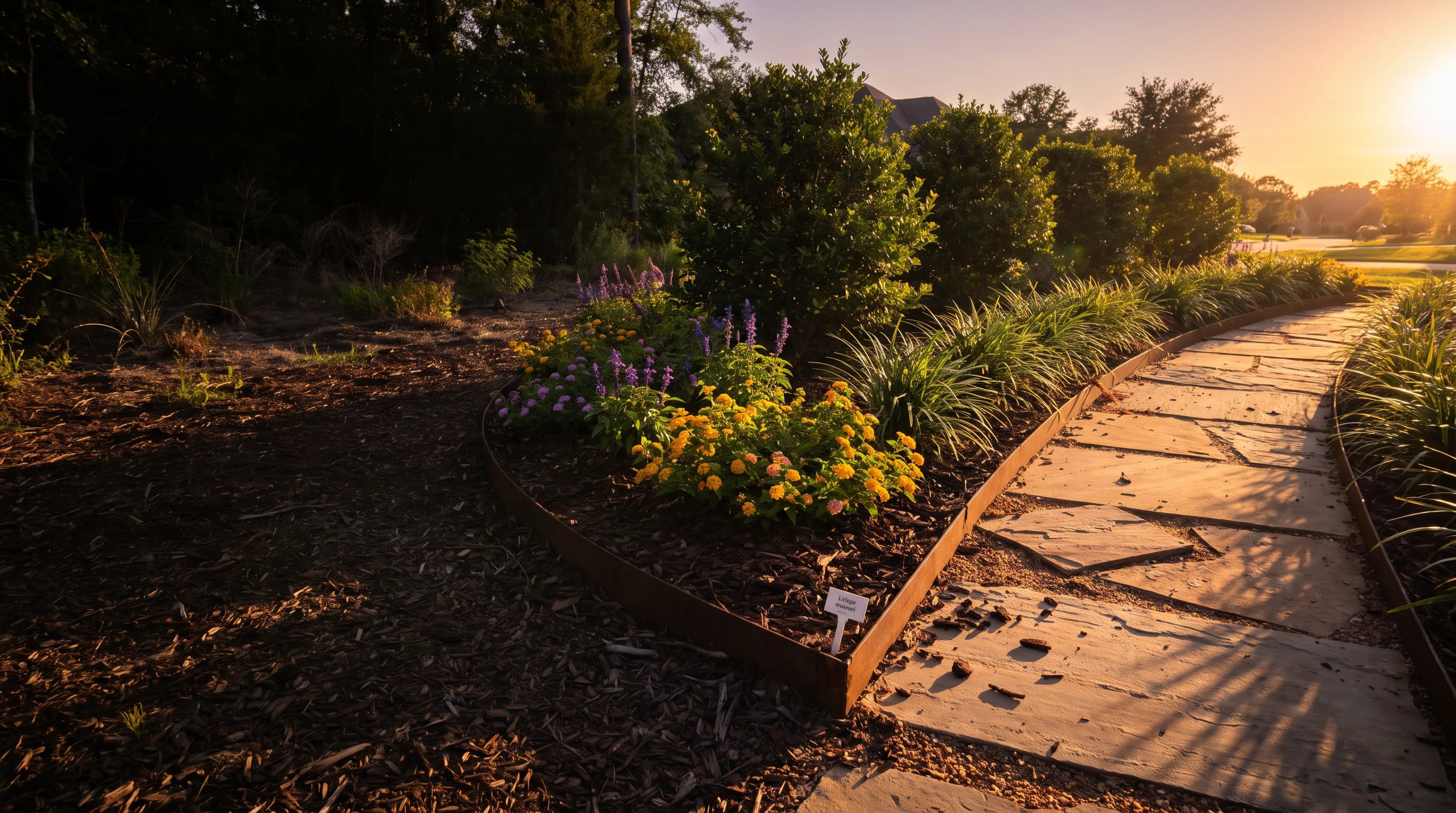
Front gardens, single terraces, bed renovations and courtyard schemes across The Woodlands, Spring and Conroe — scoped tightly so the money lands where anyone will see it.
On a smaller budget the decision that matters is not what to include but what to leave out. A scheme that tries to cover a whole property with a modest sum ends up thin everywhere and convincing nowhere; the same money concentrated on one area — the arrival, a single terrace, one bed run — reads as finished. Basic landscape packages here run $3,000 to $8,000, and a mid-range scheme with some hardscape $10,000 to $30,000.
Below: where smaller budgets produce the most visible return, what to spend on and what to defer, how a project is phased without looking half-done, and what genuinely cannot be economised.
What we build
What we build at this scale
Six scopes that work well as a defined, self-contained project.
Front garden and arrival
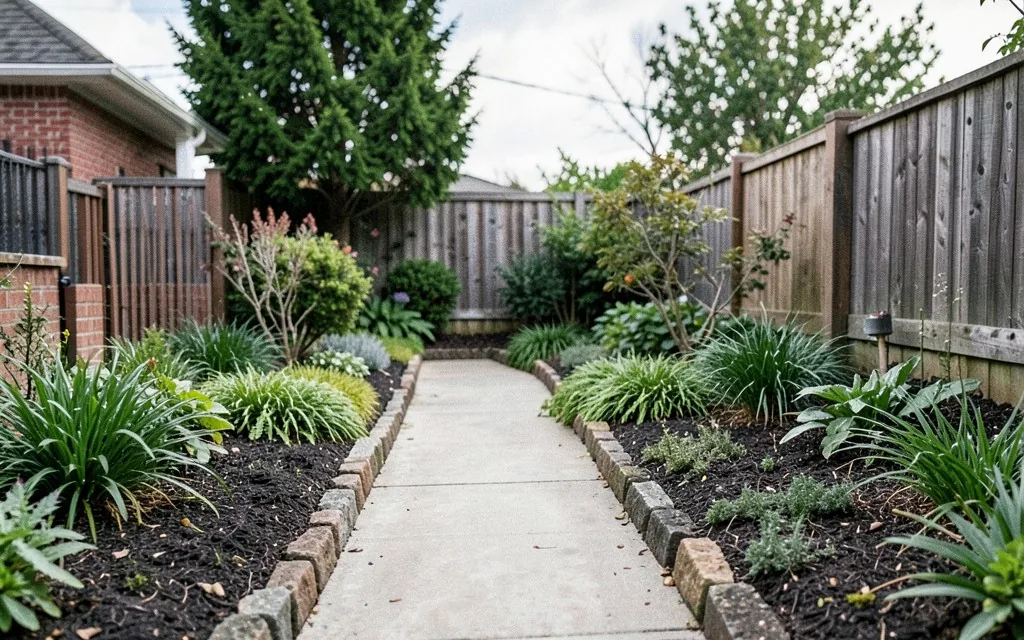
The elevation the house is judged on and the highest-return area on almost any property. Structure planting, a clear path and a bed line that reads from the street.
A single terrace
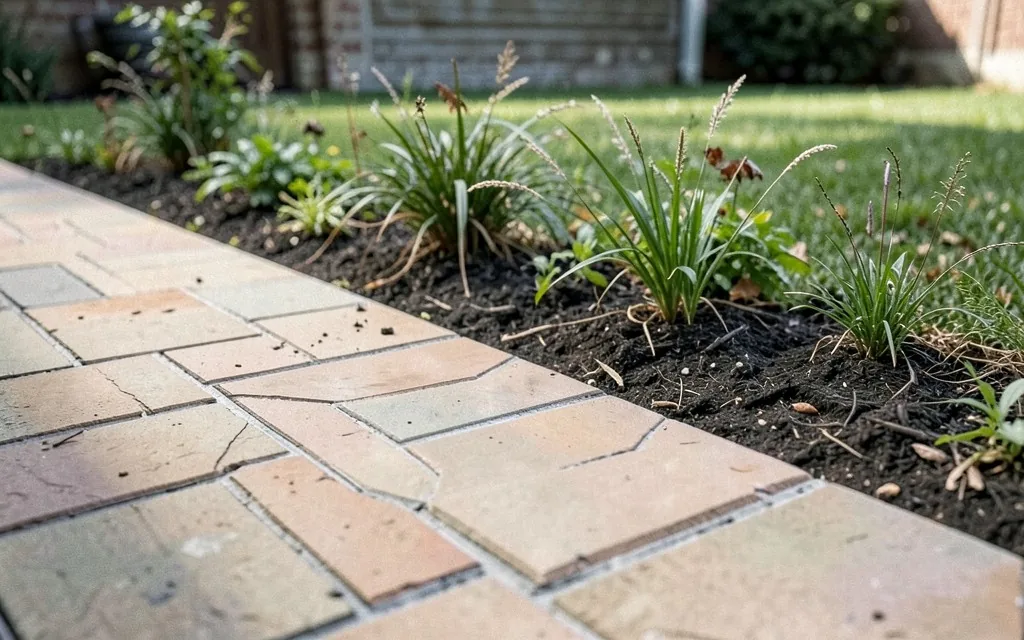
One well-proportioned paved area, properly based and jointed, sized to how you actually use it. Better than three small features competing for the same space.
Bed renovation
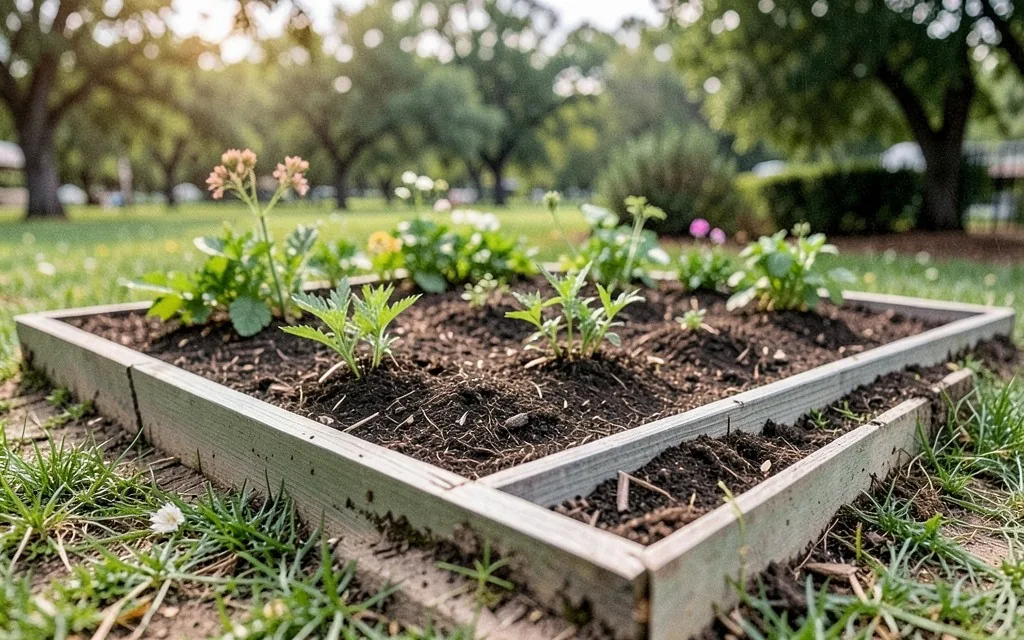
Existing beds cleared, soil improved, replanted for the light they actually get and mulched properly. Often the biggest visual change available for the smallest sum.
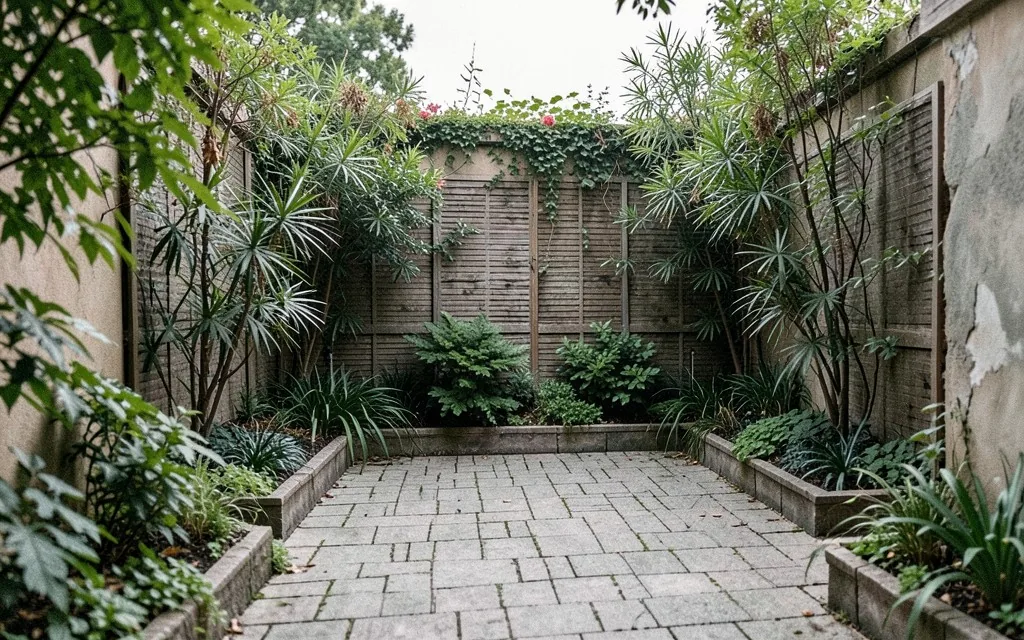
Courtyard and side-return schemes
Small enclosed spaces where every square foot is visible. Screening, a surface, one or two specimen plants and lighting — restraint does more here than variety.
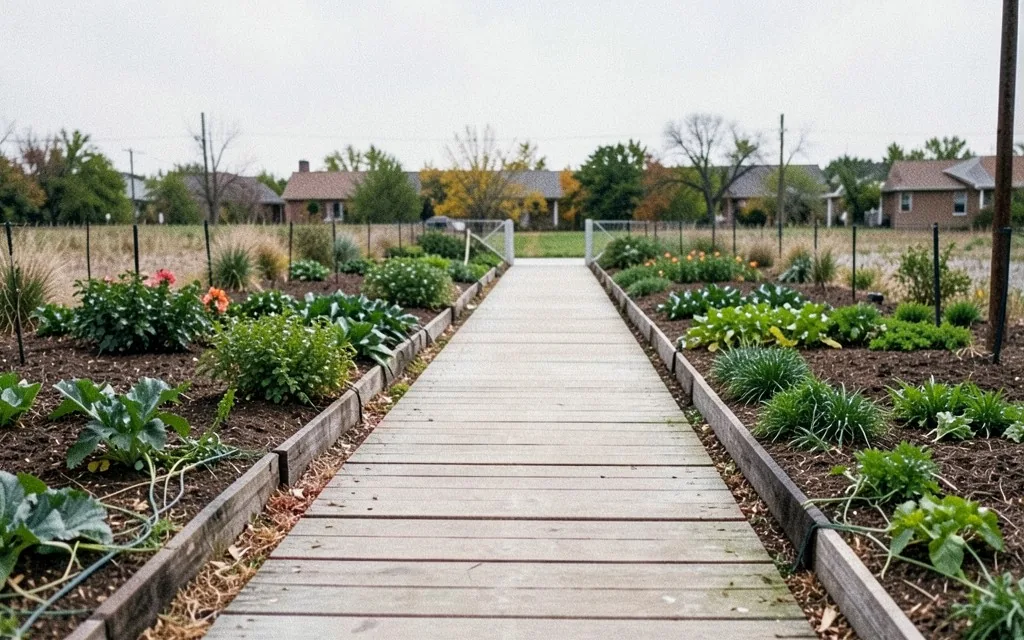
Path and walkway replacement
A failing or awkward path replaced on a proper base, with the route set by how people actually walk rather than by where the old one happened to be.
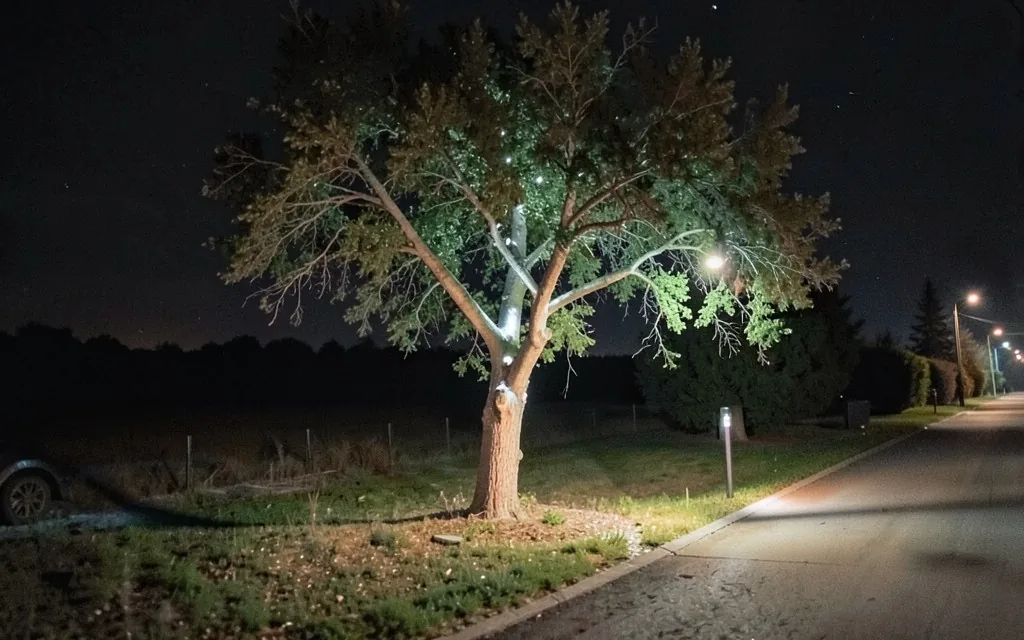
Lighting a single scene
Two or three fixtures on one tree or one facade transform a property after dark for a fraction of a full scheme. The cheapest dramatic change we sell.
Local conditions
Where does a small budget get wasted?
Five ways, and they all come from spreading the money rather than concentrating it.
Spread thinly across the whole property
CauseA modest sum divided between the front, the back and the sides. Every area gets a little and none gets enough, so the property reads as tidied rather than designed.
FixOne area done properly. Finish the arrival or finish the terrace, and leave the rest until there is budget to do it to the same standard. A finished area raises the whole property; four half-finished ones do not.
Saved on the base, spent on the surface
CauseA premium paver on an inadequate base. It looks excellent for two seasons and then settles, and the money is gone twice because it has to come up to be corrected.
FixBase preparation first, then whatever surface the remaining budget allows. A modest paver on a correct base outlasts an expensive one on a poor one, every time.
Plants bought at full size
CauseLarge container stock chosen for instant effect, which consumes most of a planting budget for a difference that disappears within three years as smaller stock catches up.
FixStructure planting at a size that establishes well, with the saving spent on soil improvement and more plants. Density and healthy roots read better within two seasons than a few large specimens.
Drainage left as a problem for later
CauseA visible improvement built over a known water problem, because the drainage was not the exciting part. It fails on the same timetable as it would have anyway.
FixIf water stands where you are building, that gets fixed first even if it consumes the visible budget. We will tell you plainly, and we would rather do a smaller scheme on sound ground.
No plan beyond this phase
CauseA one-off project designed in isolation. The next phase two years later does not relate to it, and the property ends up as a collection of unrelated episodes.
FixA sketch of where the whole property could go, even when only one part is being built. It costs very little and it means every later phase adds to the first rather than working around it.
Specification
Where the money shows
Six things ranked by visible return per dollar on a smaller property.
The arrival sequence
The path from the kerb to the door is seen by everyone including you, several times a day. It is almost always the highest-return area on a residential property.
Bed edges and mulch
A crisp cut edge and three inches of fresh mulch transform how a garden reads for a very small sum, and they make existing planting look deliberate rather than tolerated.
Soil improvement
Invisible, unglamorous and the difference between planting that thrives and planting that is replaced. On Beaumont clay it is the cheapest insurance available.
One or two lit scenes
A couple of fixtures on a specimen tree or a facade change a property completely after dark. Per dollar, lighting is the most dramatic thing on this list.
Structure over colour
Evergreen structure carries a garden through winter; annual colour lasts one season and has to be funded again. On a tight budget, structure first, colour later.
What not to economise
Base preparation, drainage and soil. All three are invisible, all three are permanent, and all three are what a cheaper quote quietly removes.
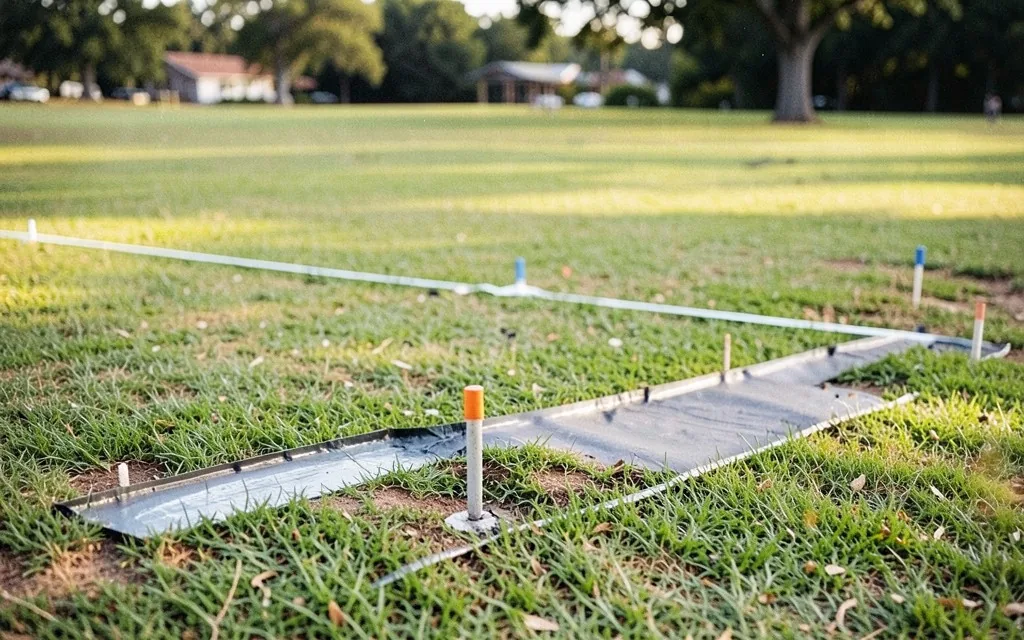
How it runs
Scope it, sketch the whole, build one part
The trick to a small project is deciding its edges before anyone gets attached to a longer list.
- 01
Free site visit
We walk the property, look at grade, light and soil, and talk honestly about what the budget will and will not stretch to.
- 02
Agree the edges
What is in this project and what is not, decided before design. This is the conversation that keeps a small project from becoming a thin large one.
- 03
Sketch the whole property
A light plan of where everything could eventually go, so this phase relates to the next one rather than being worked around later.
- 04
Design the phase properly
The area in scope drawn to the same standard as any project, including the base, drainage and planting detail.
- 05
Build it
Ground preparation first, then the visible work. Small projects are typically a few days on site rather than weeks.
- 06
Hand over and advise
Establishment care explained, and an honest view of what the next phase should be and roughly what it would cost.
What it costs
What do smaller projects cost?
Bands published across our residential work. Where a project lands depends on hardscape area more than on planting.
Basic landscape package $3,000 – $8,000
Foundation planting, beds, mulch and simple design for a smaller property or one focused area.
Front garden design and installation $5,000 – $25,000
The arrival sequence, planting, bed definition and lighting on the elevation the house is judged on.
Mid-range with some hardscape $10,000 – $30,000
Custom design, quality planting, a walkway or small terrace, and irrigation integration.
Recent work
Typical smaller projects
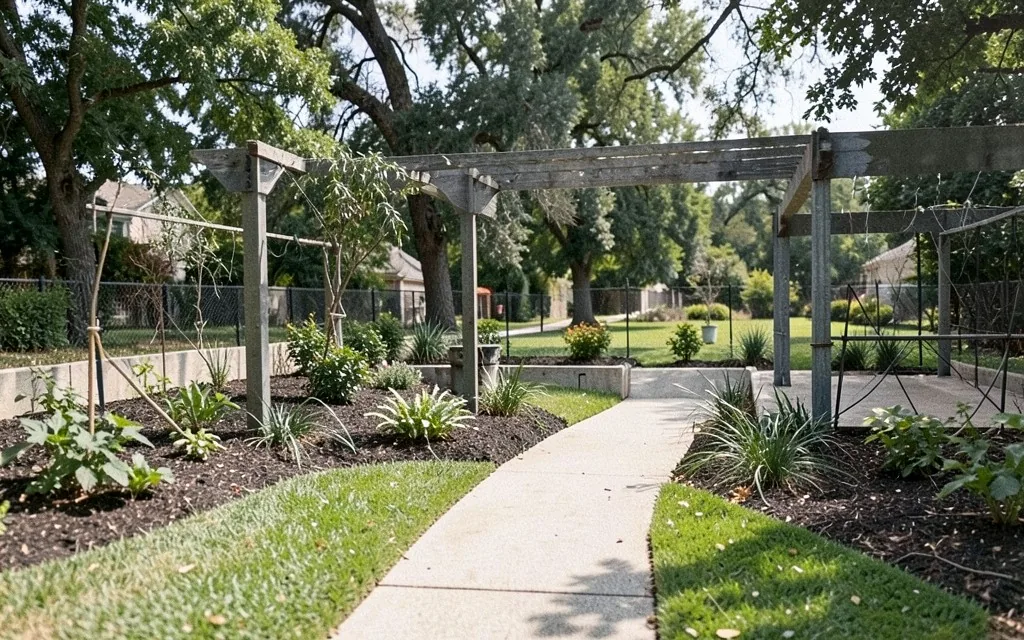
The Woodlands
Front garden rebuilt around structure planting and a defined path, with the rear left for a later phase.
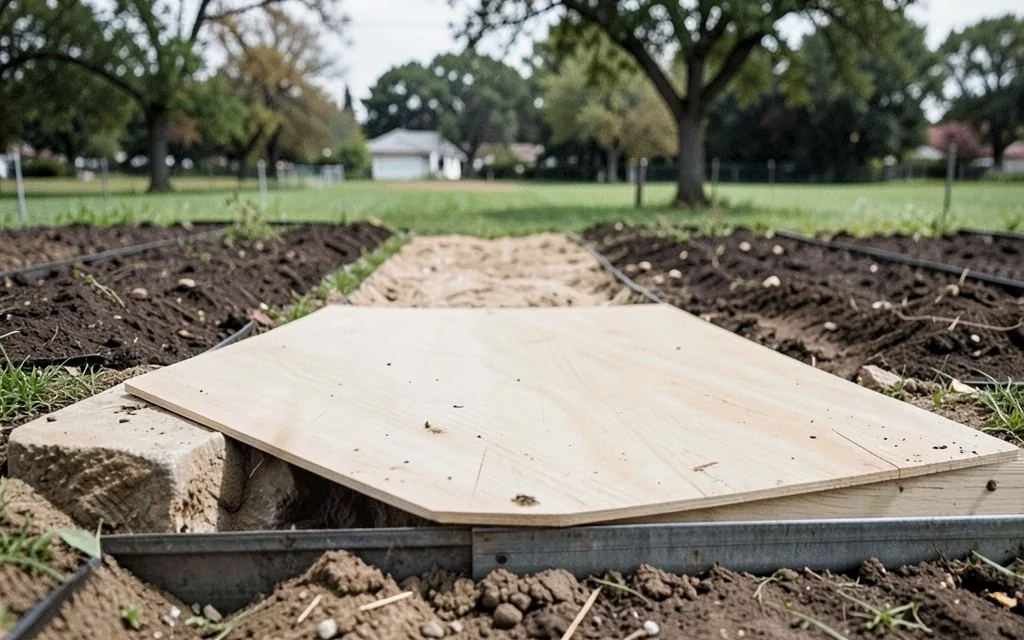
Spring
One well-proportioned terrace on a correct base, with the adjacent beds cleared, improved and replanted.
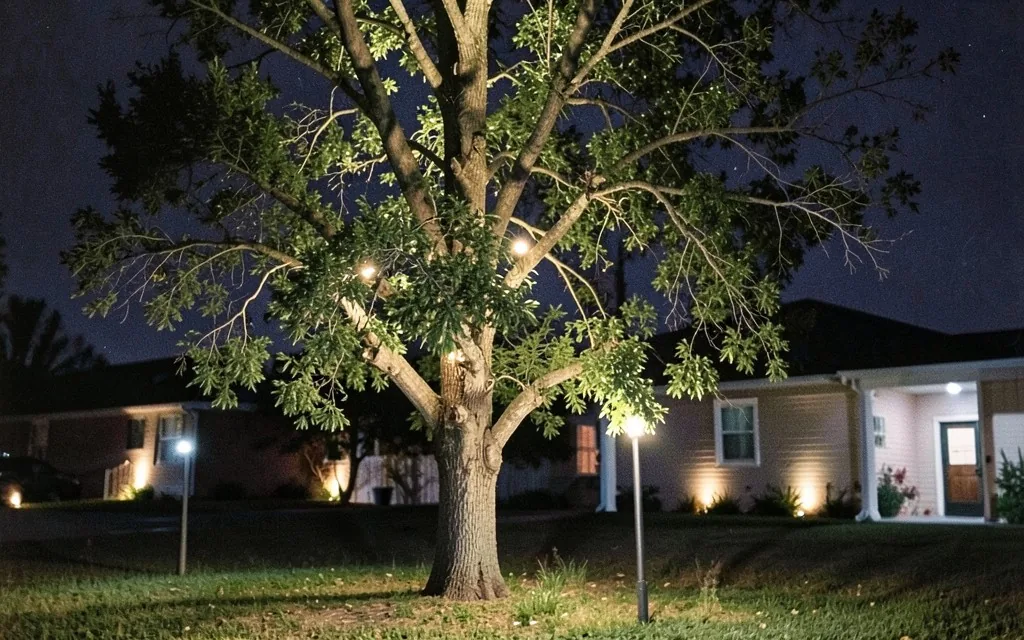
Conroe
A small lighting scheme on one specimen tree and the facade — the cheapest dramatic change on the property.
Why homeowners choose us
Why smaller projects are worth doing properly
- 01
Concentrated, not spread
One finished area raises the whole property. Four half-finished ones read as tidying rather than design.
- 02
The base is never the saving
A modest surface on a correct base outlasts a premium one on a poor base. We would rather downgrade the material.
- 03
A sketch of the whole property
Even when only one part is built, so later phases add to this one instead of working around it.
- 04
Honest about what fits
If the budget will not do what you are describing, we say so and propose the version that will, rather than thinning everything.
- 05
Drainage still comes first
If water stands where you are building, it gets fixed even when that consumes the visible budget. It fails otherwise.
- 06
The same standard as a large job
Small projects get the same base preparation, soil work and detailing. The scale changes; the method does not.
Questions
Smaller projects — frequently asked
What is the smallest project you take on?
Basic packages start around $3,000, which typically covers foundation planting, a bed run, mulch and simple design on one area. Below that we would generally tell you honestly that you are better off with a good local gardener than with a design-build contractor, because our overhead does not make sense on a job of that size and you would be paying for it.
Where should I spend a limited budget?
The arrival sequence, almost always — the path from the kerb to the door is seen by everyone including you, many times a day. After that, bed edges and mulch produce a disproportionate change for very little, and a couple of lighting fixtures on a specimen tree transform the property after dark. Soil improvement is invisible and the best insurance on the list.
Should I do a bit of everything or one area properly?
One area properly. This is the single most useful thing we can tell anyone with a modest budget. A sum spread across the front, back and sides gives every area a little and none of them enough, and the property ends up looking tidied rather than designed. The same money concentrated on the arrival or on one terrace reads as finished, and a finished area lifts the whole property.
Can a project be done in phases?
Yes, and we recommend it over stretching one budget thin. The important discipline is sketching the whole property first — even lightly — so that this phase relates to the next rather than being worked around in two years. It also means each phase is designed to look complete on its own, which matters more than people expect on a residential property you live with daily.
What should I not economise on?
Base preparation, drainage and soil. All three are invisible when finished, all three are effectively permanent, and all three are exactly what a cheaper quote quietly removes. A premium paver on an inadequate base settles within two seasons and costs twice, because it has to be lifted to fix. We would rather specify a cheaper surface and build it correctly.
Are large plants worth the extra?
Usually not, and it is a common way to spend a planting budget badly. Large container stock consumes most of the money for an advantage that disappears within about three years as properly established smaller stock catches up — and it often establishes more slowly because of the root disturbance. Spend the difference on soil improvement and more plants; density reads better within two seasons.
Do you design small projects or just build them?
Both, and even a small project gets drawn. It does not need a full master plan package, but it does need the base, the levels, the drainage and the planting resolved before anyone digs. We also sketch the wider property lightly at no real cost, so you can see how this phase fits what might come later.
How long does a small project take?
Design is usually one to three weeks. On site, a bed renovation or a lighting scene is a day or two, a front garden three to five days, and a single terrace with planting around a week. The main variable is weather — saturated clay stops any groundwork — and whether drainage has to be dealt with before the visible work begins.
Can I do some of the work myself?
Yes, and on a tight budget it is a sensible way to stretch it. Planting and mulching are genuinely doable, and we can supply a plan and a plant schedule for you to install. What we would steer you away from doing yourself is anything structural — base preparation, drainage, retaining, electrical — because those are the elements where a mistake is expensive and invisible until it fails.
Is it cheaper to combine a small project with maintenance?
It can be, and more importantly it usually protects the result. New planting is won or lost in its first year, and a crew already visiting the property knows what went in, how it should be watered and what the beds are meant to look like. It also means small problems get caught while they are still reversible. We quote the two separately so you can see each cost on its own, and there is no requirement to take both.
Will a small project still need HOA approval?
It depends what and where. Planting changes are usually fine; hardscape, structures, lighting and anything visible from the street commonly need review in covenanted communities, including throughout The Woodlands. We check what governs your property before designing, because even a modest project that has to be removed or altered afterwards is an expensive way to learn the rule.
Will a small project look unfinished next to the rest of the garden?
It can, and that is a design decision rather than a budget one. The way to avoid it is to give the new work a clear edge — a bed line, a path, a change of level — so it reads as a finished area rather than as the part that got done. What does look unfinished is work that peters out with no boundary, or that changes material halfway along. We would rather build a smaller area properly and stop at a line that makes sense than spread the same money thinly across the whole garden.
Where we work
Smaller projects across North Houston
We take on defined smaller projects across Montgomery County and North Houston — The Woodlands, Spring, Conroe, Magnolia, Tomball, Willis and Montgomery. The method is the same as a large project; only the scope changes.
Often specified alongside: landscape design, hardscaping and patios, landscape lighting, large-scale and estate projects, project gallery.
Start here
Tell us the budget, not just the wish list
We visit within 48 hours and tell you honestly what that figure will do — and which single area would give you the most for it.