

Tree Service in The Woodlands, Spring and Conroe
Tree service in The Woodlands, Spring and Conroe is loblolly over rooflines and live oak over drives, taken down in sections on ropes. There is rarely room to drop anything whole.
Since 2010 · Own climbers · Pruned to ANSI A300 · Montgomery County, 77380–77386
The two trees
What tree service has to deal with on this ground
Loblolly in The Woodlands, Spring and Conroe grows tall on a shallow plate. Three days of rain turn the clay to slurry, the wind arrives, and the tree goes toward the roof — Grogan’s Mill, Panther Creek, Indian Springs the same. Live oak holds. The risk is a cut in the wrong month and oak wilt in a stand that has stood a century. Texas A&M Forest Service: no oak pruning February through June. Every wound painted, any season.
Our climbers do five things. Almost none of them happen with room to spare: between a fence line, a roofline and the neighbor’s garage, most trees here come down in numbered sections lowered on a rigging line, which is a planning problem before it is a cutting one.
The five jobs
Removal, pruning, stumps and storms
Removal and pruning are two decisions about the same tree. Look at it before you assume which one you need.
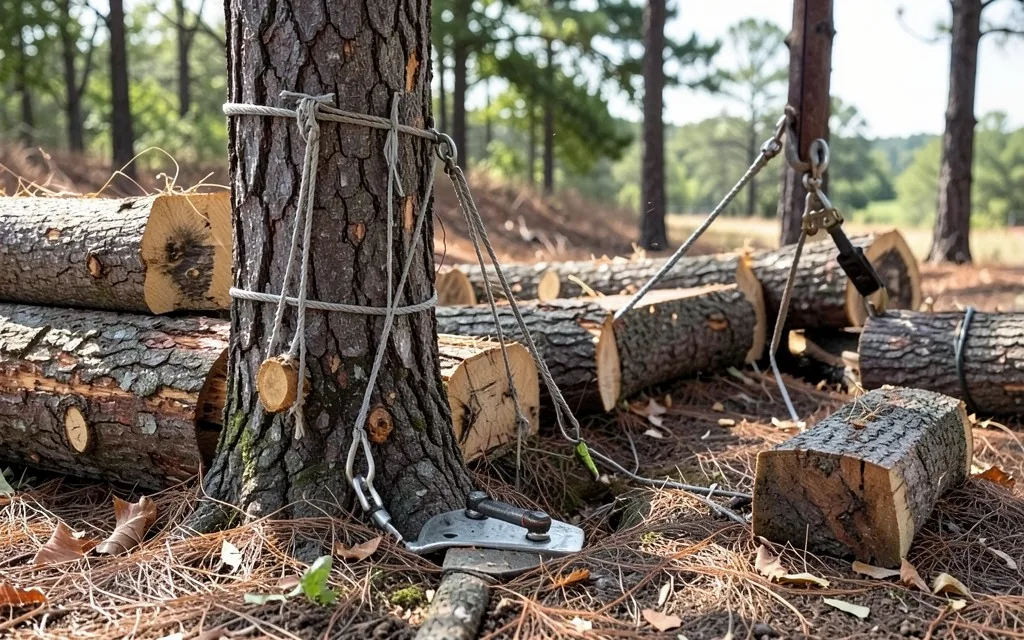
Tree removal
Climbed and lowered in sections where there is nowhere to drop it; flown out by crane where the target is a roof. Medium tree; large or crane.
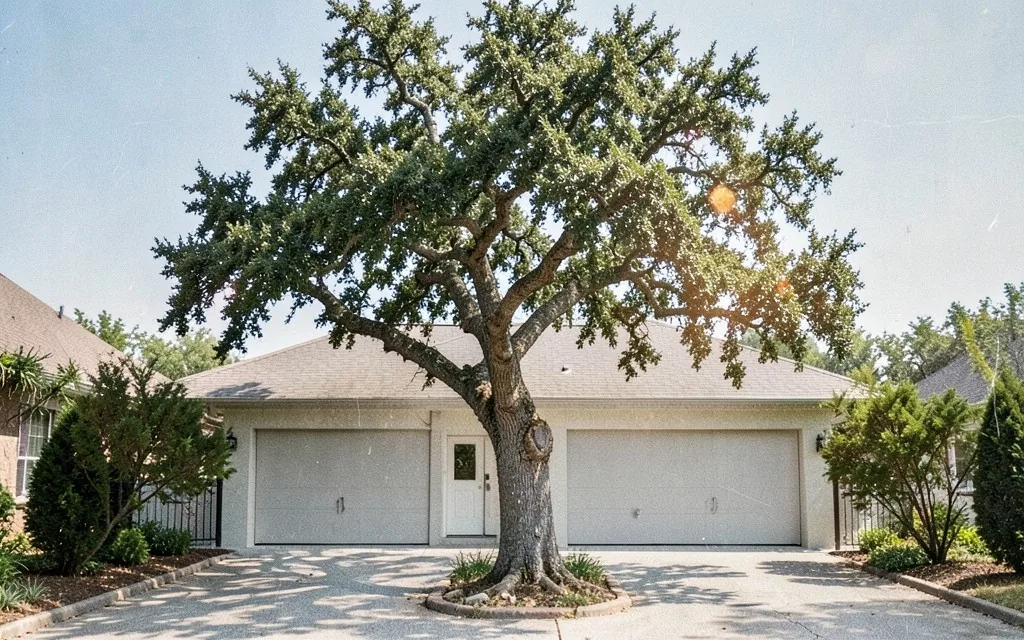
Tree pruning and trimming
Reduction cuts back to a lateral that can take over, to ANSI A300; crown raising over drives; deadwood out. by height.
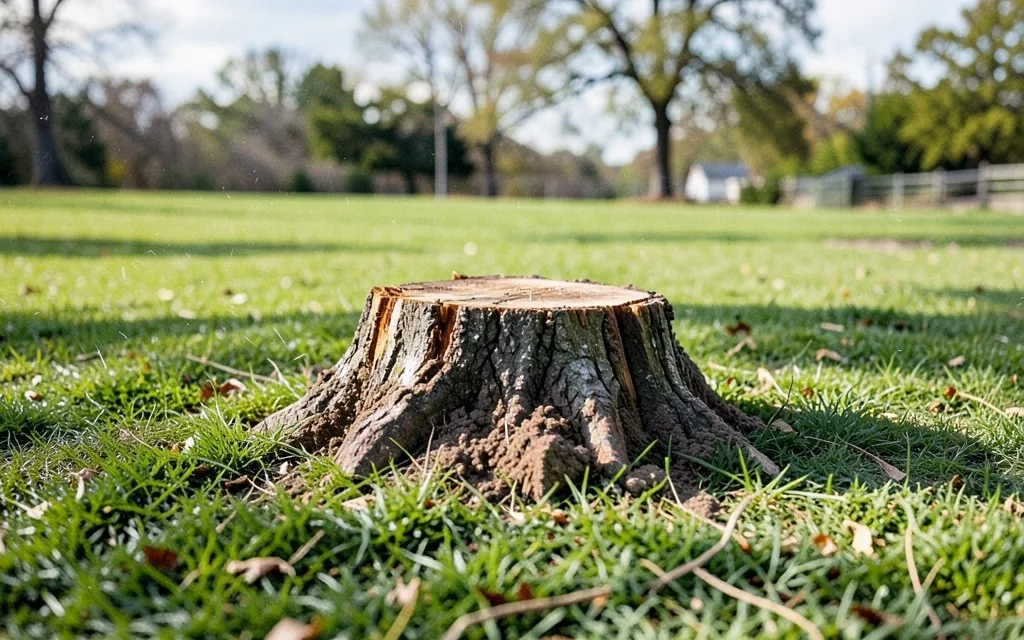
Stump grinding
Ground below grade with the surface roots taken back, then backfilled and raked so it can be turfed.; cheaper booked with the removal.
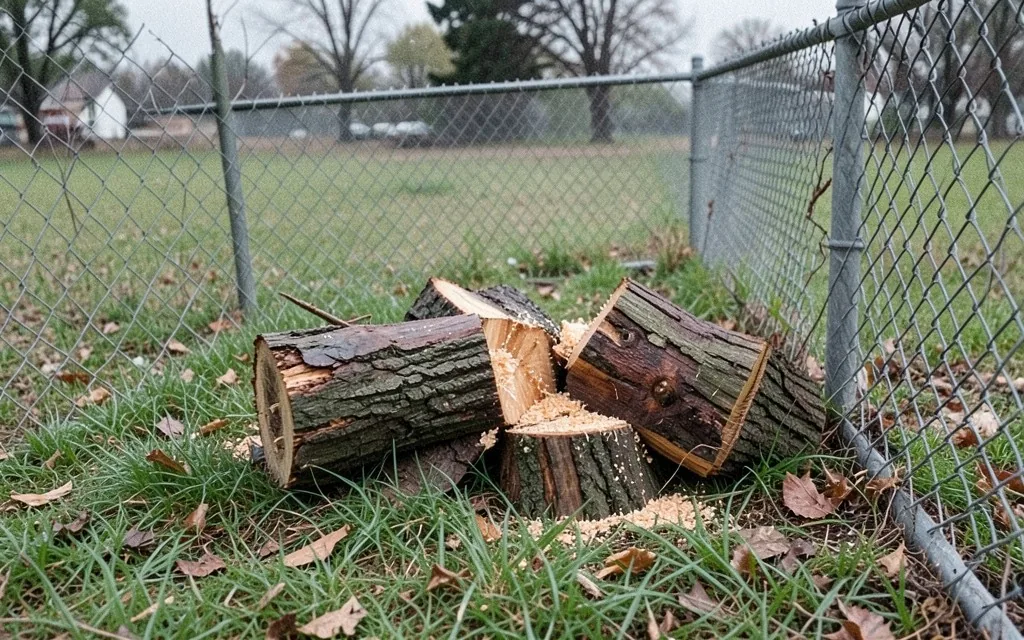
Storm damage response
Trees across drives and fences from; on a structure or needing a crane. Hung-up limbs are the ones that do not wait.
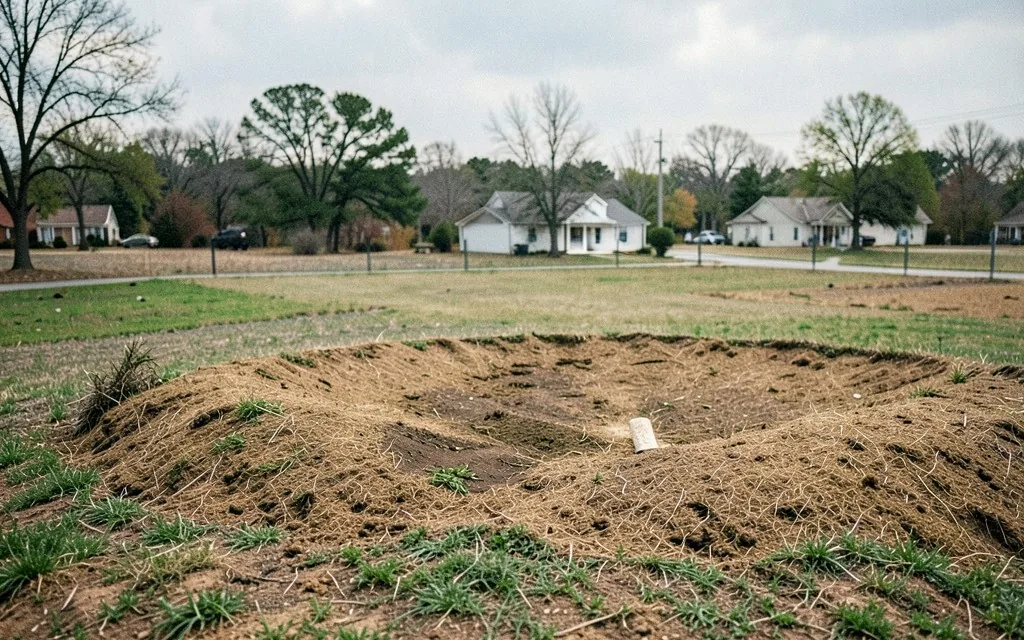
Land clearing and dirt work
Brush off, stumps out, then the ground graded to a fall — the levels are only right once the trees are gone. Site prep.
What fails
Why trees fail here
Three causes behind most of the calls — and the page that deals with each.
A lifted root plate nobody looked at
CauseSoil cracking in an arc at the base of a pine, or a lean that has changed since spring. That tree has already moved; the next wind is the one that matters.
FixAssessed before the storm. Where the plate has lifted, removal is the honest answer; where the trunk is sound, reduction lowers the sail.
Topping instead of reduction
CauseLimbs cut to stubs with no lateral to take over. The tree answers with weakly attached regrowth off a decaying cut face, and in five years carries more weight on a worse structure.
FixCuts made back to a substantial lateral, to ANSI A300, timed outside oak wilt season. That is the whole of the pruning page.
A stump left in and a lawn laid over it
CauseThe stump ground flush, the surface roots left, sod laid on top. The mower deck finds the roots within a season and the sod above the cavity sinks.
FixGround below grade with the roots taken back and the cavity backfilled before anything is planted.
Cost
What decides the number
Access moves the quote more than height.
Stump grinding After the visit
Standard stump medium large or behind a narrow gate.
Pruning and trimming After the visit
Structural cuts on young trees; a 30–60 ft tree; over 60 ft.
Tree removal After the visit
Sectional dismantling by size and rigging; a medium tree with good access; large or crane-assisted.
Storm response and clearing After the visit
Clearing from; on a structure +; lot clearing and grading by acreage.
Brush is chipped on site; wood is cut to length and stacked or hauled, priced either way at the visit.
On site
Tree work on this ground
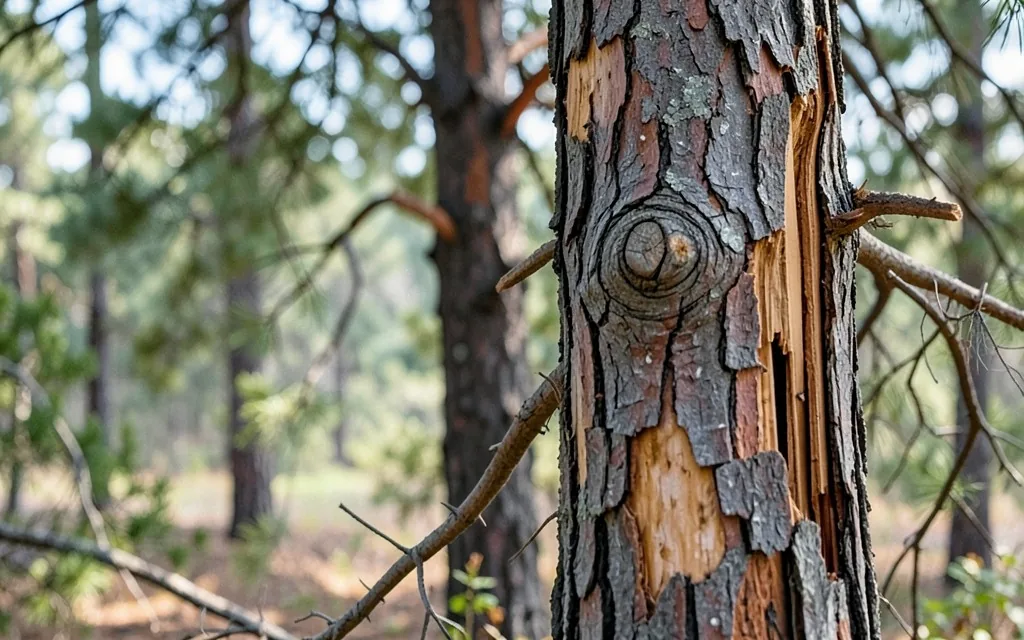
Large pine showing trunk decay and a split leader, assessed before removal
Questions
Questions
When can oaks be pruned here?
November through January. The Texas A&M Forest Service advises against February through June, when the beetles that carry oak wilt are drawn to fresh wounds. Storm-torn oak limbs are cut and painted at once, whatever the month, because the wound is already open.
What does it cost to remove a tree in The Woodlands?
A medium tree with good access is typically; a large tree or one needing a crane. Grinding the stump adds and is cheaper on the same visit.
Is a leaning tree an emergency?
If the lean has changed, or the soil is cracking at the base, yes — the root plate has moved. A limb hung up in the canopy is the other genuine emergency; nothing reliable is holding it.
Can the tree be saved instead?
Often. Crown reduction lowers the sail on a sound but overexposed tree; deadwooding removes the falling-limb risk on a healthy one. A lifted plate or a substantially decayed trunk means removal.
Have the tree looked at before the next storm
Pictures of the property help us prepare. The written price is given after we walk the property. Call (936) 206-7627 to schedule a visit.