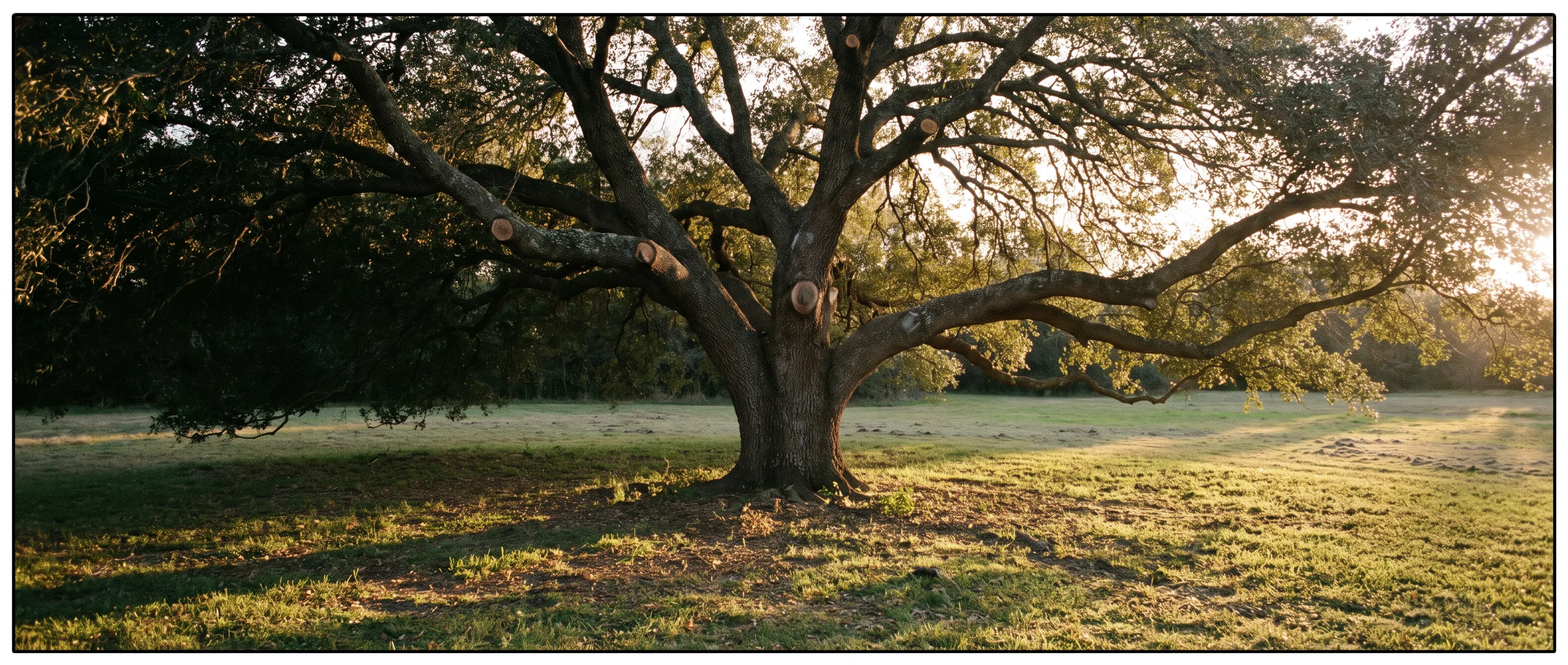

Tree Pruning and Trimming in The Woodlands, TX
Structural and maintenance pruning for mature oaks, pines and ornamentals across The Woodlands, Spring and Conroe — cut to the collar, timed to the species, never topped.
Good tree pruning and trimming removes the right branches, not simply the longest ones. Every cut is made just outside the branch collar so the tree can seal it, no more than a quarter of the live crown comes off in one season, and the work is timed to the species — oaks between July and January to avoid oak wilt, most others in late winter dormancy. Topping is never an acceptable technique on any tree.
What follows is when to prune what, how much a tree can safely lose, what it costs across Montgomery County, and why the cheapest quote on the street is usually the one that shortens your tree's life.
What we build
Which job does your tree actually need?
It depends on the tree's age and what's wrong with it — structural work for young trees, crown cleaning or reduction for mature ones. These are the jobs we're actually called for.
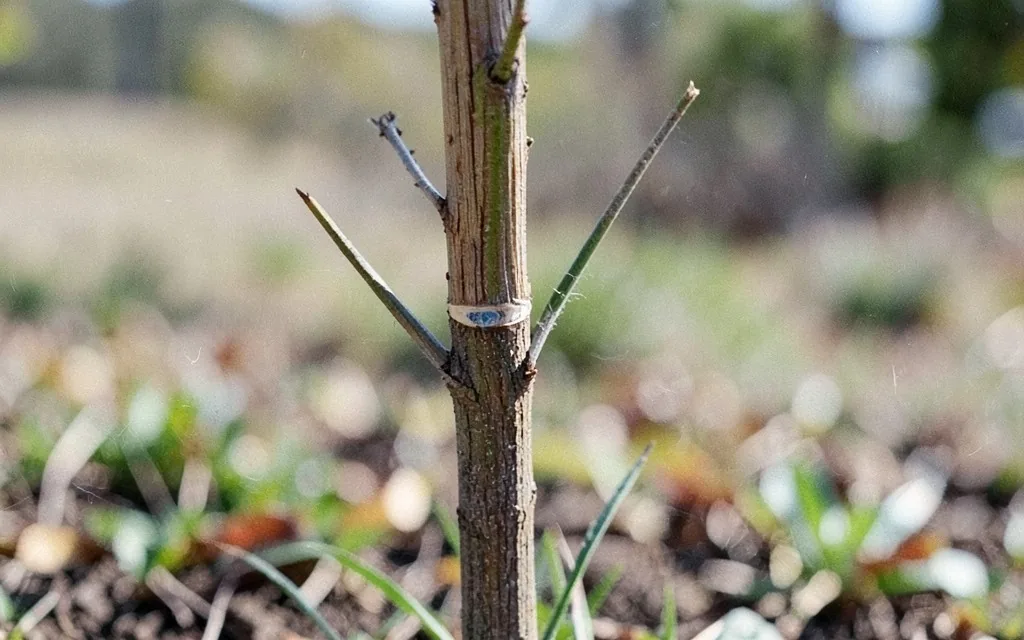
Structural pruning, young trees
Establishing a single dominant leader and well-spaced scaffold branches in the first fifteen years. Ten minutes with hand pruners now prevents the codominant stem that has to be cabled at forty.
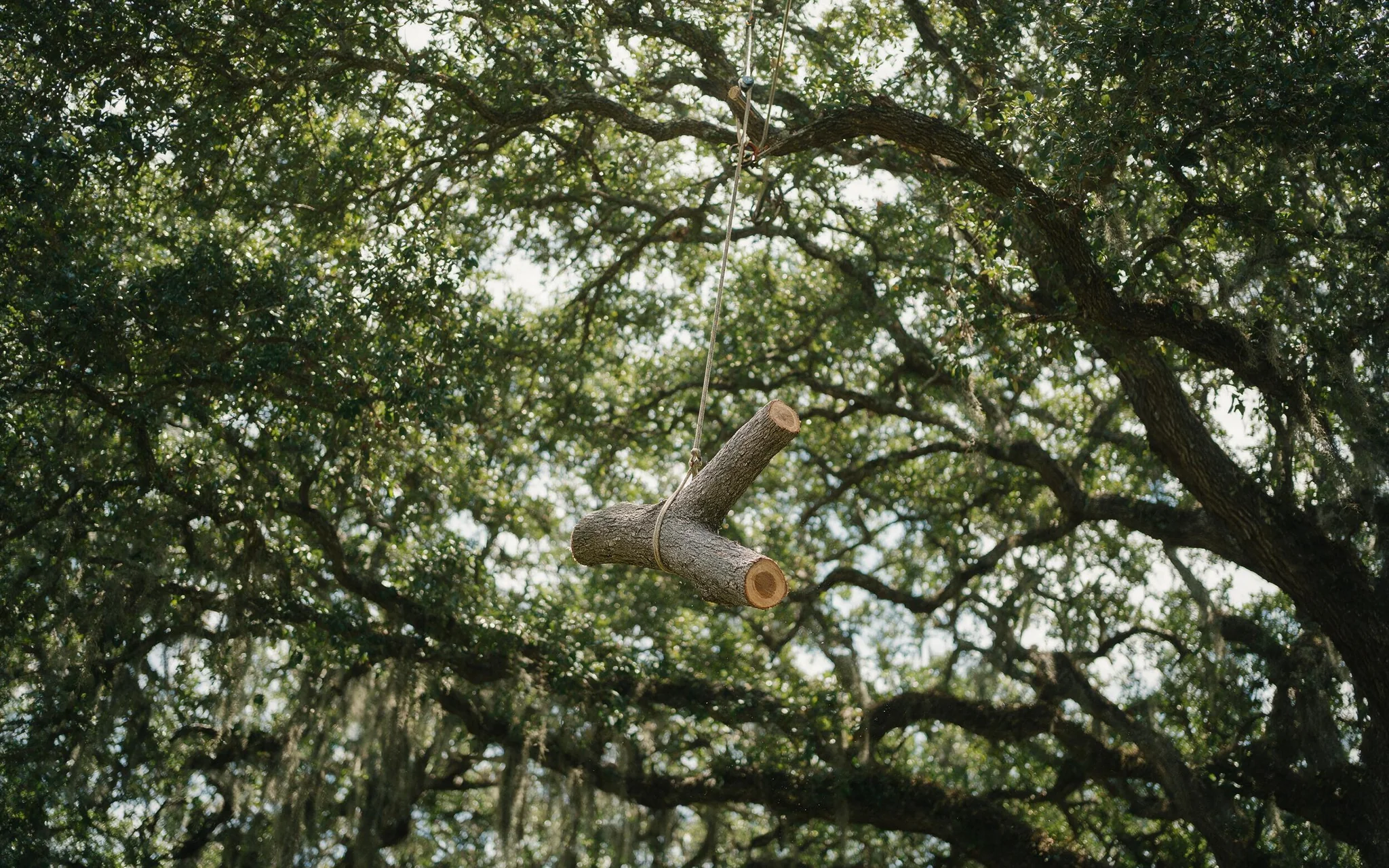
Crown cleaning and deadwooding
Dead, dying, diseased and crossing limbs taken out of the canopy. The most common maintenance job on a mature Montgomery County oak and the one with the clearest safety return.
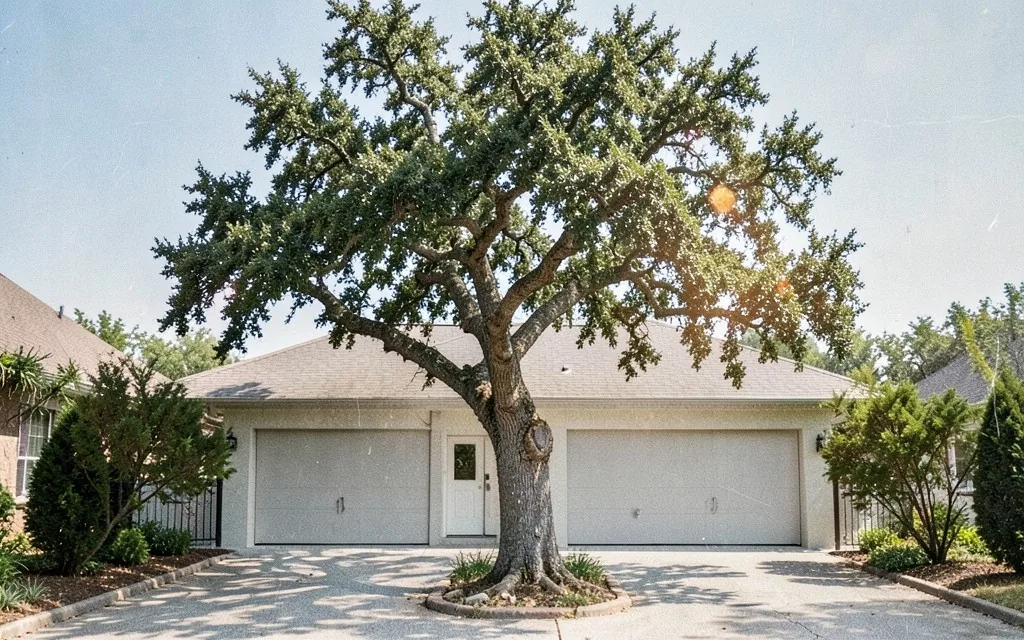
Crown raising for clearance
Lower limbs removed to clear a roofline, a drive or a walkway. Done gradually over seasons rather than all at once, because a tree stripped of its lower crown loses trunk taper and stability.
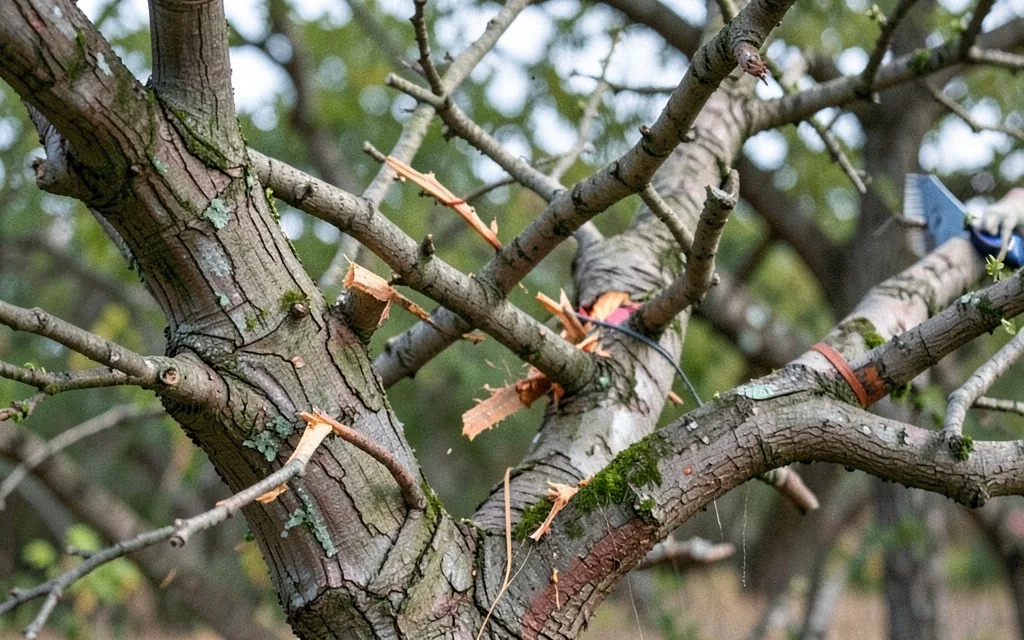
Crown reduction
Overall size reduced by cutting back to lateral branches large enough to assume the terminal role. This is the correct alternative to topping, and it is slower, more skilled work.
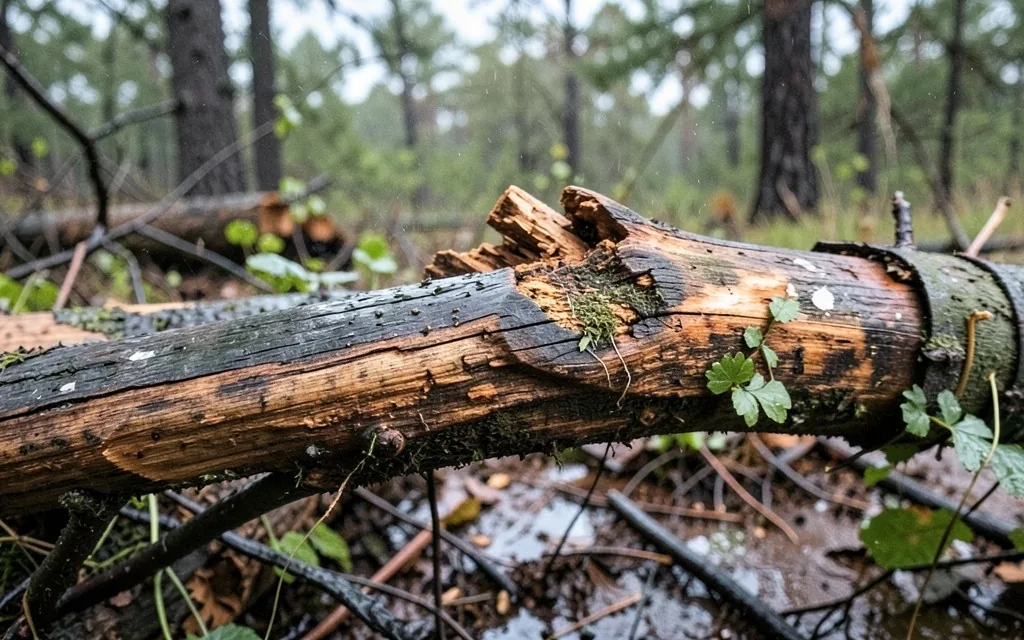
Storm-damage and hazard pruning
Hangers, split limbs and torn tissue cleaned back to sound wood after a Gulf storm. Ragged tears do not seal; clean cuts do.
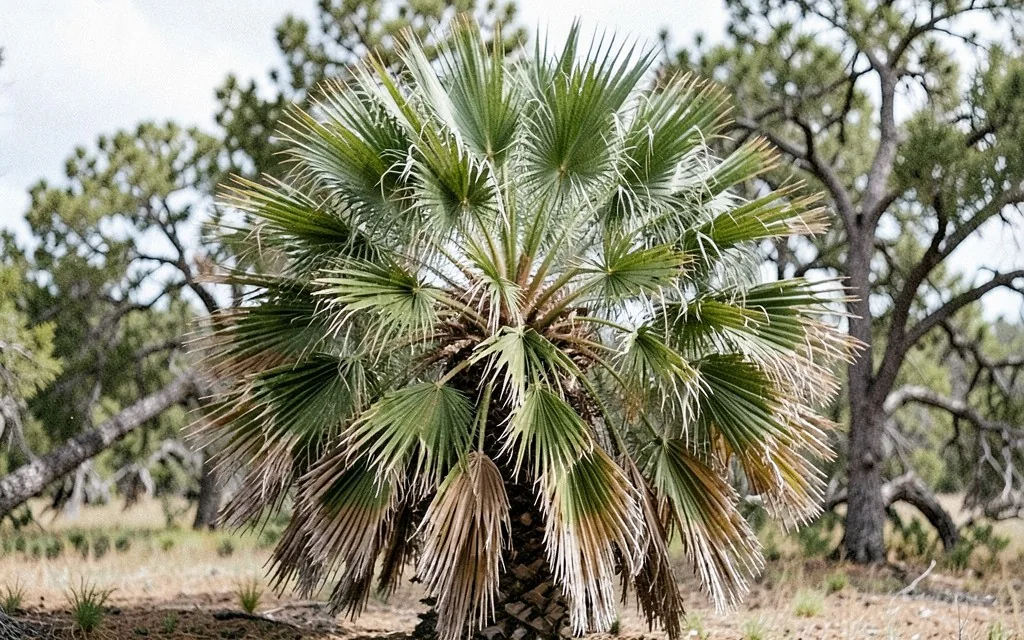
Palm and ornamental trimming
Palms cleaned of genuinely dead fronds only — never hurricane-cut — and ornamentals shaped to their natural habit rather than into a ball.
Local conditions
What goes wrong with the cheap trim?
Four failures we are regularly called to remediate, all of them permanent.
The tree has been topped
CauseLimbs cut mid-branch to reduce height. The tree responds with dense weak regrowth from dormant buds, the stubs decay because there is no collar to seal them, and the new shoots are attached to rotting wood.
FixReduction cuts back to a lateral at least a third the diameter of the removed limb. Where topping has already happened, restoration pruning selects the strongest shoots over several seasons.
Flush cuts and stub cuts
CauseCutting flush to the trunk removes the collar tissue that seals the wound. Leaving a long stub gives the tree nothing to seal at all. Both create a permanent entry for decay.
FixEvery cut placed just outside the branch collar, and large limbs taken in three cuts so the bark does not tear down the trunk as the weight releases.
Oaks pruned in spring
CauseOak wilt is spread by beetles attracted to fresh wounds, and February to June is when they are active. Pruning an oak then is the single highest-risk thing you can do to it in Texas.
FixOak work scheduled July to January. Where a storm forces an emergency cut in the risk window, the wound is sealed immediately — the only situation where wound paint is correct.
Too much removed at once
CauseHalf the canopy taken off in one visit. The tree loses the leaf area it feeds on, responds with stress growth, and sunscald cracks the newly exposed bark on the south and west sides.
FixNo more than 25% of the live crown in a season, less on a mature or stressed tree. Large reductions staged across two or three years.
Specification
When should each species actually be cut?
It varies significantly: oaks between July and January to dodge the wilt vector, most shade trees in late-winter dormancy, spring bloomers right after flowering, and palms whenever a frond is genuinely dead. This is the calendar we work to in zone 9a.
Oaks — July through January
Outside the February–June oak wilt vector window. Live oaks and red oaks in Montgomery County are both susceptible, and red oaks die fast once infected. This is not a preference, it is the rule.
Most shade trees — late winter
Dormant pruning before spring flush gives the clearest view of structure and the fastest wound closure. Elms, maples and sycamores all sit here.
Spring flowering ornamentals — after bloom
Redbuds, dogwoods and the like set next year’s flower buds soon after flowering. Winter pruning removes the display you were waiting for.
Crape myrtles — late winter, and not topped
Thin to the strongest trunks and remove crossing interior growth. Cutting the whole plant back to knuckles is a habit, not a technique, and it produces the weak whippy growth that flops in every rain.
Palms — any time, dead fronds only
Green fronds are the plant’s food supply. Hurricane cuts weaken the crown and narrow the trunk permanently, and the narrowing never grows back.
Pines — dormant season
Loblollies here are pruned mainly for clearance and deadwood. Fresh wounds in warm weather attract bark beetles, so dormant work is safer.
How it runs
What happens between the assessment and the first cut?
The assessment decides which cuts get made, the objective gets agreed, and the calendar gets checked — all before a climber touches a rope. Everything after that is execution.
- 01
Assess the tree
Species, age, condition, structural defects and previous pruning history. A tree topped ten years ago needs a different plan than one never touched.
- 02
Agree the objective
Clearance, deadwood, reduction or structure. Different objectives mean different cuts, and quoting "a trim" without one is how trees get topped.
- 03
Check the window
Oak work scheduled July to January. Where the calendar and the need conflict, we say so rather than working around it quietly.
- 04
Climb and rig
Climbed and rope-rigged rather than spiked. Climbing spikes wound the trunk and are for removals only, never for a tree that is staying.
- 05
Cut to the collar
Every cut just outside the collar; limbs over about three inches taken in three cuts so the bark cannot tear. No wound paint except on an emergency oak cut.
- 06
Clear and walk it
Brush chipped, the ground raked, and a walk round the tree so you can see what came off and why before we leave.
What it costs
What does tree trimming cost in The Woodlands?
Ranges for Montgomery County. Height, proximity to structures and rigging difficulty move the number more than crown width.
Small tree, under 30 feet $150 – $400
Ornamentals, young shade trees, crape myrtles. Usually ground-based or a short climb, completed in a morning.
Medium tree, 30 to 60 feet $300 – $700
The typical mature live oak on a Woodlands lot. Climbed and rigged, most of a day for a full clean and raise.
Large tree, over 60 feet $1,000 – $2,000
Mature pines and heritage oaks, often over a roof or a pool. Rigging complexity and drop-zone constraints drive this, not just height.
Typical tree trimming range $150 – $1,500
Most residential pruning sits here. Multiple trees in one visit reduce the per-tree cost because mobilization is paid once.
Rates reviewed 2026-09-03. Every project is priced in writing after a site visit; these bands are what recent work has landed in, not a quote.
Recent work
Recent pruning work
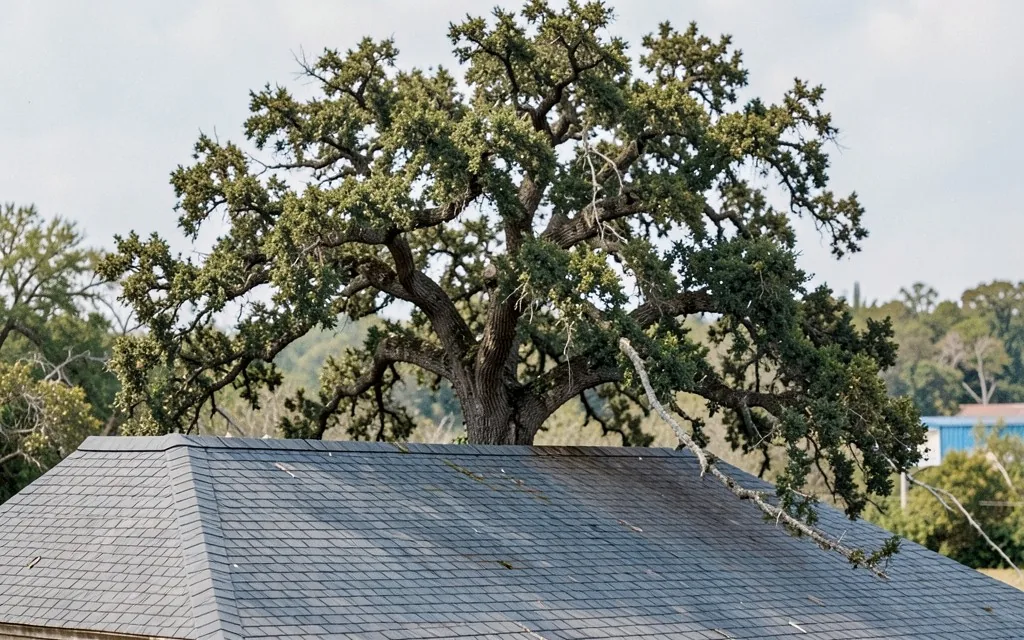
Tree pruning, The Woodlands
Heritage live oak cleaned and raised above a slate roof, 18% of live crown removed, natural form kept.
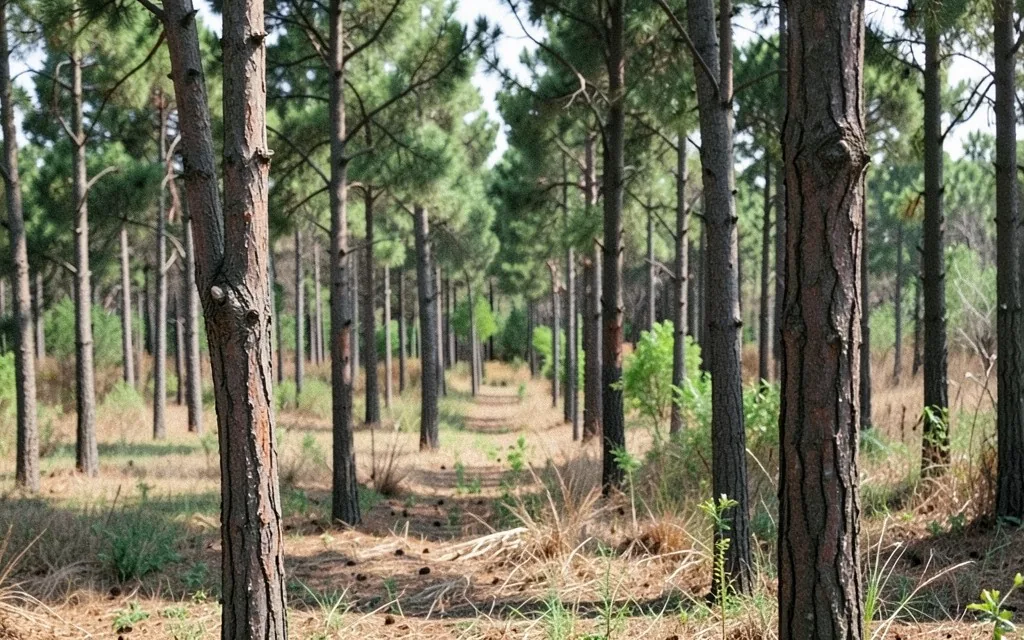
Spring
A row of crape myrtles restored after years of topping — thinned to the strongest trunks over two seasons.
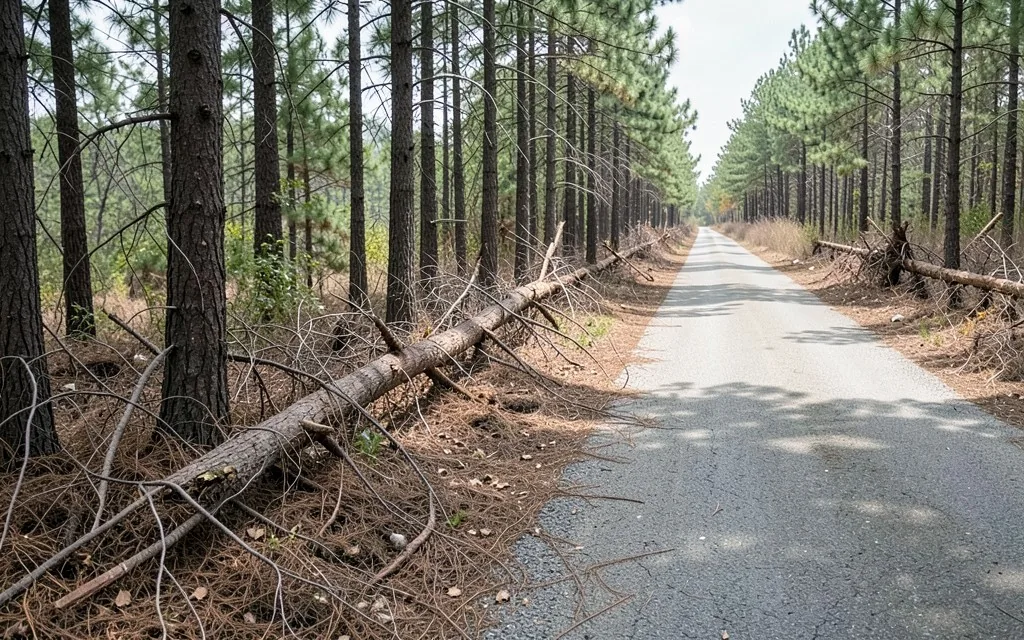
Magnolia
Nine loblolly pines deadwooded and raised for drive clearance, staged across a single dormant season.
Why homeowners choose us
How our pruning differs
- 01
We never top a tree
Not on request, not to save money. Reduction cuts to substantial laterals are the correct technique and the only one we use.
- 02
Oak timing is non-negotiable
July to January in Montgomery County. If you need oak work in April we will explain why we are booking you for July instead.
- 03
A quarter of the crown, maximum
Less on mature or stressed trees. Large reductions are staged across seasons rather than taken in one visit.
- 04
Climbed, not spiked
Spikes wound a trunk permanently and belong on removals only. Trees that are staying get rope and saddle.
- 05
The objective is agreed first
Clearance, deadwood, reduction or structure — named before we quote, so you know what you are buying.
- 06
No unnecessary wound paint
Sealants trap moisture and slow closure. The one exception is an emergency oak cut inside the wilt window, where it is essential.
Questions
Tree pruning — frequently asked
How much does tree trimming cost in The Woodlands?
A small tree under 30 feet runs $150–$400, a medium tree of 30 to 60 feet $300–$700, and a large tree over 60 feet $1,000–$2,000. Most residential pruning falls in a $150–$1,500 range overall. Proximity to a roof, a pool or power lines raises the price more than height alone, because it decides how much of the work has to be rigged and lowered rather than dropped.
When is the best time to prune trees in Texas?
Late winter dormancy for most shade trees — structure is visible and wounds close fast in the spring flush. Oaks are the critical exception: prune them July through January only. Spring-flowering ornamentals like redbuds should be pruned right after they bloom, because they set next year’s buds soon afterwards and winter pruning removes the display.
How much can be pruned at one time?
No more than 25% of the live crown in a single season, and less than that on a mature or already-stressed tree. Leaves are how a tree feeds itself; removing too many forces stress growth and exposes bark that has never seen direct sun to scald. If a tree genuinely needs a large reduction, we stage it across two or three years.
What is the difference between pruning and trimming?
In practice they are used interchangeably, but the useful distinction is intent. Pruning is selective removal for the health and structure of the tree — deadwood, crossing limbs, a competing leader. Trimming usually means shaping or clearance for people: raising a canopy off a drive, pulling growth back from a roof. Good work does both, and both use the same cutting technique.
Should I prune my oak trees?
Yes, but only between July and January. Oak wilt is spread by sap-feeding beetles drawn to fresh wounds, and they are active February through June — the exact window when most people feel like pruning. An infected red oak can die within weeks. If a storm forces an emergency cut inside that window, the wound must be sealed immediately; it is the one case where wound paint is correct.
How often should trees be pruned?
Young trees benefit from structural pruning every two to three years for the first fifteen — it is cheap, quick, and it prevents the defects that cost thousands to manage later. Mature shade trees typically need attention every three to five years for deadwood and clearance. Fast-growing species near a structure may need it more often. A tree that has never been pruned rarely needs it urgently unless there is deadwood over something.
Is topping ever acceptable?
No. Topping cuts limbs mid-branch, leaving stubs the tree cannot seal. Decay enters, and the dense regrowth that follows is attached to rotting wood — so a topped tree becomes more hazardous, not less, within a few years. If height is genuinely the problem, crown reduction back to substantial laterals achieves it properly, and where a tree is simply too large for its position, removal is the honest answer.
Do you use climbing spikes?
Only on removals. Spikes puncture the bark with every step, and on a tree that is staying those wounds are permanent entry points for decay and insects. Pruning is done on rope and saddle, or from a lift where access allows. If someone arrives to prune your live oak wearing spikes, that alone tells you what the rest of the work will be like.
Will pruning make my tree grow faster?
No — pruning always removes energy-producing leaf area, so a pruned tree grows somewhat less overall. What good pruning does is direct that growth: remove a competing leader and the remaining one strengthens; clear crossing limbs and the retained branches get more light. The goal is a better tree, not a bigger one.
Do you handle pruning near power lines?
We prune up to the clearance distances we are permitted to work within, and we do not touch conductors. Anything closer than ten feet to an energized line is utility work by law, and we will tell you to call the utility rather than quoting it. They usually do line clearance at no charge, and we can shape the rest of the tree afterwards so it does not end up looking one-sided.
When is the wrong time to prune an oak in Montgomery County?
February through June. Oak wilt spreads by beetles drawn to fresh wounds, and that window is when they are active. Prune oaks in the coldest part of winter or the heat of midsummer instead, and seal any cut made outside those windows immediately. A storm-damaged limb is the one exception: take it off whenever it happens and paint it.
What is "crape murder" and why do you refuse to do it?
It is the practice of cutting a crape myrtle back to bare knuckles every winter, and it is the single most common piece of bad pruning in Montgomery County. It produces weak, whip-thin regrowth that flops after every rain, thickens the trunk unnaturally at the cut points, and never lets the tree develop the layered canopy and mottled bark that make a mature crape myrtle worth having. We thin to the strongest trunks and shape to the plant's natural habit instead — slower to look "done," and it is the tree you actually wanted.
Do you provide a written assessment before pruning?
Yes, as standard rather than as an add-on. The site visit ends with the objective named — clearance, deadwood, structure or reduction — and the season it should happen in, in writing. On a mature specimen tree that is worth protecting, that written record is also what a future contractor or an arborist review can be checked against, rather than relying on memory of a conversation from a year ago.
Where we work
Do you prune trees outside Montgomery County?
Yes, throughout Montgomery County and into North Houston — The Woodlands, Spring, Conroe, Magnolia, Tomball, Willis and Montgomery. Mature live oaks and loblolly pines dominate here, and both have timing rules worth respecting.
Often specified alongside: tree removal, stump grinding, storm damage response, landscape design, landscape lighting.