
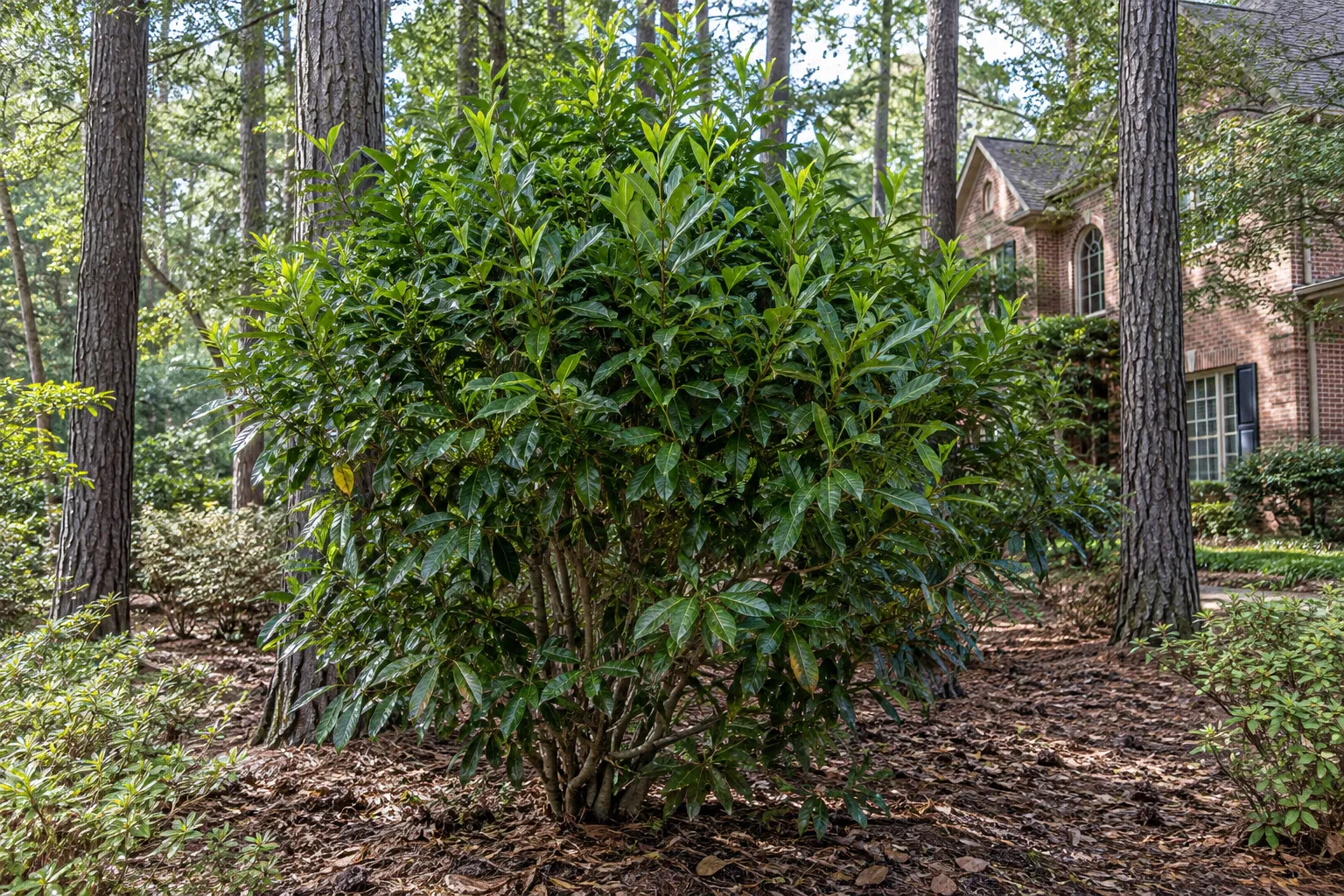
Bay Laurel Care, Planting & Pruning in Conroe & Houston
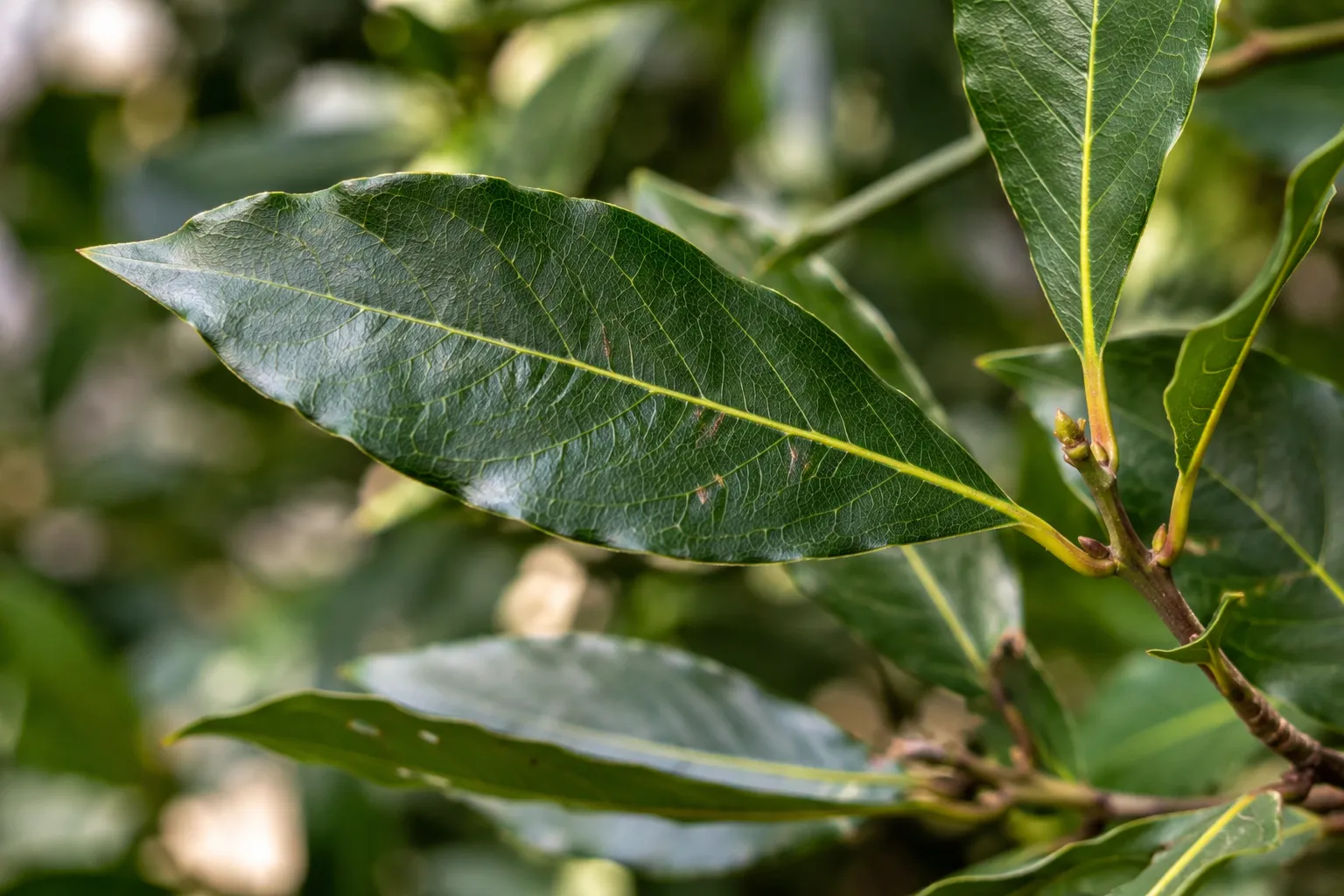
Bay laurel is Laurus nobilis, the aromatic culinary species, not every shrub sold under a laurel common name.
Family-owned since 2010 · Own crews · Licensed & insured · Free written estimates
Bay Laurel planting and care requirements
It can be grown as a specimen, hedge or topiary, including in a suitable container. Identity, eventual form and winter exposure should be settled before a care program is specified.
For bay laurel work in Houston, Conroe, Katy or Spring, send Boone’s the address, a few photos of the area and what you want done. Boone’s is based in Montgomery, TX.
Services
What Boone’s handles for Bay Laurel. Each is priced after we walk the property.
Bay Laurel Planting
Bay laurel planting should use sun or partial shade and well-drained ground or a suitable container. Decide whether the plant is meant to develop naturally or remain clipped. A narrow ornamental position creates a different long-term maintenance requirement from a site that accommodates its eventual crown.
Bay Laurel Nutrition & Fertilization
Bay laurel fertilization should follow actual growth and the growing arrangement. Slow development can be normal for this species and is not sufficient evidence of deficiency. Inspect root moisture, pot condition where relevant and soil information before setting a nutrition schedule intended to force faster topiary growth.
Bay Laurel Transplanting
Bay laurel transplanting should preserve the desired stem framework and inspect the root ball before disturbance. Moving a container-grown specimen into the ground also changes winter-protection options. Confirm the receiving exposure and future access rather than treating a decorative placement change as a purely cosmetic operation.
Bay Laurel Soil Assessment & Soil Replacement
Bay laurel soil should drain effectively, whether in a bed or pot. The species tolerates several soil types, so replacement needs a site-specific justification. Examine compaction, root congestion and outlet function before interpreting poor growth as a demand for a richer planting mix.
Bay Laurel Sourcing
Bay laurel sourcing should verify Laurus nobilis and the actual intended form. Similar common names do not establish culinary identity. Ask about the plant's size, nursery condition and training history before substituting another laurel-looking shrub in a herb garden or formal display.
For a kitchen garden, record both the botanical identity and the supplier's treatment history. An ornamental sales label alone is not evidence that foliage is suitable to harvest immediately after delivery.
Bay Laurel Irrigation Installation
Bay laurel irrigation should distinguish a container's drying pattern from that of an established in-ground shrub. Inspect the root medium rather than applying a shared schedule to both. Keep watering equipment reachable inside a clipped topiary so maintenance does not depend on guessing from leaf appearance.
Bay Laurel Root Drainage
Bay laurel root drainage should be checked where a pot sits inside a decorative outer container or an enclosed bed receives runoff. The source identifies root-rot susceptibility. Ensure excess water can escape before treating a declining plant with fertilizer or repeating the same installation arrangement.
Bay Laurel Aftercare & Maintenance
Bay laurel aftercare should preserve its documented identity and intended shape. Check pot capacity, supports and root moisture as the plant grows. For a movable specimen, maintain a realistic winter-storage plan rather than discovering that the topiary has become too large to shelter when cold arrives.
Bay Laurel Pruning
Bay laurel pruning should match the agreed form: natural specimen, hedge or trained topiary. Keep the permanent stem framework intact and trim the current outline selectively. Repeated clipping is a maintenance commitment, not a requirement for every bay; choose a smaller or movable arrangement where a broad crown will not fit.
Bay Laurel Health Assessment
Bay laurel health assessment should consider scale, psyllids and root problems among the possibilities listed in the species profile. Inspect the affected tissue and root medium before choosing treatment. Do not infer a specific diagnosis from the aromatic foliage or assume culinary identity means the plant cannot develop disease.
Talk to Boone’s about Bay Laurel
Own crews, licensed and insured, working Conroe, Houston and Montgomery County since 2010.
How it works
How a Bay Laurel project starts
- 01
Call or send photos
Call (936) 206-7627 or use the form with the address and a few photos of the area.
- 02
We walk the property
We look at the site, the light, the soil and the access before anything is priced.
- 03
Written estimate
You get a detailed estimate in writing at no cost, and the work is done by our own crews.
Common questions about Bay Laurel
Is every plant called laurel the same as bay laurel?
No. Several unrelated plants share similar common names. Confirm Laurus nobilis botanically rather than relying on an abbreviated nursery label or visual resemblance.
Can bay laurel stay in a decorative pot?
Yes, provided the growing container drains and the location supplies suitable light. Check inside an ornamental cachepot after watering; hidden standing water matters more than whether its outside looks dry. Allow access for repotting rather than fixing the container into masonry.
How should a clipped bay be prepared for cold weather?
A container gives you the option of moving the plant into a sheltered, adequately lit location. Work out that route while the crown and pot are manageable. Do not assume a mature, immovable topiary has the same protection options as a small patio plant.
Can a bay hedge be priced like a natural specimen?
The maintenance scope is different. A clipped hedge or shaped standard needs access for repeated work; an unclipped specimen needs room for its natural development. Agree on the intended outline so installation does not commit you to unplanned long-term trimming.
Related plants and projects
Camellia Japonica
Camellia japonica is a long-lived flowering evergreen whose success depends on the bed as much as the cultivar.
Sasanqua Camellia
Sasanqua camellia offers an autumn-to-winter flower display, distinct from many japonica selections.
Satsuki Azalea
Satsuki azalea is a selection group, so the cultivar must be identified before size and flowering promises are made.
Tree Planting
Tree planting should match the actual tree to a place where it can develop.
Tree Health Assessment
A tree health assessment investigates symptoms before choosing treatment.
Get a free estimate for Bay Laurel
Call (936) 206-7627 or send the address and a few photos through the form. We walk the property and put the price in writing at no cost.