
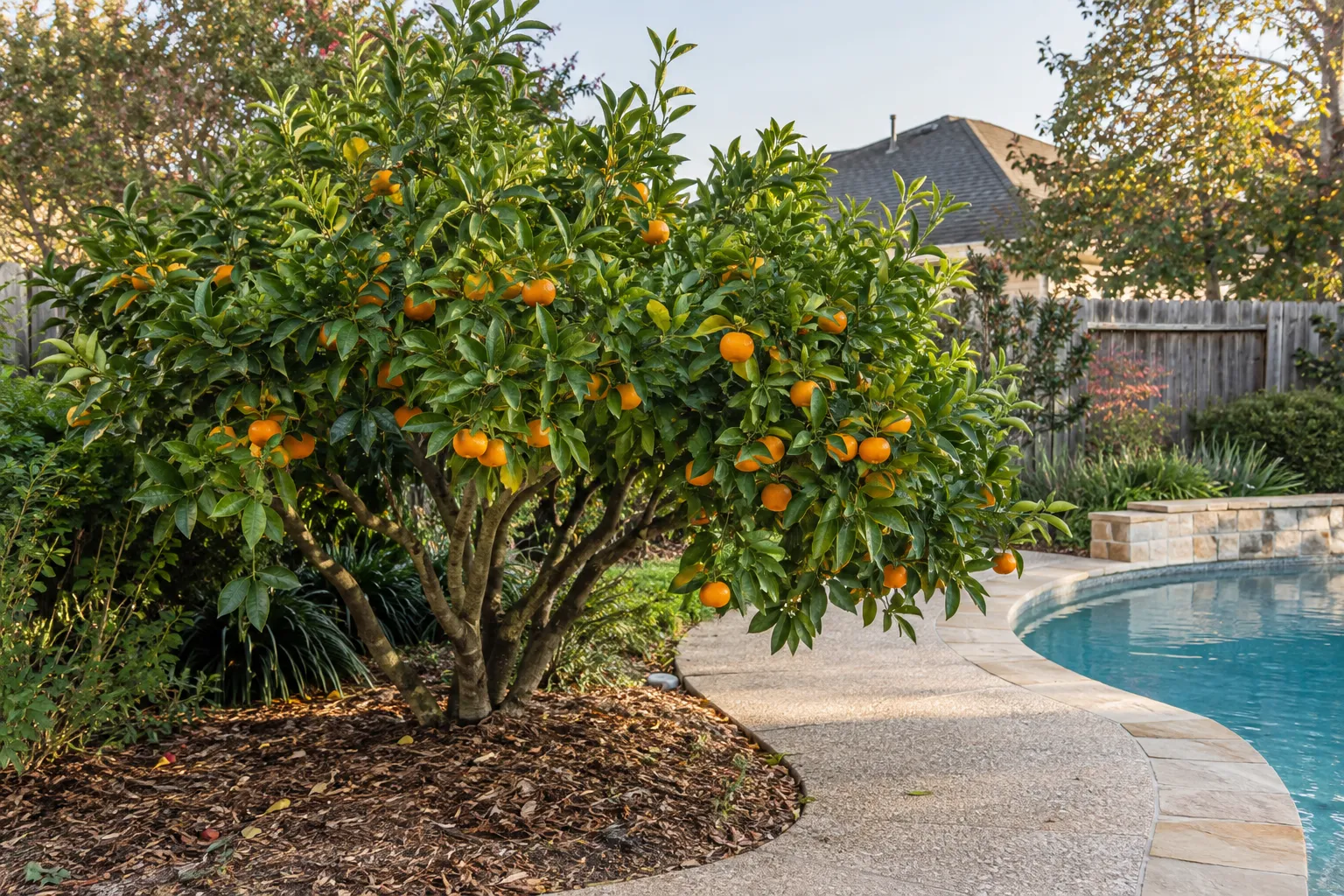
Satsuma Tree Care & Planting in Conroe & Houston
Satsuma is a mandarin citrus choice with useful relative cold hardiness, but cultivar and rootstock still matter.
Family-owned since 2010 · Own crews · Licensed & insured · Free written estimates
Satsuma Citrus planting and care requirements
Fruit timing, mature size and the site's exposure should be discussed together. A label describing a cold-hardy citrus does not guarantee that a newly planted tree or its fruit will escape every freeze.
For satsuma citrus work in Houston, Conroe, Katy or Spring, send Boone’s the address, a few photos of the area and what you want done. Boone’s is based in Montgomery, TX.
Services
What Boone’s handles for Satsuma Citrus. Each is priced after we walk the property.
Satsuma Citrus Planting
Satsuma planting should avoid low positions where cold air settles and consider shelter from wind. The UF/IFAS reference recommends early-spring planting to allow establishment before winter in its regional context. Confirm the local timing and rootstock rather than moving a general calendar unchanged into every property plan.
Satsuma Citrus Nutrition & Fertilization
Satsuma fertilization should follow a citrus-specific assessment and the tree's age and soil conditions. Do not use the fertilizer program for an unrelated ornamental tree. Review current growth, irrigation and crop expectations before feeding; a nutrition treatment is not a substitute for a suitable rootstock or receiving site.
Satsuma Citrus Transplanting
Satsuma transplanting should protect the roots and grafted structure while considering the recovery period before cold weather. Assess the established tree's condition before relocation. A move made to improve fruit access still needs a receiving position with appropriate exposure and dependable establishment care.
Satsuma Citrus Soil Assessment & Soil Replacement
Satsuma soil preparation should examine the receiving root environment and drainage before amendments are specified. The citrus identity and rootstock belong in that assessment. Avoid a universal replacement recipe or deep burial of the grafted tree just to match the level of an ornamental raised bed.
Satsuma Citrus Sourcing
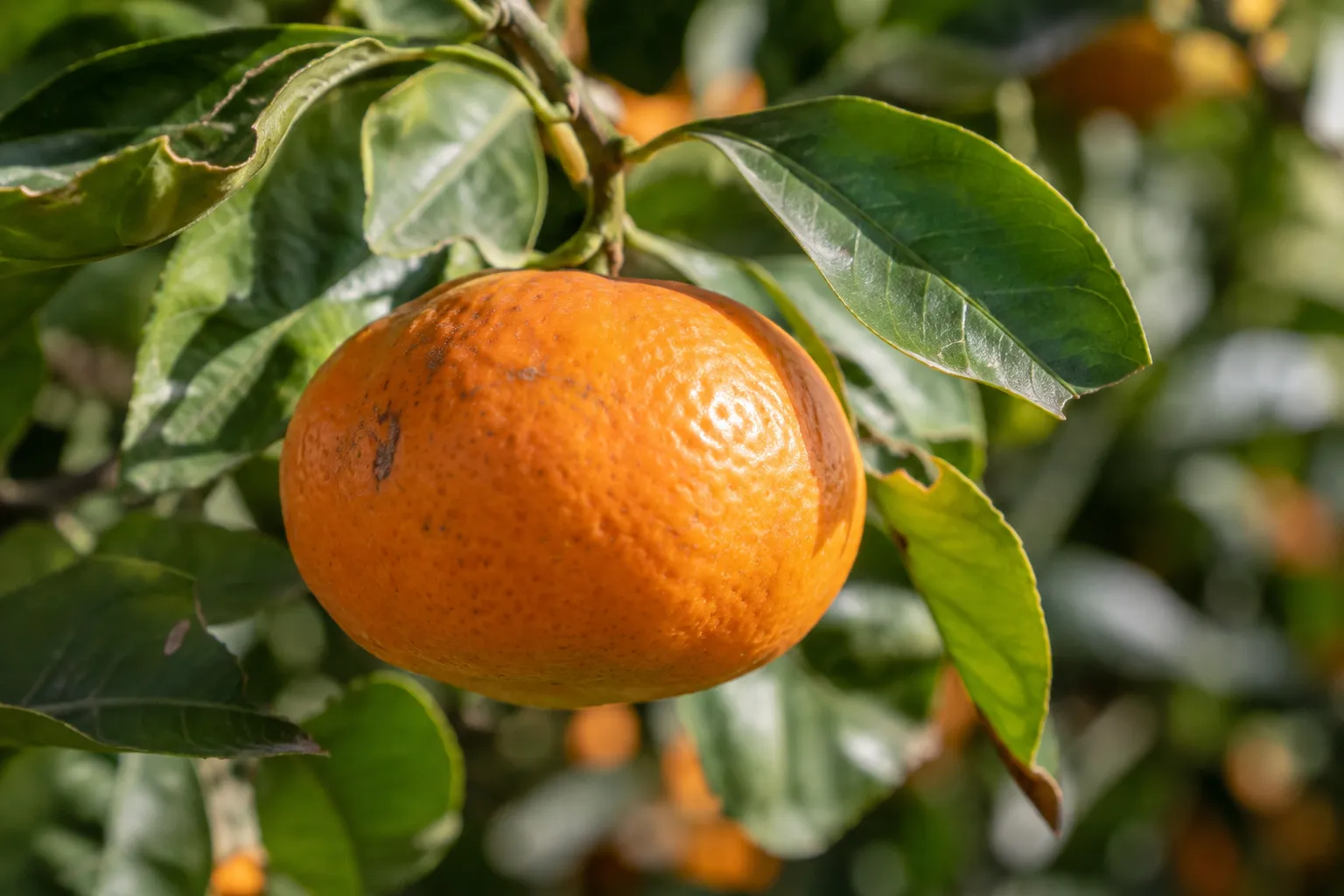
Satsuma sourcing should identify the cultivar and rootstock. Owari and Brown Select differ in fruiting characteristics described by UF/IFAS. Confirm nursery documentation and actual plant condition rather than selecting a tree solely because its label says cold-hardy orange.
Satsuma Citrus Irrigation Installation
Satsuma irrigation should be set for the new tree's root ball and adjusted as roots develop. Check actual moisture during establishment and around fruiting rather than copying the lawn schedule. A container citrus needs separate observation because its medium and root volume differ from an in-ground tree.
Satsuma Citrus Root Drainage
Satsuma root drainage should be reviewed along with cold-air exposure before choosing a low planting area. Inspect where rain and irrigation water accumulate. A location convenient for fruit picking may still need a different grade or a different planting position to provide a workable root environment.
Satsuma Citrus Aftercare & Maintenance
Satsuma aftercare should retain the cultivar and rootstock record, follow new growth and maintain an actionable cold-weather plan. Observe the actual fruiting season rather than expecting every satsuma to match the same harvest date. Check graft-area growth and moisture before deciding whether feeding or pruning is necessary.
Satsuma Citrus Pruning
Satsuma pruning should preserve a useful fruiting framework rather than force a generic ornamental shape. Assess damaged, crossing or unwanted rootstock growth with the graft identified. The cited cold-hardiness overview does not establish a detailed Texas pruning calendar, so timing and extent require an appropriate citrus recommendation.
Satsuma Citrus Freeze Protection
Satsuma freeze protection should account for plant age, rootstock, wind and event duration. Relative hardiness does not make fruit or fresh growth immune. A cover or container shelter must be practical for the actual tree, and the available reference should not be turned into a guaranteed minimum survival temperature.
Assess the timing of cold as well as its severity. A dormant, acclimated tree can respond differently from one still in active growth; avoid promising that a single minimum temperature describes every winter event.
Satsuma Citrus Health Assessment
Satsuma health assessment should inspect the tree and fruit separately, while reviewing moisture, cold events and nursery identity. A poor crop does not by itself diagnose a nutrient deficiency. Obtain an appropriate assessment of abnormal foliage or decline before applying a generic citrus treatment.
Talk to Boone’s about Satsuma Citrus
Own crews, licensed and insured, working Conroe, Houston and Montgomery County since 2010.
How it works
How a Satsuma Citrus project starts
- 01
Call or send photos
Call (936) 206-7627 or use the form with the address and a few photos of the area.
- 02
We walk the property
We look at the site, the light, the soil and the access before anything is priced.
- 03
Written estimate
You get a detailed estimate in writing at no cost, and the work is done by our own crews.
Common questions about Satsuma Citrus
Does cold-hardy satsuma mean that protection is never needed?
No. Cold tolerance is relative and affected by conditions. The plan should account for the actual tree, exposure and protection options rather than relying on one advertised temperature.
Does a cold-hardy satsuma still need a protection plan?
Yes. Cold tolerance depends on acclimation, tree condition and freeze duration. Young trees and exposed positions warrant particular attention. Do not treat a nursery temperature claim as permission to ignore a prolonged cold event.
How does a container change the citrus plan?
It allows movement into suitable shelter, but the roots and watering must be managed as a container system. Choose a pot that drains and can actually be moved along the available route as the tree grows.
What should a satsuma order specify?
Keep the named selection and rootstock information available where supplied, together with the nursery record. These details are more useful than a generic mandarin label when discussing growth, harvest objectives, cold exposure and replacement plants.
Related plants and projects
Camellia Japonica
Camellia japonica is a long-lived flowering evergreen whose success depends on the bed as much as the cultivar.
Sasanqua Camellia
Sasanqua camellia offers an autumn-to-winter flower display, distinct from many japonica selections.
Satsuki Azalea
Satsuki azalea is a selection group, so the cultivar must be identified before size and flowering promises are made.
Tree Planting
Tree planting should match the actual tree to a place where it can develop.
Tree Health Assessment
A tree health assessment investigates symptoms before choosing treatment.
Get a free estimate for Satsuma Citrus
Call (936) 206-7627 or send the address and a few photos through the form. We walk the property and put the price in writing at no cost.