
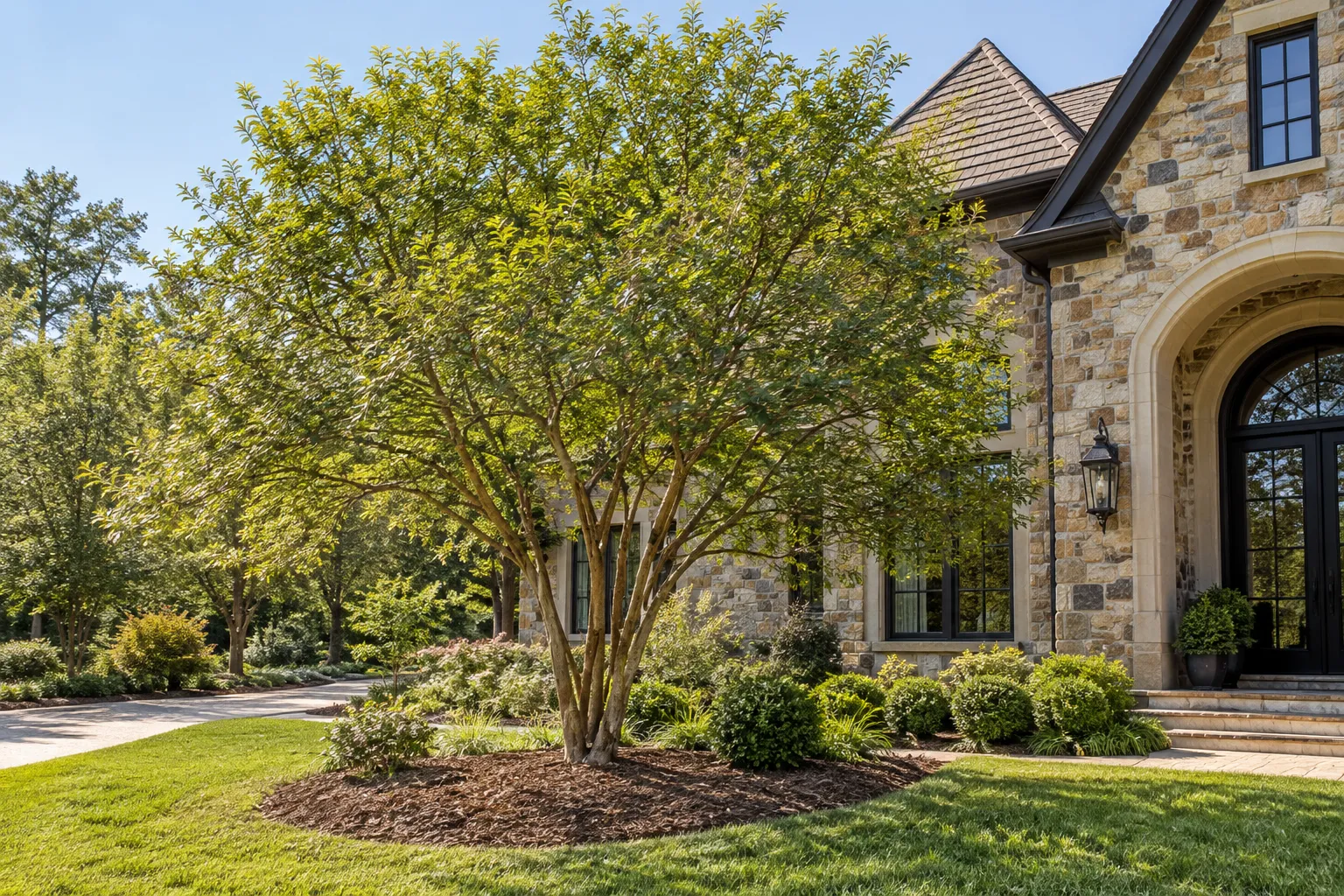
Tree Transplanting & Relocation Services in Conroe & Houston
Tree transplanting starts with whether the tree is a reasonable candidate for relocation.
Family-owned since 2010 · Project-specific scope · Written project estimates
Tree Transplanting & Tree Moving Service requirements
Sentimental or purchase value does not remove biological risk. Species, size, roots, condition and access should be considered together before a move is promised, and retaining the tree in place should remain a genuine option.
For tree transplanting & tree moving service inquiries in Houston and Conroe, send the address, photographs and the work you need. Confirm availability and the site-specific scope with Boone’s before ordering.
Services
What Boone’s handles for tree transplanting. Each is priced after we walk the property.
Tree relocation feasibility assessment
Inspect health, structure and the rooting environment before deciding that relocation is worthwhile. Some trees or sites will be poor candidates. Compare moving with retention and replacement, and explain the uncertainties instead of using available machinery as proof that any specimen can be transplanted successfully.
Explain why this specimen matters and what result justifies disruption. Its form, history or screening role may carry different value to the owner. Compare those priorities with the alternatives rather than discussing the moving price alone.
Species response and root preparation
Identify the species and any preparation already undertaken. Trees differ in their response to disturbance, and general transplanting guidance is not a guarantee for an individual. Have root retention and timing assessed before excavation, rather than selecting a root-ball size solely from the opening available on site.
Separate a feasibility visit from permission to excavate. Explain the purpose and timing of any preparation before setting a moving date. The owner should understand what evidence supports proceeding and what would justify declining the move.
Moving route and receiving location
Measure the entire route, including gates, overhead restrictions and the final planting space. The receiving site must suit the species, not just accommodate the lifted root ball. Resolve soil, drainage and access first so an excavated tree is not left waiting while the destination is improvised.
Photograph constrained route sections and identify surfaces needing protection or temporary removal. Agree restoration responsibilities before mobilizing. The scope must cover reaching the final position, not only lifting the tree from the original one.
Handling and professional responsibilities
Agree who assesses the tree, handles excavation and lifting, and manages establishment. A large move requires suitable equipment and qualified work planning. This page does not provide a lifting recipe or permission to work near services; those details belong in the actual project assessment.
List responsibility for assessment, lifting, transport and replanting, including handovers between specialists. Keep a change-approval contact available if exposed roots differ from expectations. One party performing a stage does not automatically own the entire operation.
Recovery irrigation and monitoring
A moved tree needs an establishment plan based on retained roots and site conditions. Observe the root ball separately from surrounding soil and track canopy changes. Pruning or fertilizer does not guarantee recovery from transplant shock. Ask what changes should prompt another assessment.
Share an observation record between the owner and maintenance provider, including watering adjustments. If decline occurs, a consistent history helps more than several independent changes made without noting their timing or purpose.
Relocation decision and service confirmation
Obtain a written understanding of feasibility, limitations and care responsibilities before committing to the move. The LSU reference provides general transplanting context, not a site-specific prescription.
Specify restoration of the original opening and access surfaces. Also state what happens if assessment rules out relocation. The owner should not inherit an open site or an assumed replacement order after a decision not to move.
Talk to Boone’s about tree transplanting
Discuss the proposed work in Conroe, Houston and Montgomery County with Boone’s.
How it works
How a tree transplanting project starts
- 01
Call or send photos
Call (936) 206-7627 or use the form with the address and a few photos of the area.
- 02
We walk the property
We look at the site, the light, the soil and the access before anything is priced.
- 03
Written estimate
You get a detailed estimate in writing with any assessment charges confirmed, and the work is done by our agreed installation team.
Questions about tree transplanting & tree moving service
Can every established tree be moved successfully?
No. Species response, size, condition, access and recoverable roots all affect feasibility. A mature tree can lose important roots during excavation. Compare the likely outcome with retaining it or planting suitable new stock before treating relocation as the default solution.
Is transplanting the same job as planting a nursery tree?
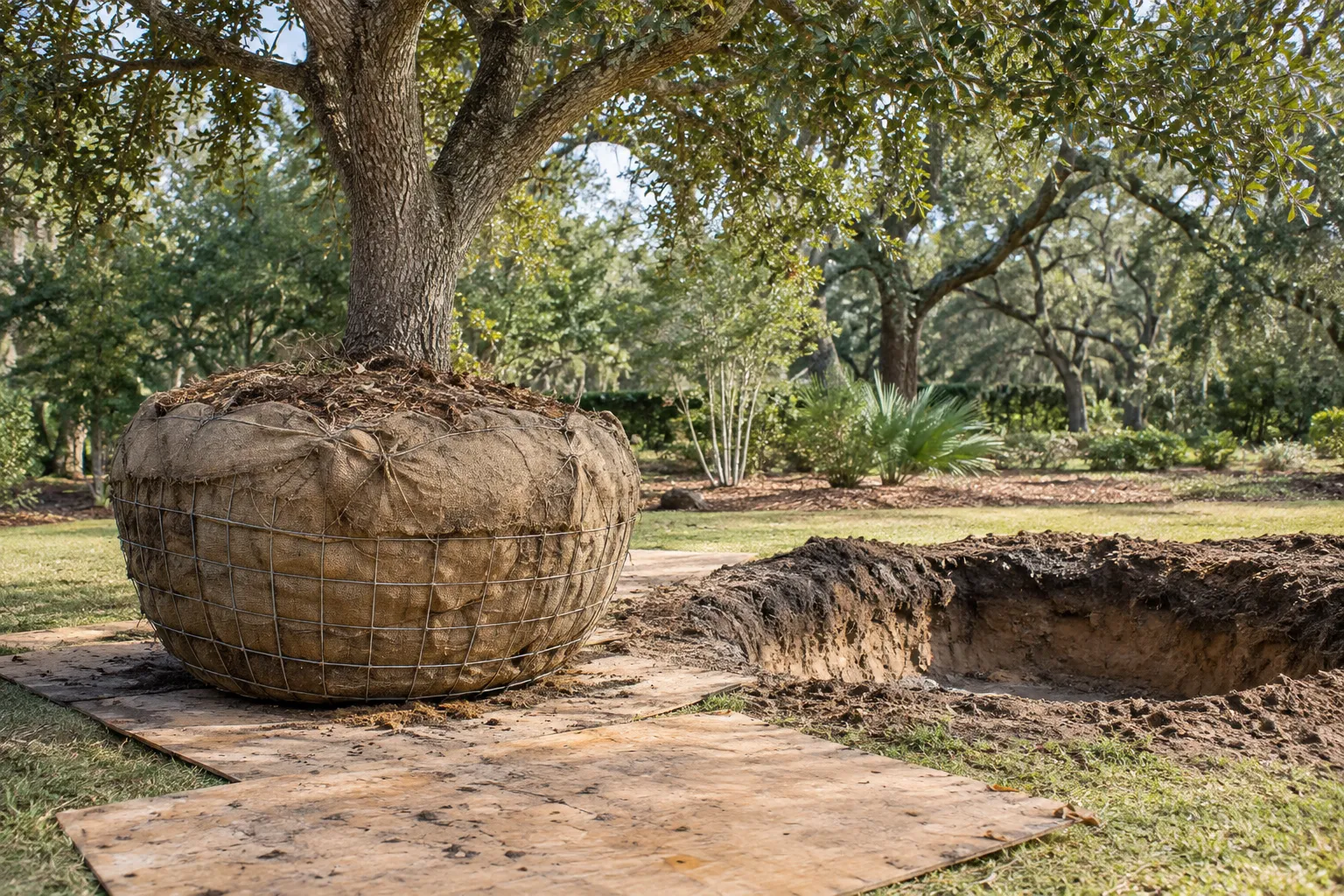
No. Relocation includes assessing and extracting an existing root system and transporting a living crown from its established position. Those steps create different stresses and access needs. A standard planting price does not necessarily cover the work or recovery responsibilities involved.
Should the canopy be heavily reduced to compensate for lost roots?
Do not assume that a large cutback is the answer. The tree still needs foliage, and pruning should be justified by its condition and handling needs. Have the specific tree assessed instead of applying a fixed canopy-removal percentage to every move.
What information is needed before pricing a move?
Provide the species if known, trunk and crown photographs, approximate dimensions, access restrictions and the proposed destination. Include recent decline, construction or root disturbance. An assessment can then distinguish a feasible relocation from a request that should be reconsidered.
Related plants and projects
Tree Planting
Tree planting should match the actual tree to a place where it can develop.
Tree Health Assessment
A tree health assessment investigates symptoms before choosing treatment.
Deep Root Fertilization
Deep root fertilization is an application method to evaluate after a nutritional need has been established.
Estate Landscape Master Planning
An estate landscape master plan should resolve how the whole property works before individual features are ordered.
Large Property Grading
Large-property grading should begin with measured elevations and a clear purpose.
Request an estimate for tree transplanting
Call (936) 206-7627 or send the address and a few photos through the form. We walk the property and put the price in writing with any assessment charges confirmed.