
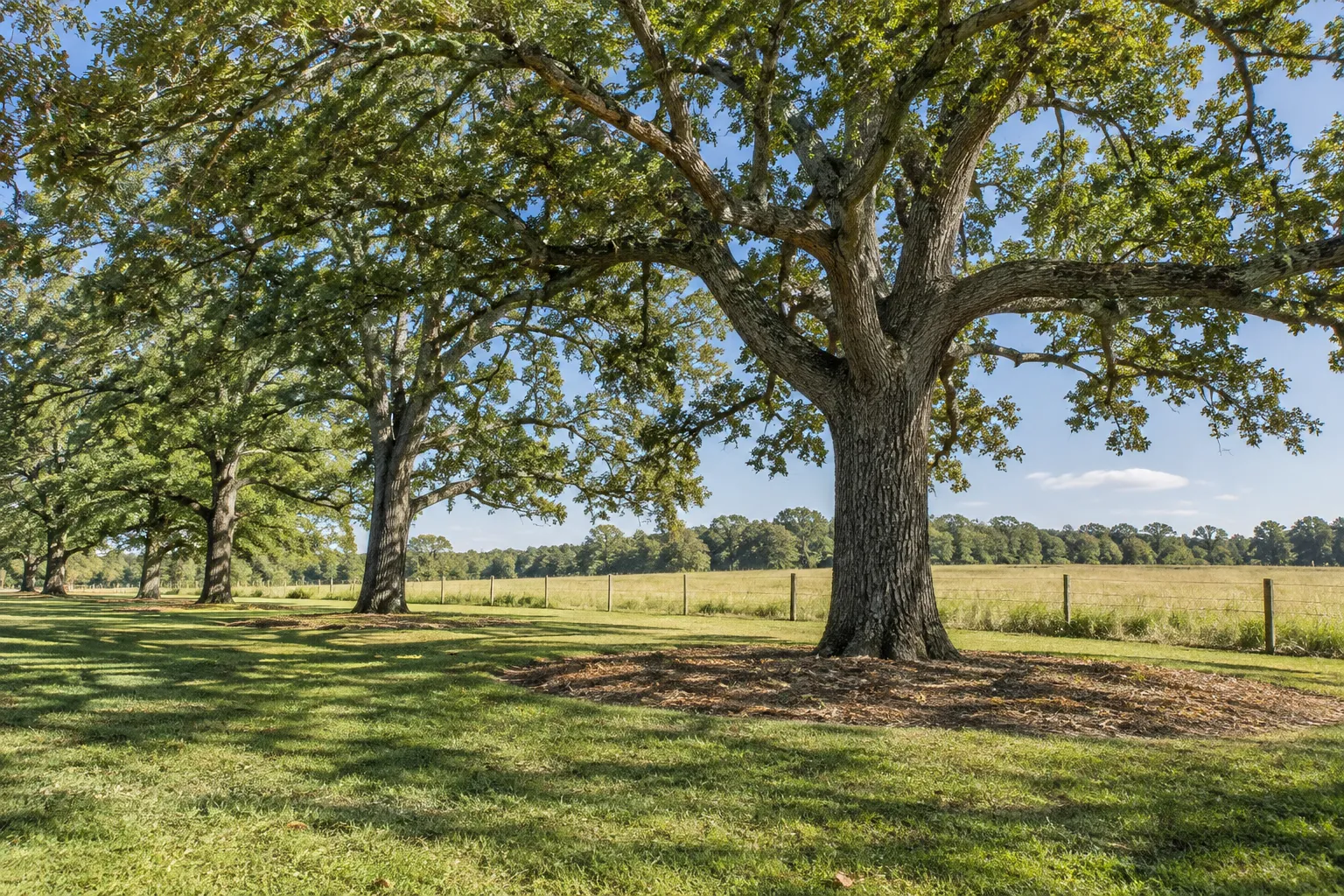
Deep Root & Tree Fertilization in Conroe & Houston
Deep root fertilization is an application method to evaluate after a nutritional need has been established.
Family-owned since 2010 · Own crews · Licensed & insured · Free written estimates
Deep Root Fertilization & Tree Nutrition requirements
It is not a universal cure for declining trees. The useful first question is whether nutrients are limiting growth, or whether damaged roots, drainage, compaction or watering need a different response.
For deep root fertilization & tree nutrition inquiries in Houston and Conroe, send the address, photographs and the work you need. Confirm availability and the site-specific scope with Boone’s before ordering.
Services
What Boone’s handles for deep root fertilization. Each is priced after we walk the property.
Tree nutrition and demonstrated need
Review growth, leaf condition and the tree's recent history before selecting a fertilizer treatment. Healthy established trees may not need supplementation. The University of New Hampshire reference explains the role of soil information, but regional soil assumptions should not be transferred uncritically to a Texas property.
Include records of lawn fertilizer applied beneath the canopy. A tree does not receive nutrients in isolation from the surrounding landscape. An unexplained decline following a care change deserves investigation before another product is added.
Soil information and interpretation
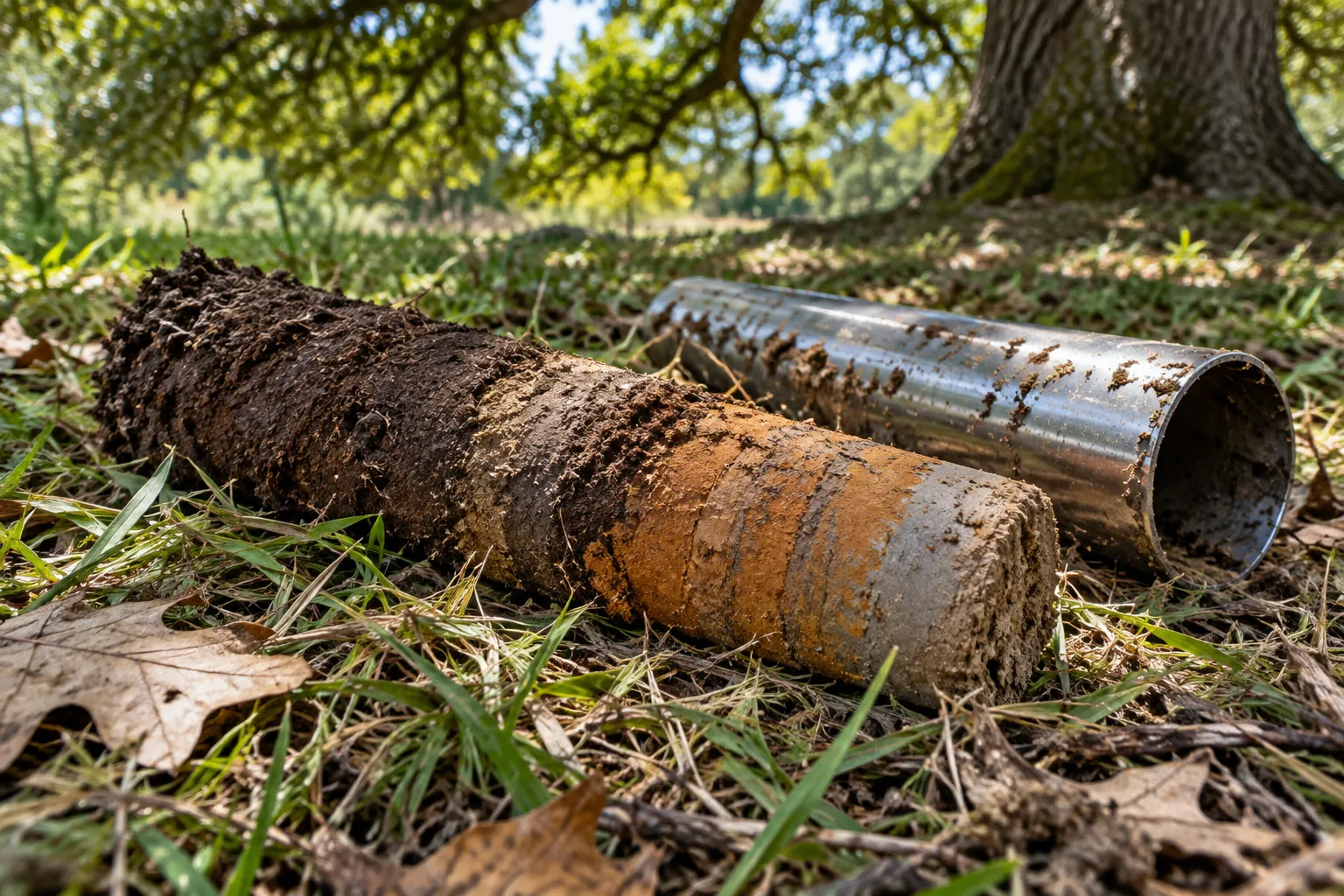
Use appropriate soil testing and a qualified interpretation to support the recommendation. A test is not a complete diagnosis of every growth problem, and visual symptoms can overlap. State which nutrient or condition the proposed treatment addresses rather than offering an unspecified strengthening application.
Keep sampling location and date with the laboratory report. Ask which conclusions that test supports and which it cannot. Results from different parts of the property should not automatically be treated as one uniform root environment.
Root-zone limitations before fertilization
Inspect moisture, compaction, planting depth and recent root injury. Adding nutrients does not remove a waterlogged condition or restore space lost to construction. Where roots cannot function effectively, address the limiting condition before presenting fertilizer as the principal repair.
Map recent trenches, paving and stockpiles in the tree's history. They may explain a change after the surface is restored. Separate root-condition recommendations from nutrient work so one treatment is not presented as resolving both.
Application method and product selection
The chosen method, material and rate should follow a defensible recommendation for the actual tree and site. The word deep does not establish the correct application depth or show that injection is superior to another method. No generic injection spacing, pressure or chemical dose is prescribed here.
Request product identity, the nutrient objective, treated area and the rate's justification in writing. This is an accountability record, not a recipe to copy without confirming the diagnosis and relevant product instructions.
Irrigation, weather and treatment records
Coordinate the proposed feeding with soil moisture and suitable conditions rather than treating it as an isolated calendar visit. Record what was applied and why, so later symptoms can be evaluated against real history. Keep this work separate from routine lawn feeding around the same tree.
Name who follows any watering instructions associated with the treatment. Record interruptions and unusual weather. Later assessment is stronger when it is known whether the agreed conditions occurred rather than attributing every change to fertilizer.
Follow-up and service confirmation
Agree how the response will be assessed without promising instant greening or recovery from every cause of decline. If evidence does not justify fertilizer, the honest recommendation may be not to apply it.
Preserve the comparison used to evaluate response, such as dated photographs or growth observations. If the expected change does not occur, reassess before repeating treatment. Declining an unjustified application is a valid care decision.
Talk to Boone’s about deep root fertilization
Own crews, licensed and insured, working Conroe, Houston and Montgomery County since 2010.
How it works
How a deep root fertilization project starts
- 01
Call or send photos
Call (936) 206-7627 or use the form with the address and a few photos of the area.
- 02
We walk the property
We look at the site, the light, the soil and the access before anything is priced.
- 03
Written estimate
You get a detailed estimate in writing at no cost, and the work is done by our own crews.
Questions about deep root fertilization & tree nutrition
Does deep-root application work better for every tree?
No universal advantage should be assumed from the name. Establish whether nutrients are needed, where the functioning roots are and what application method suits the site. The recommendation should explain the purpose rather than rely on a premium-sounding service label.
Can fertilization correct a waterlogged root zone?
No. Fertilizer does not provide oxygen or create a drainage outlet. Investigate why the soil stays saturated and what the tree can tolerate. Correcting water movement and reassessing root condition may be more important than adding nutrients.
Should a healthy mature tree receive fertilizer every year?
Not automatically. Soil supply, growth, surrounding landscape management and the tree's condition influence the need. A routine date is not enough justification. Ask what evidence supports the proposed application and what change will be monitored afterward.
What should the written treatment recommendation contain?
Identify the reason for treatment, relevant observations or test results, product and method, and the follow-up plan. State any root-zone problem the application will not solve. That makes a nutrition proposal distinguishable from an unsupported promise to rescue a declining tree.
Related plants and projects
Tree Planting
Tree planting should match the actual tree to a place where it can develop.
Tree Transplanting
Tree transplanting starts with whether the tree is a reasonable candidate for relocation.
Tree Health Assessment
A tree health assessment investigates symptoms before choosing treatment.
Estate Landscape Master Planning
An estate landscape master plan should resolve how the whole property works before individual features are ordered.
Large Property Grading
Large-property grading should begin with measured elevations and a clear purpose.
Get a free estimate for deep root fertilization
Call (936) 206-7627 or send the address and a few photos through the form. We walk the property and put the price in writing at no cost.